



Understanding the Current Situation
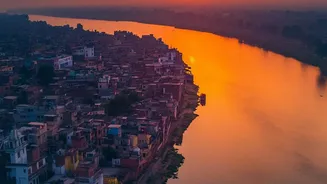
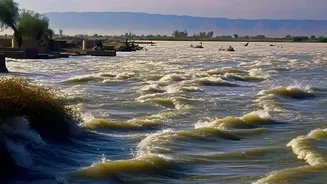
As of early September 2026, the Ganga River in Varanasi has crossed the official warning level. This is a seasonal event driven by heavy monsoon rains, but it has tangible consequences. The water level on September 3rd was recorded at 70.54 meters, just
above the warning mark of 70.26 meters, and it continues to rise. While this is still below the designated danger level of 71.26 meters, authorities are on high alert. The rising Ganga has also caused its tributary, the Varuna River, to swell, leading to flooding in several low-lying residential areas away from the main tourist hubs. Local officials have set up relief camps and are monitoring the situation closely, with National Disaster Response Force (NDRF) teams deployed as a precaution.
How Are Tourist Activities Affected?
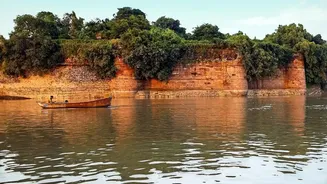
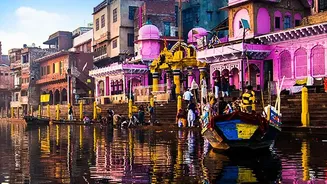
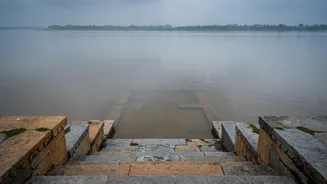
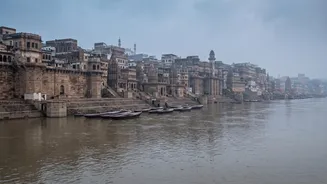
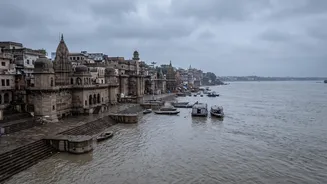
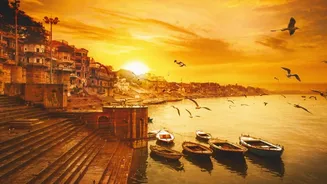
The most immediate impact for visitors is along the riverfront. As a primary safety measure, all boat operations on the Ganga have been suspended by the district administration. This means the iconic sunrise and evening boat tours are not currently available. All 84 of the city's famous ghats—the stone staircases leading to the river—are at least partially submerged. The lower levels of major ghats like Dashashwamedh and Assi are underwater, making traditional ghat walks impossible in many sections. Key religious ceremonies have been adapted; the famous evening Ganga Aarti at Dashashwamedh Ghat, for example, has been moved to higher platforms or nearby rooftops to continue the ritual safely. Similarly, cremations at the sacred Manikarnika Ghat are being conducted on upper platforms or the rooftops of adjacent buildings as the main areas are inundated.
So, Is It Safe to Go?
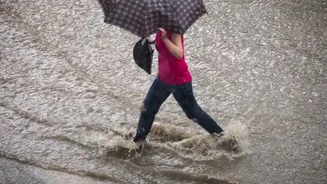
The short answer is: yes, but with significant caveats. The main tourist areas, including most hotels, temples like the Kashi Vishwanath, and the markets in the city proper, are located on higher ground and remain largely unaffected by the flooding. The city is not shut down. However, your experience will be very different from a trip during the dry season. The main safety risks for tourists are confined to the immediate riverfront. Authorities are urging everyone—residents and visitors alike—to stay away from the ghats and avoid areas with strong currents. The narrow lanes of the old city can also become waterlogged and slippery after heavy downpours. A visit now requires flexibility and a willingness to forgo key riverside activities. If your heart is set on a sunrise boat ride and leisurely walks along the ghats, it is better to postpone your trip.
Tips for Traveling to Varanasi Now
If you decide to travel to Varanasi during this period, being prepared is essential. Prioritize booking accommodations in areas away from the immediate riverfront, such as the Assi Ghat area, which has better road access. Pack waterproof footwear with excellent grip, as stone steps and lanes can be extremely slippery with moss and silt. Be prepared for travel disruptions; heavy rains can cause traffic delays. Health precautions are also vital, as the monsoon season sees a spike in mosquito activity; use insect repellent and wear long sleeves, especially in the evening. Most importantly, always follow the guidance of local authorities. Heed warnings about staying away from the ghats and do not attempt to take any unauthorized boat rides, which are extremely dangerous in the strong currents.