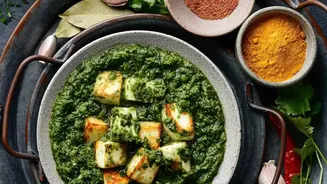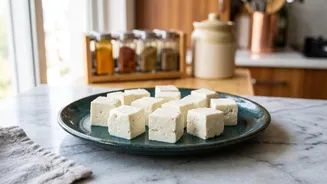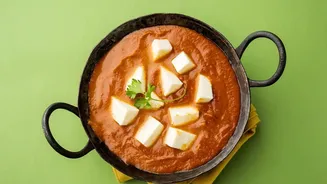



The Rise of the 'Paneer' Imposters
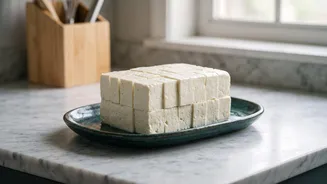
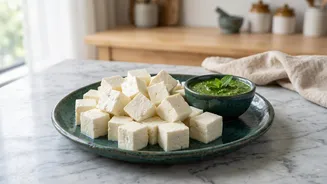
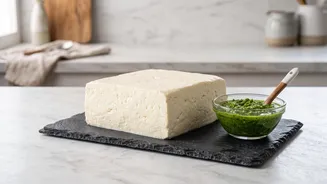
The core of the issue lies with products known as 'dairy analogues'. These look and often feel like paneer but are made differently. Traditional paneer is a simple product made by curdling milk—usually full-fat—with an acid like lemon juice or vinegar.
The resulting milk solids are pressed into a block. Analogue products, however, often substitute milk fat with cheaper ingredients like vegetable oils and palm oil. They may also contain starch, emulsifiers, and milk solids to mimic the texture and appearance of the real thing. The primary motivation for this is cost; replacing milk fat with vegetable fat significantly lowers production expenses. The problem isn't that these analogues exist, but that they are often sold or served under the name 'paneer', misleading consumers who believe they are buying a pure milk product.
Why Real Paneer Is a Different Beast
The difference between authentic paneer and its analogue counterpart goes beyond ingredients—it's about nutrition and quality. Real paneer is a natural source of high-quality dairy protein (casein) and calcium. Its flavour is mild and milky, and its texture is soft yet firm. Analogue products can vary widely. While some may have a reasonable protein content, others that rely heavily on vegetable fat and starch can be nutritionally inferior. They might contain less protein and calcium than you expect and could have higher levels of sodium or unhealthy fats, depending on the formulation. This nutritional gap is significant for vegetarians and anyone relying on paneer as a primary protein source. The cooking properties also differ; analogues can sometimes feel rubbery or oily when heated.
What FSSAI's Proposed Rules Say
To protect consumers, the Food Safety and Standards Authority of India (FSSAI) has stepped in. In September 2026, it introduced the draft Food Safety and Standards (Prohibition and Restrictions on Sales) Amendment Regulations, 2026. The proposal is clear: to restrict the manufacture and sale of analogue products under the name 'paneer'. If the new rules are finalised, any product made with constituents not derived from milk cannot use the word 'paneer' on its packaging, in its marketing, or on restaurant menus. Businesses currently licensed under the 'Analogue in Dairy Context' category would have to discontinue using the term entirely. The goal is straightforward—to ensure that the name on the label accurately reflects the product's composition, allowing you to make an informed choice.
What This Means for Your Grocery Shopping
These proposed regulations are a big win for transparency. Once implemented, you should see clearer and more honest labelling on store shelves. Products made with vegetable fat or other non-milk ingredients will likely be sold under different names, like 'dairy analogue' or a proprietary brand name, but not 'paneer'. This will also apply to restaurants and caterers, who would be required to disclose if they are using a paneer substitute in their dishes. Several states, including Maharashtra and Gujarat, had already started cracking down on the misleading sale of analogues, and this national regulation aims to create a uniform standard across the country. Essentially, if a package says 'paneer', you can be confident it's the real, milk-based deal.
How to Spot the Difference Right Now
While we wait for the new rules to be finalised, you can become a smarter shopper with a few simple checks. First, read the ingredient list. Real paneer has a very short list, starting with milk. If you see 'vegetable oil', 'palm oil', 'starch', or a long list of emulsifiers and stabilisers, it's likely an analogue. Second, check the texture. Authentic paneer is soft and slightly crumbly, while analogues can feel unnaturally smooth, firm, or rubbery. A very low price can also be a red flag, as analogues are often cheaper to produce. Finally, when buying loose paneer where there is no label, don't hesitate to ask the seller if it's made purely from milk. A little bit of awareness can go a long way in ensuring you get the quality you pay for.