




The Expressway Effect: Creating Tourism Corridors
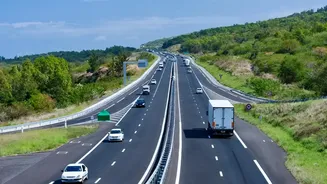
The era of spending entire days on congested highways is slowly fading. A new network of world-class expressways is not just cutting down travel time but also creating integrated 'tourism corridors'. For example, the Delhi-Mumbai Expressway now links
Jaipur's heritage with the wildlife of Ranthambore and Sariska, all in one smooth drive. Similarly, Maharashtra's Samruddhi Mahamarg connects the pilgrimage site of Shirdi with the historical wonders of the Ajanta and Ellora caves. In Uttar Pradesh, the Bundelkhand Expressway has brought destinations like Khajuraho, Orchha, and Chitrakoot into a single, accessible circuit. These corridors make multi-destination road trips more practical and appealing, allowing travellers to combine wildlife, heritage, and spiritual journeys without the logistical headaches of the past.
Riding the Rails to New Adventures
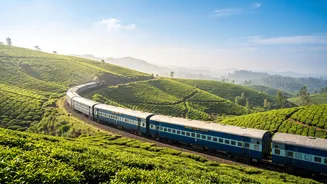
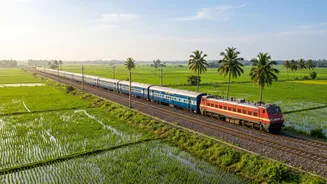
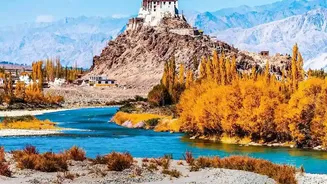
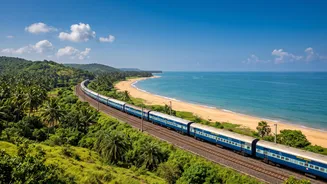
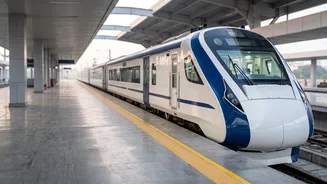
Indian Railways is playing a pivotal role in this travel revolution, led by the expanding Vande Bharat Express network. By August 2026, the network had grown to 82 operational routes, significantly improving access to key pilgrimage and leisure destinations. Cities like Varanasi, Ayodhya, Tirupati, and Khajuraho are now more accessible via these semi-high-speed trains. The impact is especially noticeable for destinations that were previously hard to reach, with new services boosting connectivity to Kashmir and the Northeast. Beyond Vande Bharat, Indian Railways is also enhancing the travel experience with dedicated tourist circuits, luxury heritage journeys, and coaches with panoramic views, adding a new dimension to train travel. Proposed new connections, like a Vande Bharat service linking Bengaluru to Goa via coastal Karnataka, promise to open up even more travel possibilities.
Taking Flight to Underserved Frontiers
Air travel is no longer limited to major metro cities. The government's UDAN (Ude Desh ka Aam Naagrik) scheme is transforming regional air connectivity, making smaller towns and remote tourist spots accessible by flight. As of mid-2026, the scheme has operationalised hundreds of routes connecting nearly 100 airports, many of which were previously unserved or underserved. This means destinations that once required long, multi-day journeys by road and rail are now just a short flight away. For instance, reaching Sikkim became dramatically easier with flights to Pakyong airport, cutting a 6-8 hour road journey down to a one-hour flight from Kolkata. The next phase of the scheme aims to add 120 new destinations, including plans for seaplanes and helicopters to boost connectivity to islands, riverine areas, and mountain regions.
The Last Mile: Ropeways and Coastal Roads
Solving the challenge of last-mile connectivity, especially in hilly and religious sites, is the final piece of the puzzle. The Parvatmala Pariyojana programme is set to develop over 250 ropeway projects across the country. These projects will drastically reduce travel time to high-footfall destinations. For example, the proposed Kedarnath ropeway is expected to cut the arduous 8-9 hour journey to just 36 minutes. In Varanasi, the Kashi ropeway, which has already begun trial runs, aims to ease congestion by connecting the railway station to the high-footfall Kashi Vishwanath corridor. Along the coast, projects like the Mumbai Coastal Road and the planned 1,400-km oceanfront expressway from Gujarat to Kanyakumari will not only ease traffic but also boost tourism by providing seamless access to beaches, resorts, and coastal towns.