


That 'Healthy' Iron Boost Is Overstated
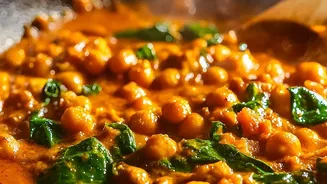
Let’s get this out of the way: yes, cooking in cast iron can transfer some iron to your food. The amount increases with acidic foods, like tomato sauce, and longer cooking times. However, it’s non-heme iron, the same type found in plants, which our bodies
absorb less efficiently than the heme iron from meat. While some studies show an increase in food's iron content, others conclude it’s not a reliable or significant way to treat iron deficiency anemia. Relying on your skillet for your daily iron is like expecting a walk in the rain to solve a drought. The amount is generally too small and variable to be medically significant for most people. The health hype isn't just an exaggeration; it's a distraction from the real reasons to love these pans.
The Real Reasons to Own Cast Iron
If not for a questionable health kick, then why bother? Because cast iron is a performance powerhouse. Its main advantage is superior heat retention. Due to its density, a cast iron pan absorbs a lot of heat and holds it, providing an exceptionally stable and even cooking surface. This is what gives you a perfect, deeply browned crust on a steak, crispy skin on chicken, and a beautiful bake on cornbread. Unlike thinner pans that can have hot spots, cast iron delivers consistent heat, which is why chefs value it for everything from searing to slow-cooking. It’s also incredibly durable and versatile, capable of moving from the stovetop to the oven or even over a campfire. With proper care, a single pan can last for generations, becoming a true kitchen heirloom.
The Truth About 'Seasoning'
The word “seasoning” is the biggest source of intimidation for new users, but the concept is simple. Seasoning is not about flavor; it's a layer of polymerized oil that has bonded to the pan, creating a natural, non-stick surface. Most new pans come pre-seasoned, but the real magic happens over time with regular use. Every time you cook with fat or oil, you are adding to and strengthening that seasoning. This is why the best way to maintain your pan is simply to cook in it often. If you ever need to re-season from scratch—say, after restoring a rusty pan—the process involves applying a very thin coat of oil and baking it at a high temperature. The goal is a hard, slick surface, not a sticky, oily one.
Debunking the Cleaning Myths
The internet is full of rigid, often conflicting rules about cleaning cast iron. The most persistent myth is that you can never use soap. This stems from a time when soap contained harsh chemicals like lye that could strip seasoning. Modern dish soap is much milder and is perfectly safe for occasional use on a well-seasoned pan; just rinse well afterward. More effective for stubborn, stuck-on food is scrubbing with coarse salt and a little oil while the pan is still warm. The one non-negotiable rule is to never let it soak in water or put it in a dishwasher. Moisture is the true enemy of cast iron, as it leads to rust. Always dry your pan thoroughly immediately after washing—a quick trip back on a warm burner does the trick—and wipe a thin layer of cooking oil inside before storing.
The Practical Downsides
No cookware is perfect, and it’s important to acknowledge cast iron’s genuine demands. First, it is heavy. Its density, the very thing that gives it great heat retention, also makes it cumbersome to lift and handle. Second, the handles are also cast iron, meaning they get just as hot as the rest of the pan and require a potholder or towel. Finally, they require consistent care. You can't just leave it in the sink overnight. Neglect leads to rust, and while rust is almost always fixable, it requires effort. These aren't reasons to avoid cast iron, but they are practical realities to accept. It's a tool that rewards mindful use, not carelessness.