





The Tale of Two Cinnamons
First, it's important to know that most of what we call cinnamon falls into two main categories: Ceylon and Cassia. Ceylon (Cinnamomum verum) is often called “true cinnamon” and hails primarily from Sri Lanka and Southern India. It is more expensive and prized
for its delicate, nuanced flavour. Cassia, on the other hand, comes from related trees and is primarily grown in China, Indonesia, and Vietnam. It's the robust, spicy, and more common variety you’ll find in most supermarkets, largely because it's cheaper to produce. While both are legally sold as cinnamon, they are quite different, and those differences become obvious when you see them in their whole stick form.
Clue 1: The Visual Test
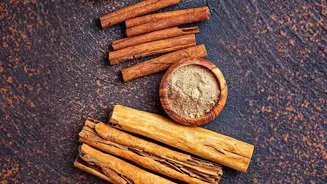
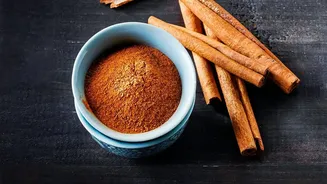
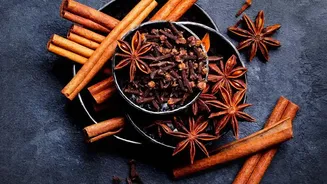
The most immediate clue a whole stick offers is its appearance. Ceylon cinnamon sticks are light tan, fragile, and composed of many thin, paper-like layers of bark rolled together into a tight quill that looks like a cigar. These layers are soft and crumble easily. Cassia sticks are a different story. They are typically a darker, reddish-brown colour and consist of a single, thick layer of bark that curls inward from both sides. They are much harder, woodier, and have a hollow tube in the middle. You simply cannot mistake one for the other when they are laid side-by-side.
Clue 2: Flavour and Aroma
Crush a piece of each stick and you’ll find the next clue. Ceylon cinnamon has a complex, sweet, and almost floral aroma with citrusy notes. Its flavour is subtle and designed to complement other ingredients rather than dominate them, making it perfect for delicate desserts and drinks. Cassia delivers a powerful, spicy punch. That strong, familiar “cinnamon” scent is largely due to a higher concentration of the essential oil cinnamaldehyde. This bold flavour is what makes Cassia a favourite for rich baked goods and robust savoury dishes in many cuisines. In Indian cooking, while Cassia is common in garam masala and curries, Ceylon is often preferred for desserts.
Why Ground Cinnamon Hides the Truth
Once these distinct sticks are ground into a fine powder, telling them apart becomes nearly impossible by sight alone. Because Cassia is significantly cheaper, the vast majority of generic ground cinnamon sold in stores is Cassia, or a blend dominated by it. Some studies have found that most, if not all, commercial ground cinnamon samples were identified as Cassia. Without specific labelling that identifies the product as “Ceylon” or “Cinnamomum verum,” you are most likely buying Cassia. Buying whole sticks gives you the power to see exactly what you’re getting before you commit to grinding and using it.
The Health Angle: A Matter of Coumarin
Beyond appearance and taste, there's another important reason to know your cinnamon: a compound called coumarin. Coumarin is a natural flavouring substance that, in high doses, has been linked to potential liver issues in a small number of sensitive individuals. Cassia cinnamon contains significantly higher levels of coumarin—sometimes up to 250 times more than Ceylon. On average, Cassia powder can contain about 1% coumarin, whereas Ceylon cinnamon contains only trace amounts, around 0.004%. For those who consume large amounts of cinnamon regularly, either in their food or as a supplement, choosing Ceylon can be a safer option.