
Build on a Solid Base
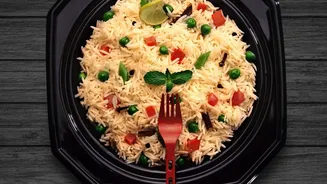
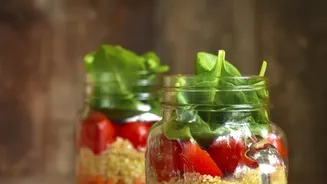
The foundation of any packed meal is crucial. While freshly cooked white rice is a staple, it can sometimes become dry or clump together when cold. Instead, consider grains that hold their texture and flavour better over time. Millets, such as foxtail
or barnyard millet, are excellent choices. They remain fluffy and separate, absorbing dressings without turning to mush. Quinoa and couscous are also fantastic options; they are light, cook quickly, and pair well with a variety of flavours. For something more substantial, pasta salads made with durum wheat pasta hold up well. The key is to slightly undercook your base so it can absorb moisture from other ingredients without becoming overly soft.
Pick Hardworking Proteins
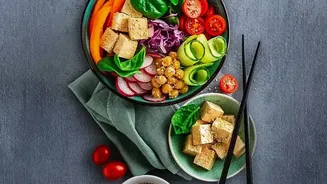
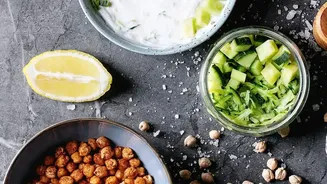
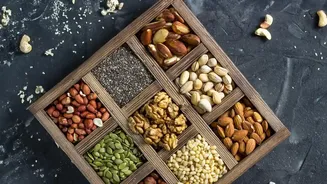
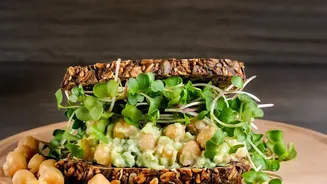
Protein is essential for a satisfying meal, but not all sources travel equally well. Soft paneer can spoil in warmer temperatures, and some meats can become tough. Plant-based proteins are often the most reliable. Chickpeas and other legumes like kidney beans or black beans are champions of the tiffin box. They are delicious in salads, curries, or simply marinated. Lentil salads are another great option that often taste better as they sit. Hard-boiled eggs are a simple, nutrient-dense choice that are easy to peel and eat on the go. If you are packing meat, choose cooked and chilled options like shredded chicken, and ensure they are stored in an insulated container to be safe.
Choose Resilient Vegetables
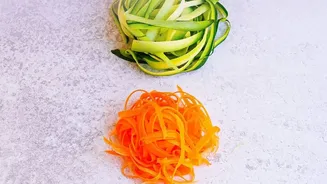
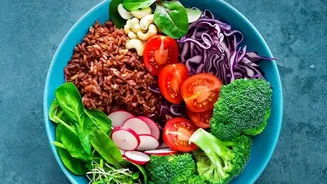
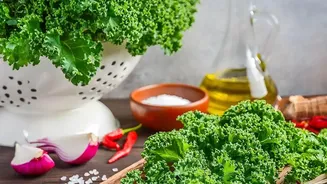
The right vegetables add crunch, colour, and nutrients to your meal, but the wrong ones can wilt and turn everything into a watery mess. Avoid delicate greens and high-water-content vegetables like cucumber in mixed salads unless you pack them separately. Instead, opt for hardy, crunchy vegetables. Carrots, bell peppers (capsicum), and cherry tomatoes are reliable choices that stay firm and fresh. Raw or lightly steamed broccoli and cauliflower florets also travel well. For salads, sturdy greens like kale or shredded cabbage are perfect as they can be dressed ahead of time without losing their texture. In fact, a little time with the dressing can help soften them to the perfect consistency.
Select Fruits That Last
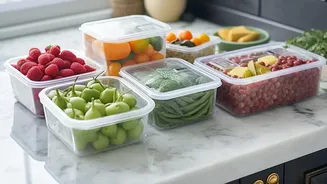
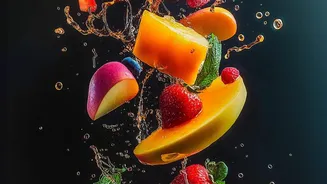
A sweet treat of fruit is a perfect end to a meal, but no one wants to eat a brown, bruised apple. Whole fruits are generally the best for travel. Apples, oranges, and bananas (if protected from bruising) are classic go-to's. For cut fruit, some choices are better than others. Berries can become crushed easily, but grapes and melon chunks hold their shape well. To prevent apple or pear slices from browning, a quick toss in a little lemon juice works wonders. Pomegranate seeds are another fantastic, jewel-like addition that adds a burst of flavour and stays fresh.
Handle Dressings and Sauces Smartly
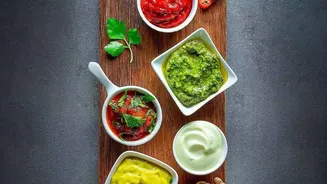
Sauces and dressings are often the culprits behind soggy meals. The number one rule is to pack them separately whenever possible. Small, leak-proof condiment containers are a worthwhile investment for any lunch-packer. This allows you to dress your salad or pour sauce over your grains just before eating, ensuring everything stays crisp and fresh. When separate packing isn't an option, choose thicker dressings or pastes that are less likely to make everything wet. A thick hummus, a pesto, or a nut butter-based sauce will coat your ingredients rather than soaking them, preserving the texture of your meal for hours.