


The End of 'Tick-Box' Tourism
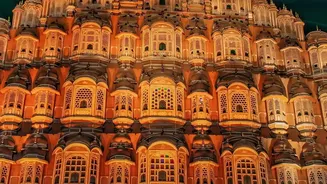
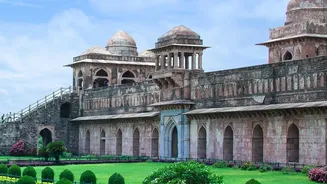
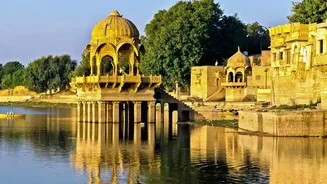
For years, the measure of a successful trip was a long checklist of 'must-see' spots dutifully visited. The goal was to cover as much ground as possible, from squeezing three Rajasthani cities into a long weekend to hopping between multiple countries
in a week. This 'tick-box' approach often resulted in travellers returning home more exhausted than when they left. Reports now show a clear decline in this style of travel. According to a 2025 travel index by Thrillophilia, multi-city tours with four or more stops fell by 24 per cent year-on-year, while itineraries with over-packed schedules saw a 17 per cent decline. People are no longer asking how many places they can cover, but how meaningful the experience will be.
What's Driving the Shift to Slow Travel?
Several factors are fuelling this evolution. A major driver is a generational change led by Millennials and Gen Z. This demographic, which accounts for over 60% of experiential travel bookings, prioritises personal growth and authentic connections over simply collecting passport stamps. An Airbnb report noted that two-thirds of young travellers now take trips simply to rest and do nothing. The post-pandemic mindset has also played a crucial role, with a heightened focus on wellness, avoiding crowds, and finding peace of mind. Furthermore, rising disposable incomes and the ease of digital booking have empowered travellers to be more independent, with 93% of young Indians now making their own travel decisions.
The New Holiday: Immersive and Intentional
So, what does this new, relaxed travel look like? It means choosing depth over breadth. Instead of a whirlwind tour, travellers are opting for single-base trips with local excursions, a category that saw a 36 per cent rise. They are staying longer in one place, allowing time for spontaneous discoveries like wandering through local markets or finding a hidden café. There's a growing appetite for experiences that foster genuine connection, whether it's a cooking class in a local home, participating in a village festival, or staying in a heritage property. Reports show that 78% of Indian travellers now prioritise these meaningful local experiences over generic sightseeing, and a preference for vacation homes and unique stays is growing.
Destinations That Fit the Vibe
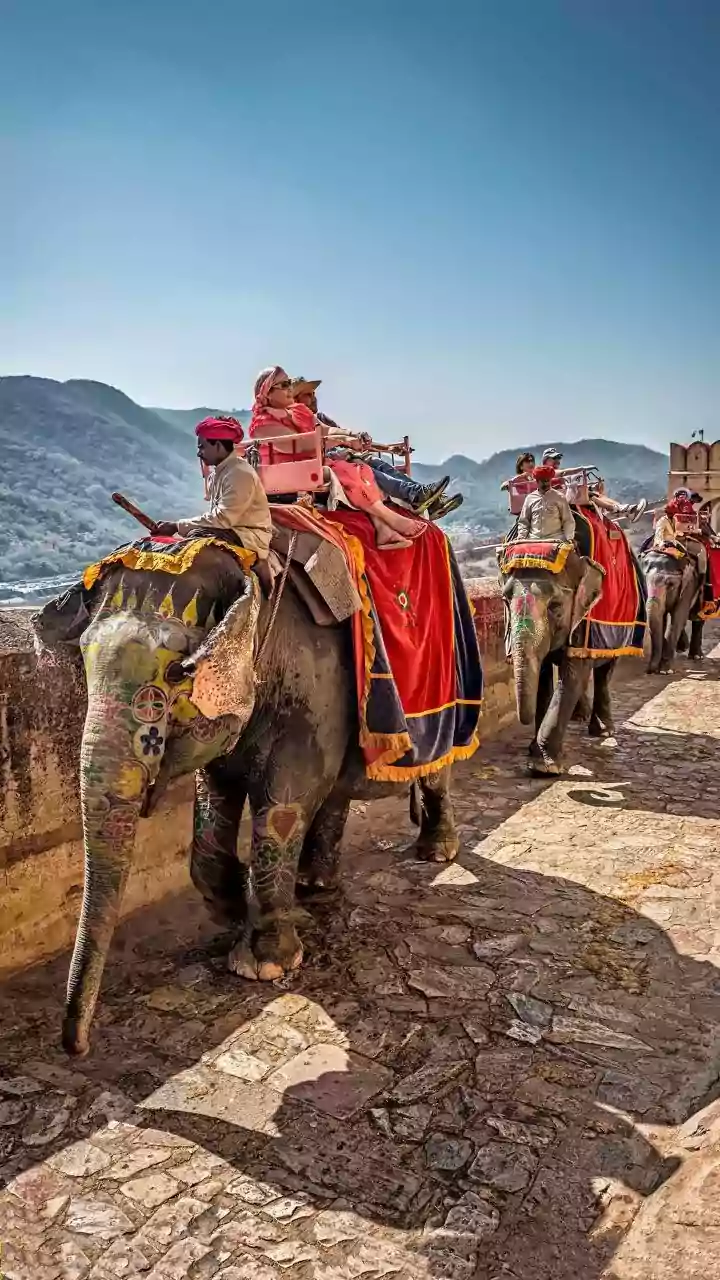
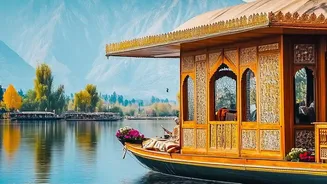
This trend is reflected in destination choices. Domestically, regions that support a slower pace are seeing a surge in interest. High-growth areas include the North East (+31%), Kashmir (+35%), and Ladakh (+31%), alongside perennial favourites like Kerala and Rajasthan, which are now being explored more deeply. Internationally, short-haul destinations that offer rich cultural experiences are booming. Places like Bali, Vietnam, and Thailand are popular for their blend of relaxation, wellness, and immersive activities. Even long-haul trips to destinations like Japan and Iceland are being driven by a desire for unique, experience-led journeys rather than rushed tours.
How the Travel Industry Is Adapting
The travel industry is taking note and adapting its offerings. There is a clear move away from one-size-fits-all package tours, with custom and semi-custom itineraries growing by 18% and 16% respectively. Travel companies are curating experiences focused on wellness, adventure, and cultural immersion. The experiential travel market in India is projected to become a dominant segment, expected to reach USD 45 billion by 2027. This indicates a fundamental change in what travellers value, where peace of mind and the quality of the experience have replaced price as the ultimate definition of a holiday well spent.