



Beyond the Mainstream Tourist Circuit
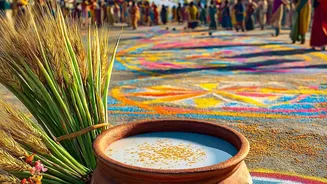
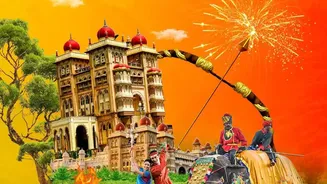
India’s soul is often found not in its grand monuments, but in its thousands of living, breathing regional festivals. From the Theyyam performances in Kerala to the Hornbill Festival in Nagaland, these events offer a profound glimpse into local traditions,
art, and community life. For decades, these experiences were primarily accessible to locals or the most determined travellers. Information was scarce, logistics were complex, and many visitors simply didn't know these events were happening. This meant missing out on some of the most authentic and colourful cultural encounters the country has to offer. The magic of these festivals lies in their specificity—the unique rituals, the local cuisine, and the collective energy that transforms a town or village. The challenge has always been bridging the information gap for outsiders.
Your Digital Compass for Cultural Discovery
Digital technology is now unlocking these hidden cultural treasures for everyone. A growing ecosystem of apps, websites, and social media channels is dedicated to documenting and sharing information about India's diverse events. The Government of India itself has launched initiatives like the Utsav Portal and the Incredible India app, which serve as official calendars for festivals and events across the states. These platforms aim to showcase everything from major religious festivals to local art and culinary events, providing dates, details, and context. They are complemented by a host of private platforms like MakeMyTrip, BookMyShow, and Insider.in, which help users discover and book tickets for everything from large concerts to niche workshops and local performances. Even social media, through hashtags and influencer content, has become a powerful tool for discovering events organically.
Seamless Planning and Personalised Itineraries
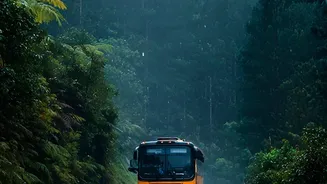
The biggest advantage of these digital tools is the simplification of travel planning. Where once a traveller had to rely on word-of-mouth or outdated guidebooks, now they can find comprehensive information in one place. Platforms like redBus for bus travel and IRCTC's Rail Connect app for trains allow you to plan your journey to the event's location with ease. Many all-in-one apps also integrate accommodation bookings, helping you find a place to stay near the festival grounds. Furthermore, the rise of AI in travel tech means platforms can offer personalised suggestions. Based on your interests—be it food, music, or spiritualism—an AI-powered tool can create a customised itinerary, suggesting festivals you might enjoy and even mapping out daily activities.
Enhancing the On-the-Ground Experience
The utility of digital platforms doesn't end once you've reached the festival. Many apps now offer features that enhance the experience itself. Live updates can inform you of schedule changes or crowd sizes. Some platforms are even experimenting with augmented reality (AR) to bring history and mythology to life at heritage sites associated with festivals. Apps like Augtraveler aim to turn monuments into interactive storytelling spaces, providing context that enriches your visit. For international travellers or those exploring a region with a different language, translation apps are indispensable. The ability to look up information, navigate using digital maps, and even watch live streams of certain rituals you can't physically access makes the entire experience more immersive and less intimidating.
Fostering Authentic Connections
Perhaps most importantly, these digital tools can foster a deeper, more responsible form of tourism. They can connect travellers directly with local communities, moving beyond passive observation. Some platforms facilitate bookings for homestays, allowing visitors to experience local life firsthand. Others create a marketplace for local artisans, ensuring that the economic benefits of tourism reach the people who uphold these traditions. By providing context and background on cultural etiquette, these platforms also help travellers engage with events in a more respectful and meaningful way. This shift helps preserve cultural heritage by making it economically viable for local communities, turning tourism into a force for sustainable development.