



The Challenge of Fasting Fare
During Sawan, many devotees observe fasts, adhering to a sattvic diet. This means avoiding regular grains like wheat and rice, lentils, onions, garlic, and common table salt. The focus shifts to fruits, certain vegetables like potatoes and sweet potatoes,
dairy products, and specific fasting flours. While this simplifies the pantry, it can leave one longing for the complex, vibrant flavours of everyday food. The biggest challenge becomes creating a meal that is not only compliant with vrat rules but also exciting to the palate. This is where the humble chaat, adapted for fasting, comes into its own, offering a canvas for permitted yet powerful flavours.
Building a Vrat-Friendly Base
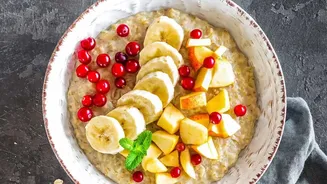
The foundation of any good chaat needs substance, and a Sawan-friendly version is no different. The most common and effective base ingredients are boiled potatoes or sweet potatoes, cubed and sometimes pan-fried in a little ghee for a crispy exterior. These starchy vegetables are permitted during the fast and provide a satisfying, neutral base that is perfect for absorbing other flavours. For a different texture and taste, some recipes also incorporate fruits like apples, bananas, or pears, creating a fruit-based chaat. Another excellent option is makhana (fox nuts), which can be roasted until crunchy and added for a light, airy element. The key is to have a robust foundation that can hold its own against the tangy and spicy notes that will be added next.
The Power of Permitted Spices
Spices are the heart of chaat, but the usual suspects like garam masala and turmeric are avoided during Sawan fasting. Instead, a select group of spices does the heavy lifting. Sendha namak, or rock salt, is the only salt permitted and is essential for seasoning. Roasted cumin powder (bhuna jeera) provides a deep, earthy, and aromatic quality that is fundamental to the chaat flavour profile. For heat, black pepper powder (kali mirch) and finely chopped green chillies are used, offering a clean, sharp kick without being overpowering. Some traditions also allow spices like cinnamon, cloves, and green cardamom. Toasting whole spices like cumin seeds in ghee before crushing them can unlock an even more intense aroma, elevating the dish from simple to sensational.
The Zesty Lift of Lemon
If spices form the heart of the chaat, lemon juice is its soul. Its role goes far beyond simply adding a sour taste. A generous squeeze of fresh lemon juice is what brings all the other elements into perfect harmony. The acidity cuts through the richness of ghee-fried potatoes and the starchiness of the base, preventing the dish from feeling heavy. It brightens the earthy notes of cumin and balances the heat from black pepper and chillies, creating that signature 'chatpata' sensation that defines a good chaat. In a fruit-based chaat, lemon juice also helps to prevent fruits like apples and bananas from browning, keeping the dish looking fresh and appealing. This single, simple ingredient lifts the entire dish, making the flavours pop and leaving a refreshing, vibrant taste.
Assembling Your Perfect Fasting Chaat
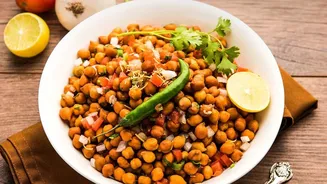
Bringing it all together is simple. Start with your base of crispy, pan-fried potato or sweet potato cubes in a bowl. Sprinkle generously with sendha namak, roasted cumin powder, and black pepper. Toss well to ensure every piece is coated. Add chopped green chillies for heat and a handful of fresh, chopped coriander leaves if your family traditions permit. Just before serving, drizzle a generous amount of fresh lemon juice over the top and toss one last time. For added texture and flavour, consider including roasted peanuts for crunch or pomegranate seeds for a sweet, juicy burst. Some also enjoy adding a dollop of whisked yogurt to make it creamier. The result is a multi-layered snack that is crunchy, soft, spicy, tangy, and deeply satisfying.