




The Viral Sensation Explained
If you've scrolled through Instagram or TikTok lately, you might have seen influencers and beauty enthusiasts holding up glasses of a thick, somewhat slimy liquid, touting it as the next big thing in skincare. This is okra water. The preparation is simple:
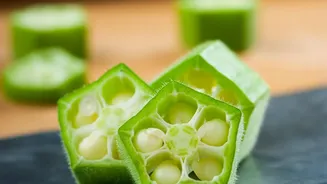
fresh okra pods, also known as lady's fingers or bhindi in India, are sliced and soaked in water overnight. The next day, the pods are strained out, leaving behind a viscous liquid rich in a substance called mucilage. It's this gel-like consistency that has everyone talking, with claims ranging from intense hydration to it being a 'natural botox'. The trend has exploded, with searches for okra water spiking dramatically as people seek natural, DIY beauty solutions.
A Familiar Vegetable’s Secret Weapon
For many in India, okra is a familiar sight on the dinner plate, but its use in cosmetics is a newer phenomenon. The cosmetic potential of okra lies almost entirely in its mucilage. This gelatinous substance is a natural hydrator, meaning it helps the skin hold on to moisture. Think of it like a natural moisturiser that can leave the skin feeling soft and supple. Okra itself is packed with nutrients beneficial for skin health, including antioxidants like vitamins A, C, and E. These vitamins are known to fight damage from environmental stressors, while vitamin C, in particular, plays a role in stimulating collagen production, which helps maintain the skin's firmness and elasticity.
The Alluring Promise for Skin and Hair
The anecdotal claims circulating online are compelling. Users report that applying okra water topically gives their skin an incredible glow, reduces redness, and soothes irritation due to its potential anti-inflammatory properties. Some have even compared its tightening effect to a 'natural botox'. For hair, the mucilage is praised as a fantastic natural conditioner and detangler, making hair shinier, smoother, and more manageable. The theory is that the vitamins and minerals nourish the scalp and promote healthy growth, while the slippery texture helps prevent breakage. The claims are wide-ranging, covering hydration, anti-aging, and even acne reduction.
The Reality Check: What Do Experts Say?
This is where the headline's caveat—'Without Confirmed Consumer Outcomes'—becomes crucial. While the science behind okra's nutritional profile is solid, the evidence for okra water as a miracle cure is largely anecdotal. Dermatologists and scientists note a significant lack of clinical studies on okra water specifically. While the mucilage is indeed hydrating, claims of it acting like botox or permanently erasing wrinkles are unsubstantiated. Dr. Geetika Srivastava, a Delhi-based dermatologist, acknowledges that okra has benefits, especially related to its properties that can help manage blood sugar, which indirectly affects skin health. However, experts caution that drinking the water is not a replacement for a balanced diet or medical treatments. Much of the nutrients remain in the vegetable itself; simply soaking it doesn't transfer all the benefits to the water.
To Try or Not to Try?
So, is there any harm in trying this trend? Generally, no. Applying okra water topically is unlikely to be harmful for most people, and it may provide a temporary hydrating and soothing effect. However, it's always wise to do a patch test first to rule out any allergic reaction. If you decide to try the DIY trend, remember that homemade concoctions lack preservatives, so they should be made in small batches and used quickly. While it may not be the fountain of youth social media proclaims it to be, okra water can be a fun, natural addition to a beauty routine, as long as expectations are realistic. It is a good source of hydration, but for significant skin concerns like deep wrinkles or acne, professional advice remains the best course of action.