



A Landmark Achievement at Chakan
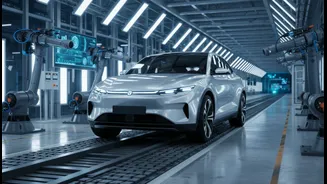
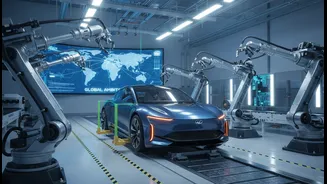
Mahindra & Mahindra recently announced that its advanced manufacturing facility in Chakan has produced its three-millionth vehicle. The milestone unit was a BE.06, one of the flagship electric SUVs from its 'Born Electric' range. What makes this more
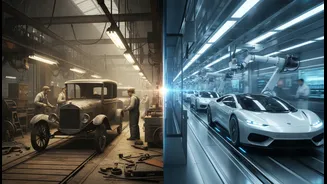
than just a number is the incredible acceleration in production. While the plant took 107 months to build its first million vehicles, the most recent million were produced in just 27 months—a nearly fourfold increase in speed. This rapid scaling, with an EV rolling off the line as the landmark vehicle, signals that Mahindra's massive investment in electric mobility is beginning to pay off, shifting the Chakan facility into a future-ready hub capable of supporting both traditional and electric vehicles.
Powering Mahindra's Electric Dream
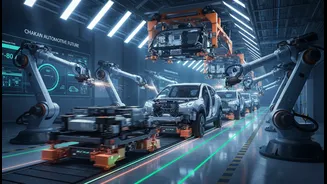
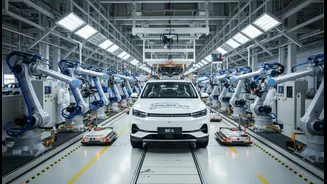
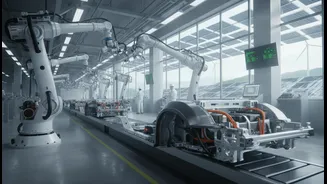
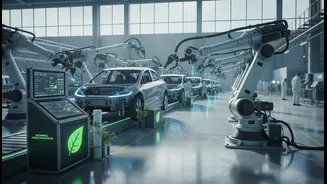
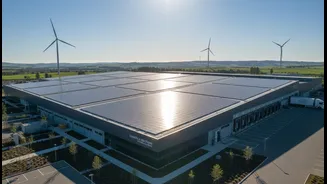
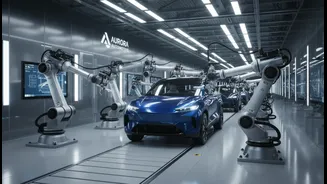
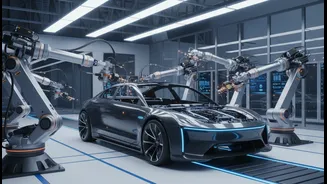
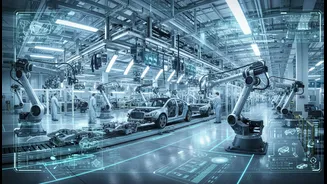
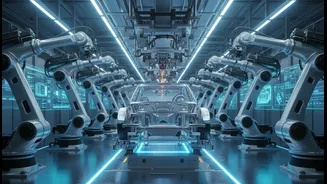
This milestone is the culmination of a focused strategy. The Chakan plant, a sprawling 657-acre facility, is the heart of Mahindra's EV ambitions. It now produces 19 different models, including a growing portfolio of electric vehicles built on the sophisticated INGLO platform. This 'Born-Electric' architecture, which benefits from a partnership with Volkswagen, is designed from the ground up for EVs, allowing for optimised battery placement, enhanced performance, and advanced software integration. The facility itself is a showcase of modern manufacturing, with over 1,500 robots and more than 98% automation in the body shop. Crucially, the EV manufacturing section operates entirely on renewable energy, reinforcing a commitment to sustainability that goes beyond the tailpipe.
The Race for India's EV Crown
Mahindra's achievement doesn't happen in a vacuum. It puts the company in an even more intense race with Tata Motors, the current volume leader in India's electric passenger vehicle market. While Tata Motors holds a formidable market share, Mahindra's aggressive push with its new lineup of electric SUVs is rapidly making it a strong challenger. The Indian EV market is no longer a niche segment; it's a high-growth battleground. With two-wheelers and three-wheelers leading the charge in sales volume, the passenger car segment is now seeing explosive growth. This domestic rivalry is crucial, as it fosters innovation, drives down prices, and provides Indian consumers with more choices, ultimately accelerating the country's overall transition to electric mobility.
Navigating the Bumps in the Road
Despite the celebratory milestone, the road ahead for Indian EV manufacturing is not without its challenges. The industry still grapples with a significant dependency on imported components, especially for battery cells, which form the most expensive part of an EV. While localization is increasing, India's reliance on countries like China for battery cells and other critical raw materials remains a strategic vulnerability. Furthermore, while charging infrastructure is improving in major cities, its scarcity in Tier-2 and Tier-3 towns remains a major barrier to mass adoption, creating 'range anxiety' for potential buyers. Overcoming these supply chain and infrastructure hurdles is critical for sustaining the current growth momentum.
The Government's Electric Push
The government has been a key driver in this transformation. Policies like the Faster Adoption and Manufacturing of Electric Vehicles (FAME) scheme and various Production-Linked Incentive (PLI) schemes are designed to build a robust domestic ecosystem. These initiatives provide subsidies to make EVs more affordable for consumers and incentivize companies to manufacture vehicles and their components, including batteries, within India. The national ambition is clear: to reduce the country's massive oil import bill, curb urban pollution, and establish India as a global manufacturing hub for clean mobility. Mahindra's Chakan milestone is a tangible result of this public-private push, demonstrating that the 'Make in India' vision for EVs is turning into a reality.