

A Match Made in Food Heaven
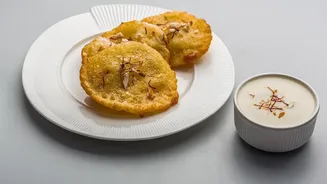
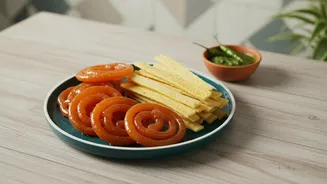
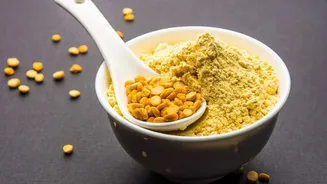
At first glance, they seem an unlikely pair. Fafda is a savoury, yellow, ribbon-like snack made from gram flour (besan), turmeric, and carom seeds. It's rolled thin and fried to a delicate crispness, offering a salty, slightly spiced crunch. On the other
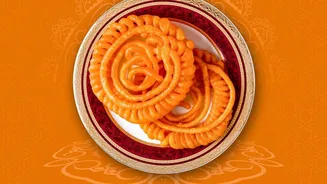
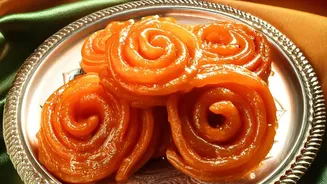
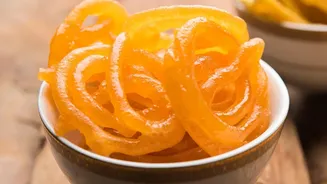
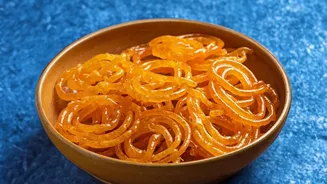
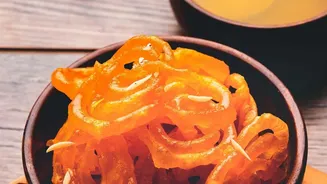
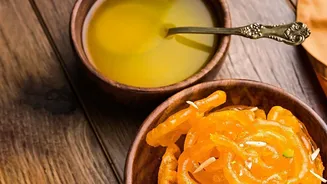
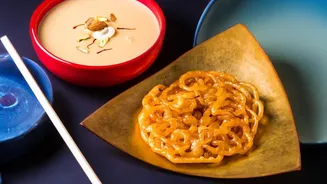
side, you have jalebi, a vibrant orange coil of fermented flour batter, deep-fried and then plunged into a bubbling bath of sugar syrup. It's sweet, tangy, and satisfyingly sticky. Yet, when eaten together, they create a perfect culinary balance. The savoury fafda cuts through the intense sweetness of the jalebi, while the jalebi’s syrupy texture softens the dry crunch of the fafda. It’s a classic sweet-and-salty combination that delights the palate and has become an iconic taste of the region.
A Tale of Two Origins
While they are inseparable on the plate, fafda and jalebi have very different histories. Fafda is a native Gujarati creation, a staple of the state's vast catalogue of farsan, or savoury snacks. Jalebi, however, is an immigrant. It traces its roots to West Asia, where it was known as 'zalabiya'. It journeyed to India through Persian traders and was mentioned in texts by the 15th century. The tradition of pairing them is more recent, believed to have been popularised in the early 20th century by heritage eateries in Ahmedabad. One famous establishment, Chandravilas, began serving fafda around 1915 and soon added jalebi, cementing the duo's status as a breakfast classic.
The Dussehra Tradition
Nowhere is the love for fafda-jalebi more apparent than on the morning of Dussehra, also known as Vijayadashami. Across Gujarat, long queues form outside farsan shops from the crack of dawn. The tradition is rooted in both mythology and practicality. After nine nights of Navratri festivities and fasting, Dussehra marks a day of celebration. According to one popular belief, jalebi (an ancient version of which was called 'Shashkuli') was a favourite sweet of Lord Rama. Fafda, being made of gram flour, was a favoured food of his devotee, Hanuman. Eating them together on the day celebrating Rama's victory over Ravana is a way of honouring them both. Additionally, Hindu tradition suggests breaking a fast with gram flour, making fafda an ideal choice.
A Restorative Reward
There's also a practical, almost scientific, logic behind the Dussehra feast. The nine days of Navratri often involve fasting and energetic late-night garba dancing, leaving the body depleted. The sugar in jalebi provides an instant glucose boost for energy. Some traditional beliefs even suggest that warm jalebi can help alleviate fatigue and migraines that might arise from the change in routine and diet during the festival. The fafda, being relatively light and made from besan, is considered easy on the stomach after a period of fasting. The combination, therefore, serves as a delicious and restorative reward after the discipline of Navratri.
The Complete Experience
Fafda and jalebi are rarely served alone. The complete experience includes a few crucial accompaniments that elevate the pairing. A key side is sambharo, a tangy and spicy salad made from grated raw papaya and green chillies. Its fresh crunch provides another layer of texture and a spicy kick. Often, whole fried green chillies are also served on the side for those who enjoy extra heat. Together, this plate offers a symphony of flavours and textures—salty, sweet, spicy, soft, and crunchy. It represents more than just a meal; it's a cultural experience that brings people together and embodies a joyful, delicious tradition passed down through generations.