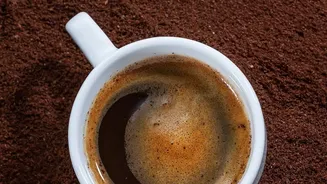








More Oils Mean More Body and Flavour
The core difference between metal and paper filters comes down to what they let pass into your cup. Paper filters are made of dense fibres that trap not only coffee grounds but also most of the natural oils and microscopic particles, known as fines. This
results in a brew that is often described as "clean," "bright," and light-bodied, allowing delicate flavour notes to shine through. In contrast, metal filters have larger pores. They are effective at holding back the larger grounds but allow the coffee's aromatic oils and some fines to flow into the final beverage. These oils are responsible for giving the coffee a richer, fuller body and a more robust flavour profile. If you enjoy the heavy, textured mouthfeel of a French press, you will likely appreciate the characteristics of a metal-filtered brew.
The Health Equation: A Matter of Cholesterol
Those coffee oils, so crucial for flavour and body, contain compounds called diterpenes, primarily cafestol and kahweol. Research has shown that these compounds, particularly cafestol, can raise levels of LDL cholesterol, often referred to as "bad" cholesterol. Because paper filters are highly absorbent, they trap the vast majority of these diterpenes. A study involving over 500,000 people found that consuming unfiltered coffee was associated with higher mortality than drinking filtered coffee. Metal filters, including those used in French presses and some drip machines, let these oils pass through, meaning a cup of metal-filtered coffee contains significantly more cafestol than one brewed with paper. For individuals managing high cholesterol or those who consume several cups of coffee daily, this is a noteworthy consideration. Sticking with paper filters is the more protective option in this context.
Cost, Convenience, and Cleanup
From a practical standpoint, the two filter types offer a clear trade-off between upfront cost and ongoing expense. Metal filters carry a higher initial price but can last for years with proper care, making them a one-time purchase. Paper filters are inexpensive per box, but the cost accumulates over time as a recurring purchase. Convenience is another factor. Paper filters offer the ultimate ease of cleanup: simply lift the filter and grounds and toss them, preferably into a compost bin. Metal filters, on the other hand, require more hands-on maintenance. They must be rinsed after every use and periodically scrubbed to prevent the buildup of oils, which can become rancid and spoil the taste of future brews.
The Environmental Perspective
At first glance, reusable metal filters seem like the obvious environmental winner by eliminating single-use waste. While they do significantly reduce the amount of material sent to landfills, the full picture is more nuanced. The manufacturing of a metal filter has its own environmental footprint. Furthermore, the daily rinsing and weekly scrubbing required for a metal filter consume water and energy. On the other side, paper filters, especially unbleached varieties, are typically biodegradable and compostable. When composted along with the used coffee grounds, they can contribute positively to soil health. Therefore, while metal filters reduce waste, the environmental benefit compared to a responsibly disposed-of paper filter is smaller than many assume.