




The Ancient Grain Powering Modern Breakfasts
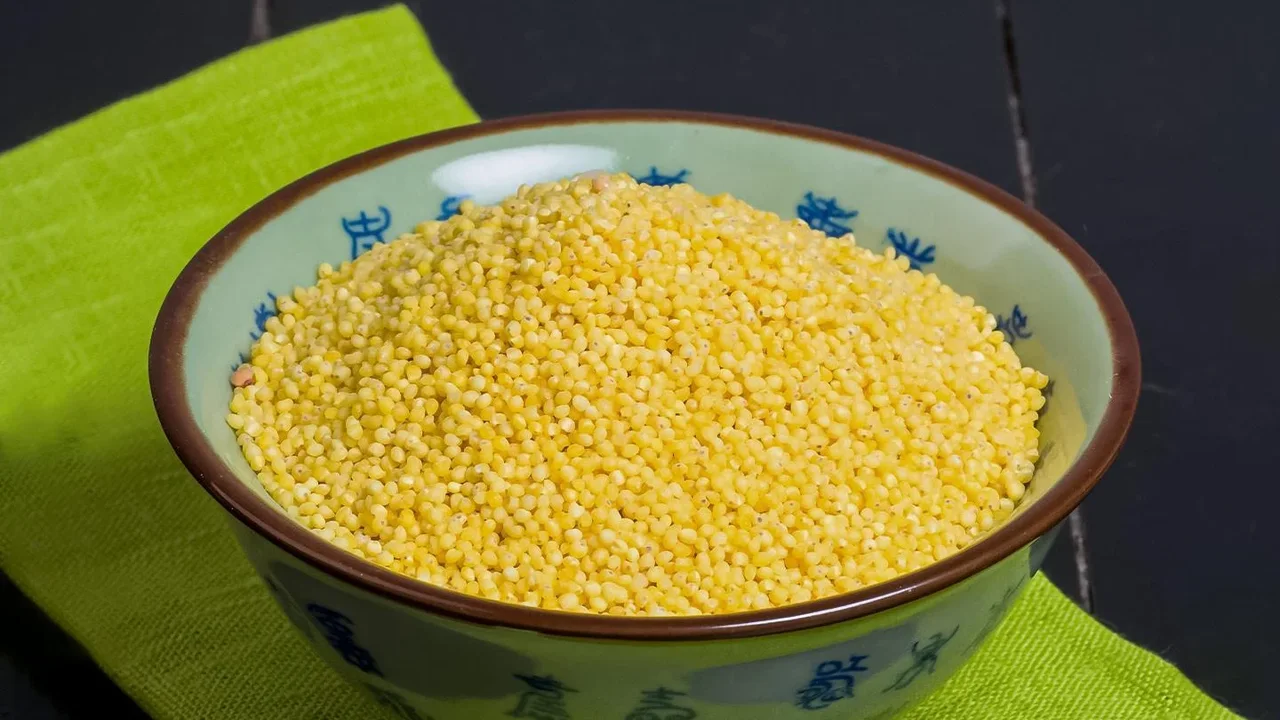
Barley, known as ‘jau’ in India, is one of the world’s oldest cultivated grains. With a nutty flavour and a pleasantly chewy texture, it has been a staple in traditional diets for centuries. While often associated with soups and stews, barley is now gaining
recognition as a formidable breakfast option. It is packed with essential nutrients, including fibre, vitamins, and minerals like manganese and selenium. Unlike many refined breakfast cereals, barley is a whole grain that offers sustained energy, making it an excellent foundation for a busy day.
The Science of Barley and Blood Sugar
The primary reason barley is so beneficial for blood sugar management is its remarkably low glycemic index (GI). Foods with a low GI are digested and absorbed more slowly, leading to a gradual rise in blood glucose rather than a sharp spike. Barley's GI is one of the lowest among all common grains. This is largely due to its high content of a specific type of soluble fibre called beta-glucan. When you eat barley, this beta-glucan forms a gel-like substance in your gut, which slows down the absorption of carbohydrates and sugar. Studies have shown that barley can be more effective than even oats at reducing blood sugar and insulin levels after a meal.
Hulled vs. Pearl Barley: Which to Choose?
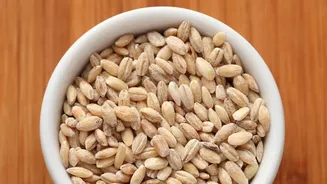
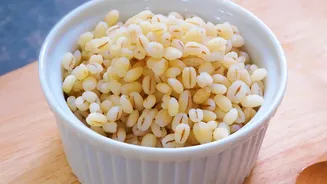
When you shop for barley, you'll typically find two main types: hulled and pearl. Hulled barley is the whole-grain version, with only the tough, inedible outer husk removed. It retains its bran and germ, making it richer in fibre and nutrients. Pearl barley has been polished to remove the bran layer, which means it has slightly less fibre but cooks faster—typically in about 25-40 minutes. While hulled barley is nutritionally superior, pearl barley is still a healthy choice and a great starting point if you're new to cooking with the grain. For blood sugar benefits, both are effective, but hulled barley offers the maximum fibre advantage.
How to Prepare a Simple Barley Breakfast Bowl
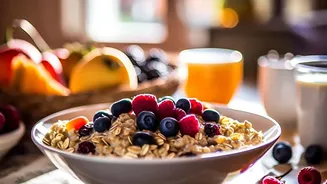
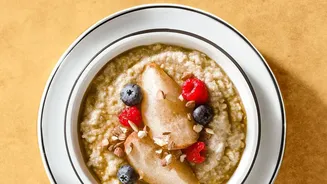
Making a barley breakfast bowl is straightforward. For a basic porridge, start by rinsing one cup of barley. Add it to a pot with three cups of water or milk (or a combination) and a pinch of salt. Bring the mixture to a boil, then reduce the heat to a simmer, cover, and cook until the barley is tender and the liquid is mostly absorbed. This can take 30-40 minutes for pearl barley and 45-60 minutes for hulled barley. The result is a creamy, chewy base ready for your favourite toppings.
Smart Toppings for a Balanced Meal
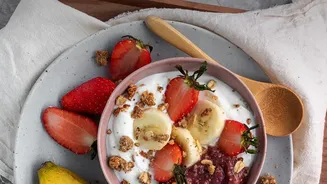
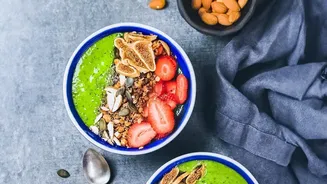
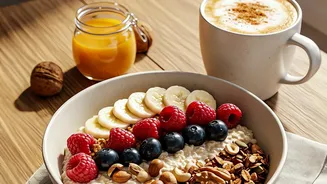
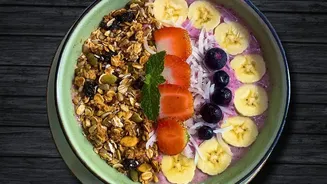
The toppings you choose are key to creating a balanced, nutrient-dense breakfast. To keep it blood-sugar-friendly, focus on additions that provide healthy fats, protein, and additional fibre. Good choices include a dollop of plain Greek yogurt, a sprinkle of nuts like almonds or walnuts, and seeds such as chia or flax. For a touch of sweetness without a sugar spike, opt for fresh berries, which are lower in sugar than many other fruits. Spices like cinnamon can also add flavour and have been shown to help with blood sugar regulation. Avoid high-sugar toppings like maple syrup, honey in large amounts, and excessive dried fruit.
Meal Prep for Effortless Mornings
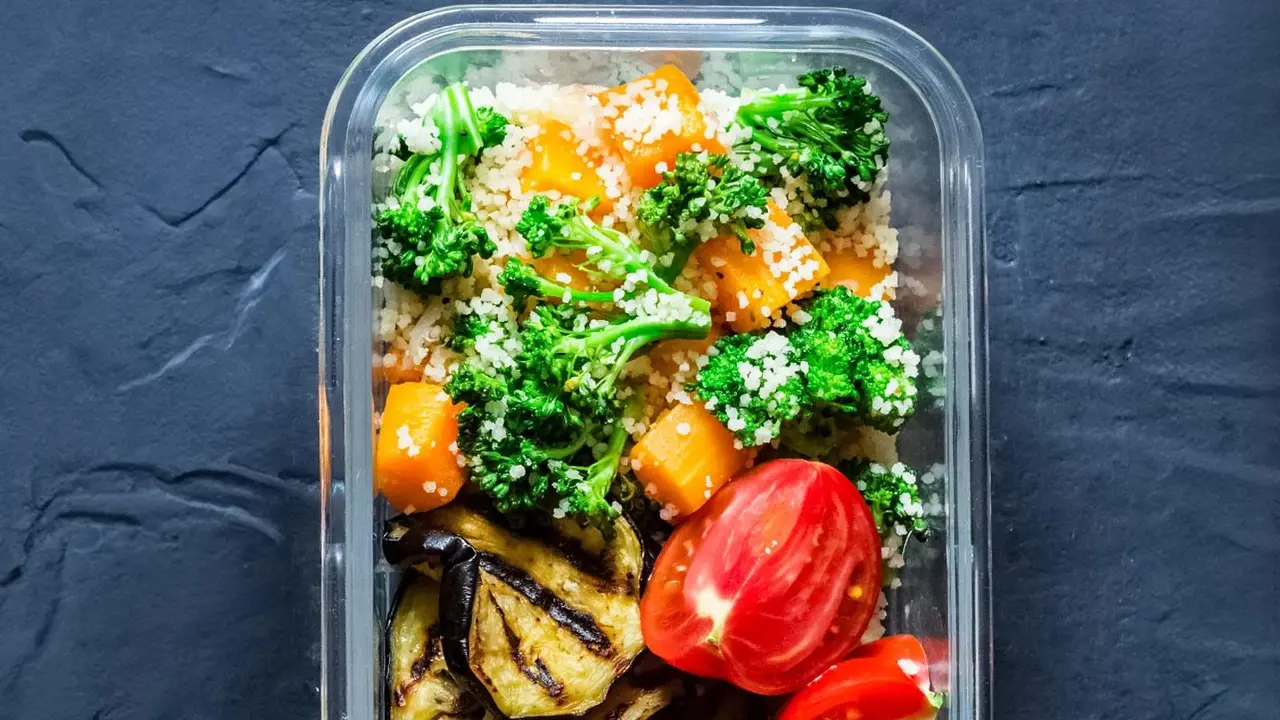
One of the best features of barley is its suitability for meal prepping. You can cook a large batch at the beginning of the week and store it in an airtight container in the refrigerator for up to five days. Each morning, simply scoop a serving into a bowl, add a splash of milk or water, and reheat it in the microwave or on the stovetop. This simple trick means a healthy, blood-sugar-friendly breakfast is ready in minutes, even on the most hectic of schedules.