

A New View From Space
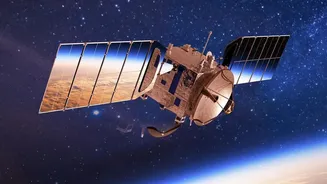
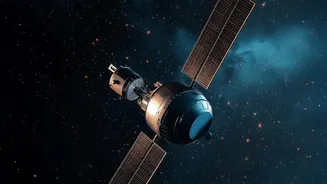
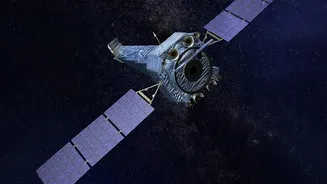
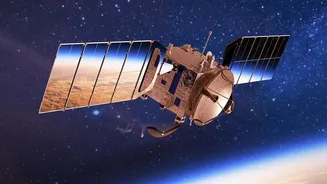
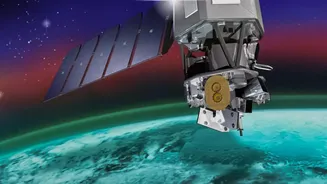
The breakthrough comes from NASA's Polar Radiant Energy in the Far-InfraRed Experiment, or PREFIRE. Since July 2024, two tiny satellites, each no bigger than a shoebox, have been orbiting over the Arctic and Antarctic. Their mission is to measure something
largely invisible to previous instruments: far-infrared radiation. This type of energy accounts for nearly 60 percent of the heat Earth radiates back into space. By capturing two full years of continuous data, the PREFIRE mission has created a detailed film of the poles inhaling and exhaling energy. This isn't just another temperature reading; it's a comprehensive look at the polar energy budget, offering vital clues about how quickly our planet’s icy caps are responding to a warming climate. These measurements are crucial for refining climate and weather models, helping scientists predict everything from ice sheet stability to changes in weather patterns.
The Summer Sponge Effect
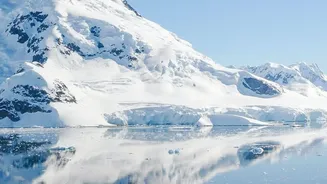
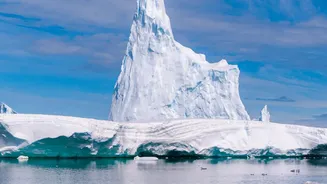
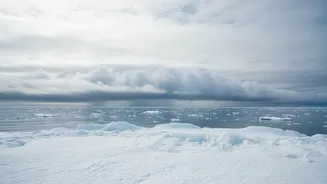
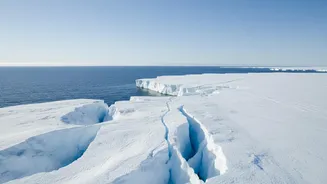
To understand the seasonal heat puzzle, you first have to understand the power of reflection. Bright white sea ice acts like a giant mirror, reflecting the sun's energy back into space. This phenomenon, known as a high albedo, helps keep the polar regions cool. But as temperatures rise and sea ice melts, it exposes the dark ocean water beneath. Unlike ice, the dark ocean surface is like a sponge for solar radiation, absorbing enormous amounts of heat throughout the summer months. This simple switch from reflective ice to absorbent water is one of the most powerful drivers of polar warming. The more ice that melts, the more heat the ocean soaks up, creating a powerful feedback loop that accelerates the melting process further.
Autumn's Great Heat Release
The heat absorbed by the ocean during the long summer days doesn't simply vanish. As autumn arrives and the air above the Arctic begins to cool, the ocean releases this vast reservoir of stored warmth back into the atmosphere. This process acts like a giant heater, warming the air and delaying the annual freeze-up of sea ice. The lengthening of the melt season is a critical finding confirmed by years of satellite data. Earlier spring melts and later autumn freezes mean the ocean has more time to absorb solar energy, and this delayed cooling in the fall means less ice can reform over the winter. This makes the ice pack thinner, more fragile, and more susceptible to melting the following summer, locking the region into a cycle of warming.
The Cycle of Amplification
This entire process is the engine behind a phenomenon known as Arctic Amplification. It’s the reason why the Arctic is warming two to four times faster than the rest of the planet. The cycle is self-reinforcing: rising global temperatures cause ice to melt, the exposed ocean absorbs more heat, that heat is released in the fall, which warms the atmosphere and hampers ice formation, leading to even more melting the next year. It’s a classic positive feedback loop, where a small change triggers a much larger effect. Data from missions like PREFIRE are essential because they allow scientists to precisely measure the energy flows driving this amplification, moving from theoretical models to direct observation. This allows for more accurate predictions about the future of Arctic sea ice and the global climate it influences.
Why Polar Heat Matters to You
The rapid warming of the Arctic isn't a distant problem confined to polar bears and ice floes. The temperature difference between the cold Arctic and the warmer mid-latitudes is a primary driver of the jet stream, the high-altitude river of air that shapes weather patterns across the Northern Hemisphere. As the Arctic warms faster than the equator, this temperature contrast weakens. A weaker, more meandering jet stream can lead to more persistent and extreme weather events. This includes prolonged heatwaves, severe cold snaps that dip unusually far south, and intense bouts of precipitation or drought. So, the heat being absorbed by the Arctic Ocean in July can ultimately influence the weather you experience thousands of miles away months later, making the monitoring of these remote regions a matter of global importance.