





Beyond the Simple Headlines
One minute, we're told to load up on protein to build muscle and stay full. The next, we hear that high-protein diets could be a hidden risk for long-term health. This conflicting advice can be confusing. A recent, wide-ranging review of over 350 studies
has brought new clarity to the conversation. It suggests that simple claims about protein being universally 'good' or 'bad' for longevity are misleading. The truth, as is often the case in nutrition science, is far more nuanced and depends on several critical factors that go beyond just the total amount of protein you eat.
The Animal Study Trap
Much of the research linking lower protein intake to a longer lifespan comes from studies on animals like flies, yeast, and rodents. Scientists note that while these studies are valuable for understanding biological mechanisms, their findings cannot be directly applied to humans. Humans have different metabolic rates, lifespans, and aging processes. For instance, some animal studies show that restricting protein activates pathways associated with longevity. However, independent experts caution that jumping to conclusions about human health based on this is a mistake, highlighting the need for more human-specific research before making broad recommendations.
Not All Protein Is Created Equal
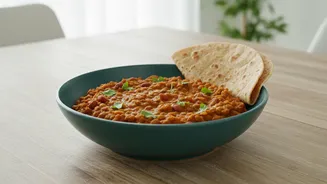
Perhaps the most significant finding from modern nutrition research is the distinction between protein sources. Multiple large-scale human studies show a pattern: higher intake of plant-based protein is associated with a lower risk of mortality. In contrast, high consumption of animal protein, particularly red and processed meats, has been linked to less favorable outcomes. One study found that replacing just 3% of calories from animal protein with plant protein was associated with a 10% lower risk of death from any cause. This suggests the focus shouldn't just be on 'how much' protein, but 'what kind'.
Why Your Age Changes the Rules
Protein needs are not static throughout life. While some research suggests younger and middle-aged adults might benefit from moderating protein intake, the rules change significantly for older adults. After the age of 65, the body becomes less efficient at using protein, and the risk of age-related muscle loss, a condition called sarcopenia, increases. To combat this, experts recommend higher protein intake for older adults, suggesting 1.0 to 1.2 grams of protein per kilogram of body weight, which is higher than the standard recommendation for younger adults. This helps maintain muscle mass, strength, and overall function, which are crucial for healthy aging.
It’s the Whole Plate That Counts
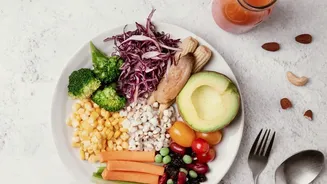
Obsessing over a single nutrient can make us miss the bigger picture. Researchers increasingly emphasize the importance of overall dietary patterns rather than individual macronutrients. Healthy eating patterns consistently associated with longer life—such as the Mediterranean diet or plant-focused diets—share common themes: they are rich in fruits, vegetables, whole grains, nuts, and legumes. Protein, whether from plants or lean animal sources, is just one component of this healthy mosaic. Rather than chasing a magic number for protein, focusing on a diet based on whole, minimally-processed foods appears to be the most reliable strategy for promoting both health and longevity.