



The Glory Days of a Market Disruptor
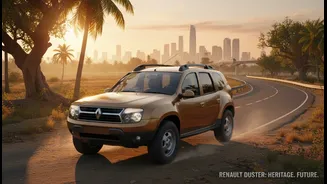
It’s hard to overstate the Duster’s original impact. When it launched in 2012, it didn’t just enter the market; it created one. Before the Duster, the idea of a rugged, spacious, and capable monocoque SUV at an accessible price point was a fantasy for most
Indian buyers. It offered a unique combination of a comfortable ride that could glide over bad roads, a powerful and efficient diesel engine, and a tough, no-nonsense design. For the first time, families had a practical alternative to sedans and ladder-frame SUVs. It was a massive success, selling over 200,000 units and at its peak, capturing a 23% market share in the SUV space it pioneered. The Duster became synonymous with Renault in India, building a powerful image of reliability and adventure. It was, for many, the car that made Renault a household name.
The Quiet Years and Fading Presence
After its phenomenal start, Renault’s momentum in India began to wane. The Duster, which had been a game-changer, started to feel dated as competitors like the Hyundai Creta and Kia Seltos entered the segment with more features, premium interiors, and modern designs. Renault was slow to update its hero product, eventually discontinuing the popular diesel engine and the all-wheel-drive variant that gave the Duster its unique edge. Production finally ceased in early 2022. Without its anchor product, Renault's market share plummeted from a high of nearly 4% to less than 1%. The brand that once disrupted the market was now struggling for relevance, heavily dependent on its entry-level Kwid and a few other models that couldn't fill the void left by the Duster.
A Comeback Anchored in Brand Recall
Launching a new car in India's hyper-competitive market is a monumental risk. This is where nostalgia becomes a powerful business strategy. By bringing back the Duster, Renault is not starting from scratch. It is tapping into a reservoir of goodwill and brand recognition built over a decade. The name 'Duster' evokes memories of durability, trust, and capability. This strategy allows Renault to bypass the expensive and uncertain process of building awareness for a new nameplate. In a cluttered market, a familiar name is a shortcut to getting the customer's attention. It’s a move designed to regain credibility and remind buyers of what the brand is capable of, serving as the cornerstone of a larger strategic initiative called the 'International Game Plan 2027' to revive its India operations.
Balancing the Old with the New
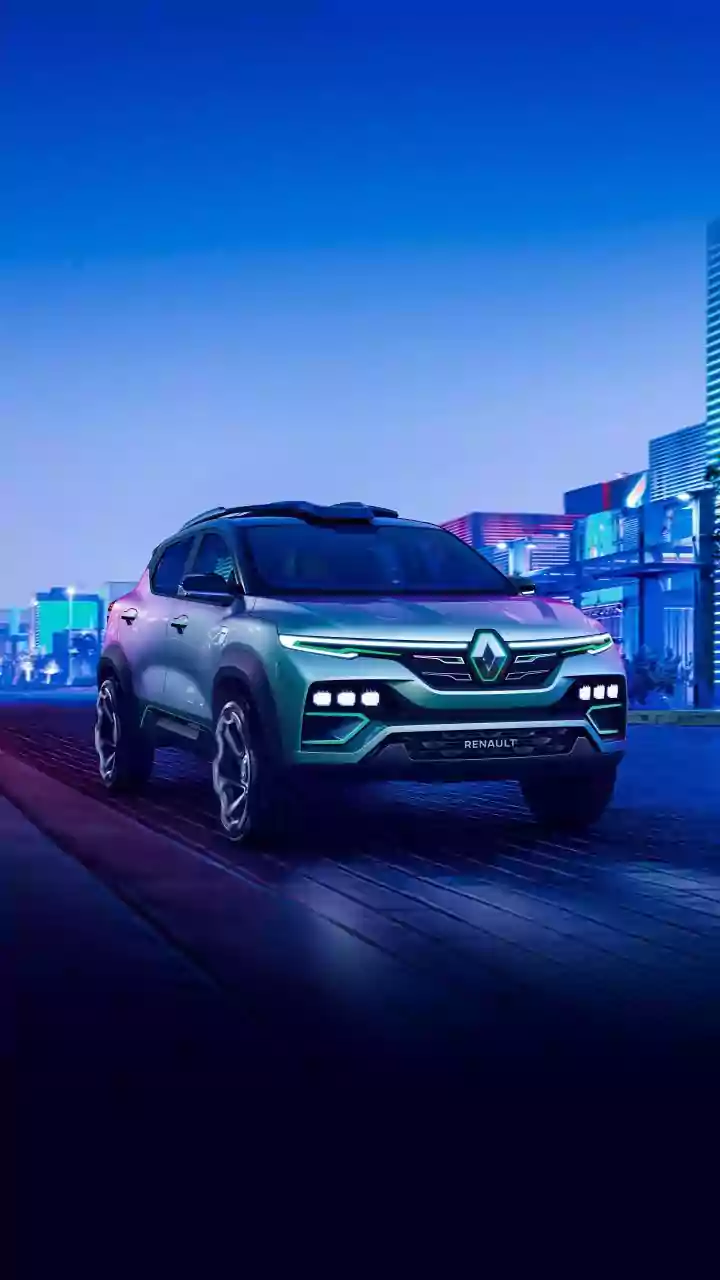
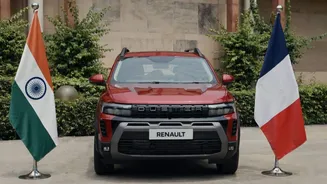
Nostalgia can open the door, but the product must be compelling enough for people to walk through it. Renault understands this. The 2026 Duster is not just a rehash of the old model. Built on the new, modular CMF-B platform, it is larger and features a muscular design inspired by the Bigster concept. While retaining the rugged, boxy stance that fans loved, it incorporates modern elements like new LED DRLs and a more premium interior with a large touchscreen infotainment system. Under the hood, it will offer a range of modern powertrains, including turbo-petrol engines and, for the first time, a strong hybrid option, catering to today's demand for performance and efficiency. It's a calculated effort to blend the spirit of the original with the technology and features expected in 2026.
More Than a Car, It's a Trojan Horse
The return of the Duster is the first and most crucial step in Renault's ambitious plan to reclaim its lost ground. The company aims to increase its market share to 5% by 2030, a significant jump from its current position. The Duster is essentially a 'Trojan Horse'—a beloved product intended to bring customers back into Renault showrooms. Its success is expected to pave the way for a pipeline of new products, including a larger 7-seater SUV based on the same platform. This SUV-led offensive is part of a multi-billion rupee investment in India, turning its Chennai plant into a key production hub for domestic and export markets. The Duster isn't just one model's comeback; it's the vehicle tasked with driving the entire brand's revival in one of the world's most important car markets.