








Your Genes Are Not a Verdict
Think of your genetic makeup as the hand of cards you’ve been dealt at birth. Some people get a hand that makes them more susceptible to certain health conditions, like heart disease, type 2 diabetes, or specific cancers. This is what scientists call
a genetic predisposition. It means your baseline risk is higher than someone with a different genetic hand. However, it's crucial to understand that a predisposition is not a diagnosis. Your genes might load the gun, but increasingly, research shows that lifestyle and environment pull the trigger. In fact, studies suggest that for the vast majority of chronic diseases, our environment and modifiable lifestyle behaviours account for the lion's share of our risk. This shifts the focus from a sense of genetic fatalism to one of personal empowerment.
Habits as Your Health Superpower
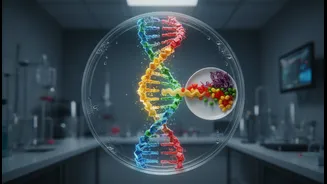
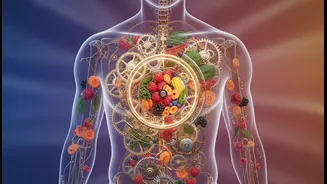
This is where your daily habits come into play. The field of epigenetics studies how your behaviours and environment can cause changes that affect the way your genes work. Unlike genetic mutations, epigenetic changes are reversible and don't change your DNA sequence, but they can change how your body reads that DNA. Simple choices you make every day—what you eat, how much you move, your sleep quality, and how you manage stress—can send signals to your genes. A healthy lifestyle can effectively 'turn off' or dampen the expression of risk-increasing genes, while unhealthy habits can activate them. This explains why even people with a low genetic risk who adopt an unhealthy lifestyle can still be two to three times more likely to develop diseases like cancer than those who make healthier choices.
Heart Disease: A Powerful Case Study
Nowhere is the power of lifestyle more evident than in cardiovascular health. Landmark studies have provided stunning proof of this principle. One major analysis published in the New England Journal of Medicine looked at over 55,000 people and found that a healthy lifestyle could cut the risk of a heart event in half, even for those with the highest genetic risk. Participants at high genetic risk who maintained at least three healthy lifestyle factors—like not smoking, maintaining a healthy weight, regular physical activity, and a healthy diet—saw their risk for heart events drop by 46% compared to their peers with similar genetics but unhealthy habits. It shows that while you can't change your family history, you can build a lifestyle that acts as a powerful buffer against it.
It’s Not Just the Heart
This dynamic isn't limited to heart disease. For type 2 diabetes, a condition with strong genetic links, the evidence is just as compelling. Studies have shown that a healthy diet and regular exercise can prevent the onset of diabetes even in individuals with a high genetic predisposition. Research has also shown that a poor diet and lack of exercise are bigger contributors to some diseases than genetics. Even for some cancers, about four in ten cases could be prevented by lifestyle choices like not smoking, maintaining a healthy weight, and eating well. The message is consistent across a range of chronic illnesses that plague modern society: your daily actions have a profound biological impact that can rewrite your health story.
Four Steps to Shape Your Response
The power to influence your genetic expression is not about perfection, but consistency. The optimal combination often boils down to four key areas. First, focus on a healthy diet, such as one rich in plants and low in processed foods. Second, engage in regular physical activity; aim for at least 150 minutes of moderate activity a week. Third, prioritize adequate sleep, as it's crucial for the body's repair and regulation. Finally, don't smoke. These four factors have been consistently shown to mitigate genetic risk and add years of healthy life. Adopting these habits, even later in life, can have a significant impact, but starting early helps cement these behaviours before middle age. It’s about making small, sustainable choices that add up to a powerful, protective effect over time.