



Deconstructing the 'Double Carb' Myth
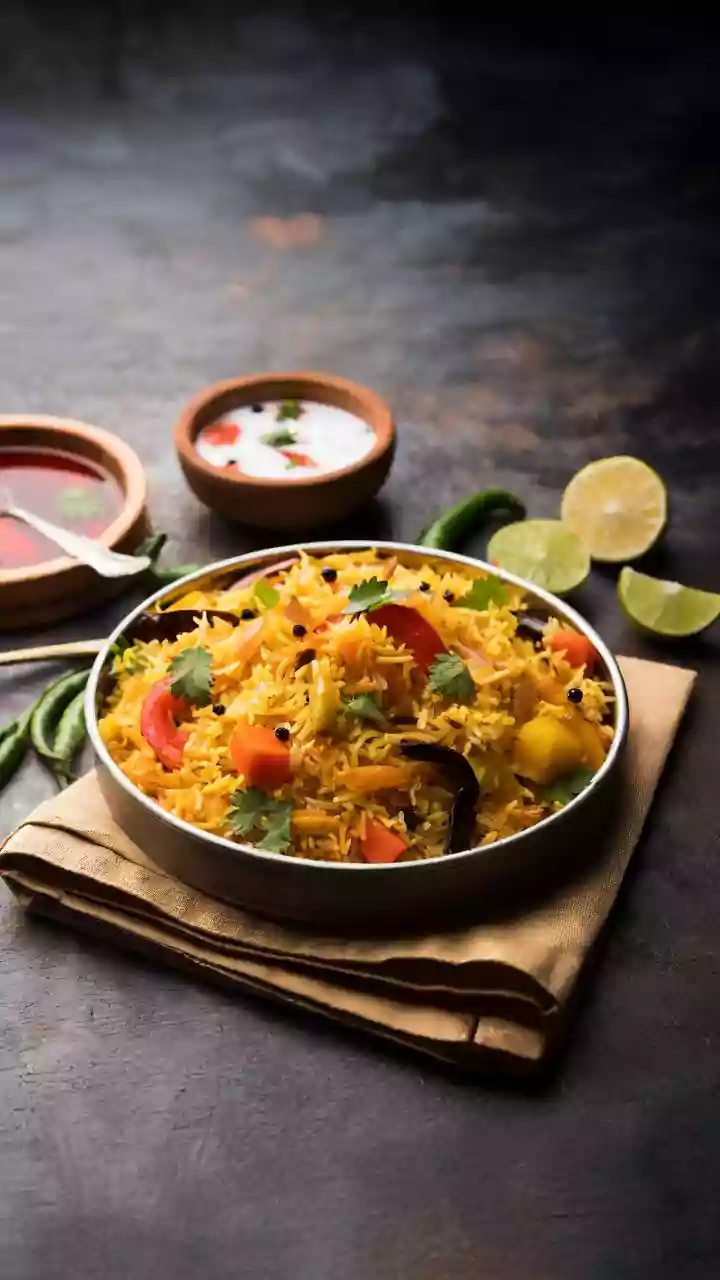
The advice to avoid eating rice and roti together stems from the fear of “double carbing”—consuming two major sources of carbohydrates in one meal. The concern is that this leads to an excessive intake of calories and a rapid spike in blood sugar levels,
potentially contributing to weight gain and other health issues. This cautionary advice has led many to meticulously separate these beloved staples. However, this perspective often oversimplifies nutrition by viewing foods in isolation, ignoring the context of the entire meal and traditional eating patterns that have sustained generations.
The Wisdom of the Indian Thali
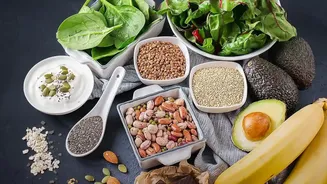
The traditional Indian thali is a masterclass in balanced nutrition. It was never just about rice and roti. A typical thali is designed to incorporate all essential food groups: carbohydrates from grains, protein from dal or legumes, vitamins and fibre from seasonal vegetables (sabzi), and probiotics from curd (dahi). This combination is a form of food synergy. The presence of protein, healthy fats, and fibre slows down the digestion and absorption of carbohydrates. This means the glucose from rice and roti is released more gradually into the bloodstream, preventing the sharp sugar spikes that health experts warn against. The complete meal, with its array of spices and herbs, also boosts immunity and aids digestion.
The Real Culprit: Portion Size and Processing
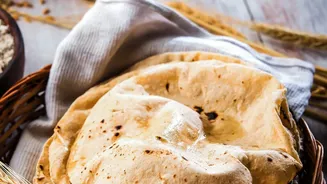
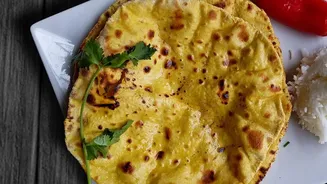
The problem isn't the combination of rice and roti, but the quantity and quality of what we consume. In modern diets, portion sizes have often ballooned while the other essential components of the thali have shrunk. A plate that is 80% grains and only 20% dal and vegetables is unbalanced and will lead to an excess of calories. Furthermore, the type of grain matters. Highly polished white rice has a higher glycemic index (GI) than whole wheat roti, meaning it can raise blood sugar faster. A whole wheat roti, being rich in fibre, has a lower GI and provides more sustained energy. Therefore, the focus should shift from demonising the combination to prioritising portion control and choosing less processed, whole-grain options.
How to Enjoy Rice and Roti Healthily
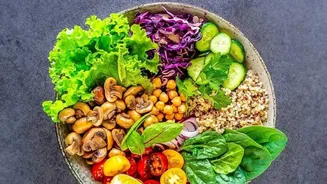
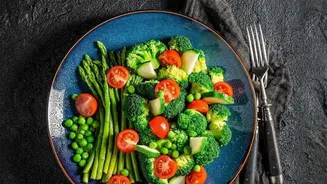
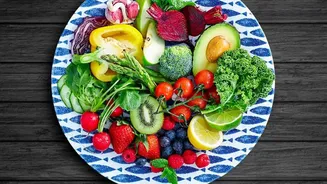
You can absolutely keep both rice and roti on your plate. The key is to do it mindfully. Follow the 'healthy plate' method: fill half of your plate with vegetables (both cooked sabzi and raw salad), a quarter with a protein source like dal, paneer, or chicken, and leave only the remaining quarter for carbohydrates. You can split this quarter between a small portion of rice and one roti. Opt for brown or hand-pounded rice and whole-wheat or multigrain rotis to increase fibre intake. Another effective strategy is 'food sequencing'—start your meal with salad and vegetables. The fibre helps line your stomach and slows down glucose absorption when you eat your carbs. A short walk after meals can also significantly help in managing blood sugar levels.