




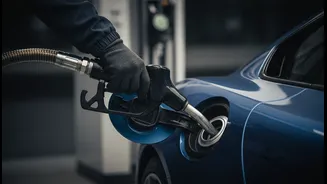


The Viral Mileage Claim
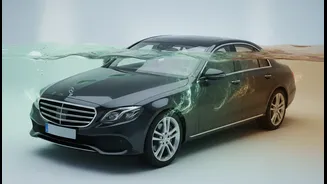
In a video that quickly spread across social media, vlogger Sourav Joshi claimed the fuel efficiency of his Mercedes-Benz GLC SUV plummeted dramatically after he started using E20 petrol. According to Joshi, his car's mileage dropped from a healthy 16-17
kmpl to a shocking 5 kmpl. He noted that the driving range on a full tank, which used to be around 800 kilometres, was now showing only 480 kilometres. This sparked immediate concern not just about fuel economy but also about potential long-term engine damage, a sentiment that resonated with many vehicle owners across the country.
What is E20 Fuel, Anyway?
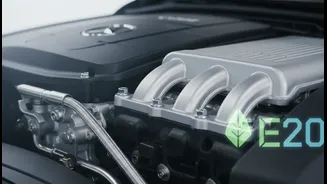
At its core, E20 is a simple blend: 80% petrol and 20% ethanol. The Indian government is championing this blend as part of a major national strategy. The goals are threefold: reduce the country's massive oil import bill, lower vehicular emissions for cleaner air, and provide a stable source of income for India's sugarcane and maize farmers who produce the ethanol. After a phased rollout, E20 has become the standard petrol available at most pumps, meaning it is not just an option but the default fuel for millions of drivers.
The Science of Mileage Drop
So, is there any truth to the mileage concerns? The short answer is yes, a drop is expected, but not to the extreme degree claimed in the viral video. It's a matter of simple physics: ethanol has a lower energy density than pure petrol. This means you need to burn slightly more E20 fuel to produce the same amount of energy as you would with petrol. The government's own Ministry of Petroleum and Natural Gas has acknowledged that E20 fuel can lead to a 3-5% reduction in fuel economy in some vehicles. Auto experts and industry literature often place this expected drop in the 5-10% range, depending on the vehicle and driving conditions. A 70% drop, as suggested by Joshi's numbers, is considered highly improbable from the fuel alone and more likely indicates another issue like a mechanical fault or a contaminated batch of fuel.
Are All Cars Ready for E20?
This is the crucial question for most car owners. In response to the controversy, Mercedes-Benz India issued a statement clarifying that all its BS VI petrol vehicles are fully compatible with E20 fuel and have been certified by relevant authorities. Generally, most cars and two-wheelers manufactured since 2023 are designed to be E20 compliant. Automakers insist they have conducted extensive testing to ensure vehicle reliability. However, concerns persist for owners of older vehicles that were designed when E10 (10% ethanol) was the norm. While the government and industry experts state E20 is safe even for these cars, some consumers have reported issues. The central debate now is less about safety and more about performance trade-offs and the lack of choice at the pump.
What This Means for You
For the average driver, Sourav Joshi's experience serves as a high-profile example of a nationwide conversation. The key takeaway is to be informed. If you drive a car manufactured in the last few years, it is almost certainly built to handle E20 fuel without any issues, though you should expect a minor dip in mileage. For owners of older vehicles, it's wise to consult your car's manual or an authorised service centre if you have concerns. While a catastrophic drop in performance is unlikely to be caused by approved E20 fuel, understanding that a slight decrease in fuel efficiency is a known trade-off is part of adjusting to India's new fuel standard.