






The Communal Kitchen Conundrum
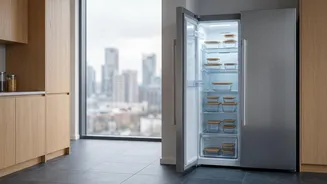
The office pantry is a shared space, not your personal larder. A common mistake is treating the communal refrigerator like a long-term storage unit. Don't store a week's worth of groceries, as this is inconsiderate to colleagues who also need space. Always
label your food to avoid mix-ups. When it comes to cleaning, the rule is simple: if you make a mess, you clean it up. This applies to everything from microwave splatters to coffee spills on the counter. A quick wipe-down prevents food from drying and becoming a scrubbing nightmare for the next person. Leaving dirty dishes in the sink is a major faux pas, creating hygiene issues and unpleasant odours.
The Great Smell Debate
Perhaps the most contentious issue in office lunch history is the pungent meal. While you might love your reheated fish or spicy curry, the aroma can be distracting and unpleasant for your colleagues. Some experts suggest that strong food smells can make people feel like they've lost control over their personal environment, even affecting their mood. Before you hit 'start' on the microwave, consider the aromatic impact of your meal. If you know your lunch is particularly fragrant, it might be best enjoyed at home. When possible, opt for more neutral-smelling options like salads or sandwiches for your in-office meals.
The Art of the Desk Lunch
While eating at your desk is common, it comes with its own set of rules. If you're eating at your workspace, be mindful of noise. Loud crunching, slurping, or noisy wrappers can be highly distracting in a quiet office. Keep your area clean and don't let food containers and crumbs pile up, as this can attract pests. It’s also important to be aware of the social signals you're sending. Constantly eating alone at your desk might make you seem unapproachable or anti-social. While it's perfectly fine some days, making an effort to join colleagues in the breakroom can build camaraderie.
Navigating Social Invitations
Lunch is a prime opportunity for networking and building relationships, but social dynamics can be tricky. When a group is heading out, be inclusive and consider inviting others who might be sitting nearby. If you're the one extending the invitation, be clear about the context—is it a casual group lunch or a more formal outing? If you are invited to a business lunch, remember that it's still a professional setting. Order food that is easy and neat to eat; a messy plate of spaghetti can distract from the conversation. Focus on the discussion, listen actively, and balance your time between eating and engaging with your colleagues.
Microwave and Refrigerator Rules
The microwave and refrigerator are frequent sources of office tension. Don't monopolize the microwave during the peak lunch rush. If you have something that requires a long heating time, consider a different time. Always cover your food to prevent splatters. As for the fridge, respect other people's property. Taking food that isn't yours, even if it's unlabelled, is a major breach of trust. Many offices have a weekly clean-out policy; be sure to remove your old food before it becomes a science experiment. Being mindful of these shared appliances shows respect for the space and for the people you work with.