






The Science of Lift: How Layers Create Volume
A layered haircut involves cutting hair into different lengths to create shape, texture, and dimension. Think of it as a strategic weight-reduction plan for your hair. When hair is all one length, it can be heavy, pulling itself down from the root and appearing
flat. By cutting shorter pieces on top and creating strategic layers throughout, a stylist removes some of this weight. This allows the roots to lift and gives the rest of the hair space to move, creating the illusion of more body and bounce without a drastic chop. The result is enhanced movement and a fuller silhouette, regardless of your hair type.
For Straight Hair: Building Body and Movement
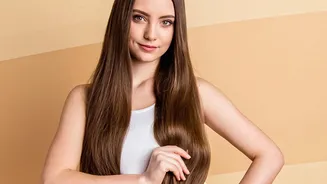
For those with straight hair, the biggest challenge is often a lack of natural body. The wrong kind of layers can look choppy or thin out the ends. The key is to opt for soft, blended, and often longer layers. Long layers that begin around the chin or collarbone add movement and dimension without sacrificing fullness at the perimeter. Feathered layers can also create a soft, airy texture, giving a light and voluminous feel. Another great option is face-framing layers, which add volume around the face and can soften your features without altering your hair’s overall length.
For Wavy Hair: Enhancing Your Natural Texture
Wavy hair has natural movement, but it can also be weighed down or take on a triangular shape. Layers are the perfect solution to release your hair's potential. Well-placed layers remove bulk, allowing your natural wave pattern to spring up and form more defined, bouncy waves. Styles like the shag, wolf cut, or a layered lob (long bob) are particularly effective. These cuts use choppy, textured layers to enhance volume, especially at the crown. For a less dramatic look, ask for long layers that remove weight through the middle of the hair, allowing the wave pattern to show up instead of being pulled straight.
For Curly Hair: Defining Shape and Preventing Bulk
Curly hair benefits immensely from layers, which are crucial for preventing the dreaded 'pyramid' shape where hair is flat at the top and wide at the bottom. Layering curly hair adds shape, enhances the curl pattern, and distributes volume more evenly. Shorter layers around the crown can provide significant lift. Many stylists recommend a dry cut for curly hair, as it allows them to see how each curl naturally falls and cut the layers accordingly to build the desired shape. The goal is to create space for curls to live, giving them more bounce and definition from root to tip.
How to Ask for the Right Layers
Communication with your stylist is everything. Don't just say "give me layers." Be specific about your goal. Use phrases like, "I want to add volume at the roots without losing length," or "I'd like soft, blended layers that add movement." Bringing inspiration photos is one of the best ways to show your stylist what you want, but be sure to find examples with a hair texture similar to your own. You can also point to where you want the layers to start—for example, specifying face-framing layers that begin at your chin. A good stylist will listen and suggest the best technique for your hair type and face shape to achieve that coveted lift and body.