


Assess Your Balcony’s Sunlight
The single most important factor for a flowering plant is sunlight. Before you fall in love with a particular flower, observe your balcony's light patterns. Does it get harsh, direct sun for most of the day, or is it mostly shady? A south or west-facing
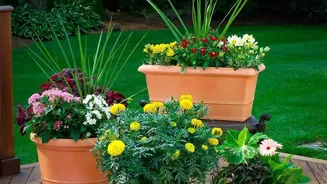
balcony is considered 'full sun', receiving over 6 hours of direct light, while a north-facing one is 'low light'. Plants that thrive in full sun include Bougainvillea, Hibiscus, Marigolds, and Petunias. For balconies with less direct sun, consider Begonias, Impatiens, or Peace Lilies, which can still produce lovely blooms in shadier conditions.
Consider Your Available Space
Urban balconies are notoriously compact. It's crucial to think about a plant's size at maturity, not just how it looks in its small nursery pot. A plant that looks small today could quickly outgrow its designated spot. Look for dwarf or compact varieties of popular plants like Ixora or Roses. Also, think vertically. Trailing plants in hanging baskets or climbers like Aparajita (Blue Pea) and Chameli (Jasmine) on a small trellis can maximize your green space without cluttering the floor. Before purchasing, check the plant's label or ask the nursery staff about its eventual height and spread.
Match the Plant to the Pot
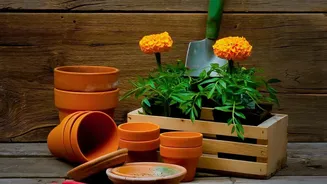
The pot is your plant's home, and size matters. A pot that is too small will restrict root growth, causing the plant to become 'root-bound' and stunted. Conversely, a pot that is too large can hold excess water, leading to root rot. A good rule of thumb is to choose a new pot that is 2 to 4 inches wider in diameter than the nursery pot the plant came in. Ensure any pot you choose has drainage holes at the bottom to let excess water escape—this is non-negotiable for plant health. For larger shrubs like Parijat, you will need a correspondingly large and sturdy container.
Evaluate Water and Maintenance Needs
Be honest about how much time you can dedicate to your garden. Some plants are thirstier than others. If you have a busy schedule or travel often, look for drought-tolerant options. Bougainvillea, Portulaca (Moss Rose), and Adenium (Desert Rose) are fantastic choices that can withstand heat and require less frequent watering once established. Plants like Jasmine and Roses may require more regular attention, including specific watering and feeding schedules. Always check the soil before watering; a common beginner mistake is to overwater. Let the top inch or two of soil dry out first.
Inspect for Health at the Nursery
Don't just grab the plant with the most flowers. The healthiest plants are often those with lots of buds ready to open, as they will adapt better to your home. Before buying, give the plant a thorough check-up. Look for lush, evenly coloured leaves. Avoid plants with yellowing leaves, brown spots, or visible holes, as these can be signs of stress, pests, or disease. Gently check under the leaves and around the stems for any sticky residue or tiny insects. Also, peek at the root system. Healthy roots should be firm and white or light tan, not brown and mushy, which indicates root rot.
Think About Blooming Seasons
To enjoy colour on your balcony for as long as possible, consider a mix of plants that flower at different times. Many popular choices in India are seasonal. Marigolds, for example, are fantastic for bringing colour in the cooler months, while heat-loving flowers like Vinca (Sadabahar) and Lantana will power through the summer. Incorporating perennials—plants that live for more than two years—like Hibiscus or Bougainvillea, provides a stable, year-round green structure to your garden, which you can supplement with seasonal annuals for continuous blooms.