






A Distant Conflict's Immediate Impact
While geographically separate, the ongoing conflict in West Asia has become a central theme at the 49th ASEAN Summit. Philippine President Ferdinand Marcos Jr., the summit's host, acknowledged that the crisis poses direct risks to the region, disrupting
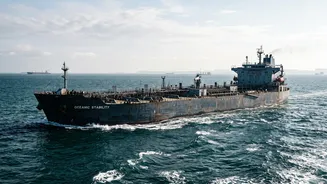
vital transport, energy, and food supplies. The primary cause for concern stems from attacks on commercial shipping in the Red Sea, a critical maritime route that connects Asia and Europe via the Suez Canal. These attacks have forced major shipping lines to reroute vessels around Africa, adding 10 to 15 days to transit times and dramatically increasing freight and insurance costs. With approximately 12-15% of global trade and a significant portion of Asia's energy supplies passing through this channel, the disruptions are creating a ripple effect across the globe.
Energy Security at the Forefront
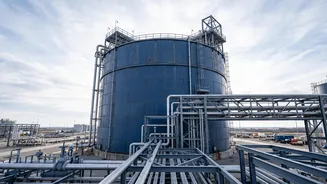
For the import-dependent economies of Southeast Asia, the most immediate vulnerability is energy security. The region relies heavily on the Middle East, which supplied around 60% of its crude oil and one-third of its natural gas before the current crisis. The instability has led to volatile fuel markets and higher energy prices, forcing some ASEAN governments to introduce subsidies and tax relief to shield households and businesses from the economic shock. In response, ASEAN leaders are calling for the uninterrupted flow of oil and gas and are discussing activating regional mechanisms like the ASEAN Framework Agreement on Petroleum Security. This agreement would allow member states to support each other with energy supplies during a crisis on a voluntary basis. There is also a renewed push to accelerate the ASEAN Power Grid, which aims to improve electricity connectivity across the region and diversify energy sources away from oil.
The Threat of Inflation and Supply Chain Woes
Beyond fuel, the surge in shipping costs affects a wide range of goods, threatening to drive up inflation across Southeast Asia. The price of everything from European dairy products and wheat to electronics and automotive parts is impacted by the longer, more expensive shipping routes. This has led to port congestion in key regional hubs like Singapore and has delayed the delivery of essential goods, hampering production for many businesses. Economists have warned that the crisis could contribute to 'stagflation'—a toxic combination of high inflation and low economic growth. ASEAN economic ministers have expressed deep concern that these disruptions are creating significant uncertainty for businesses and could hinder the region's overall economic progress.
India's Stake in a Stable ASEAN
The economic tremors felt by ASEAN are also a significant concern for India. The ASEAN bloc is one of India's major trading partners, with merchandise trade totalling over $128 billion in the last fiscal year. However, this relationship is already facing headwinds, with a growing trade deficit for India, which has ballooned to over $51 billion. Any economic slowdown or inflationary pressure in Southeast Asia could further impact this trade dynamic. The crisis also highlights the shared vulnerability of Asian economies to disruptions in global supply chains. Analysts note that enhanced regional cooperation between India and ASEAN is necessary to counter such external shocks. India's 'Act East' policy, which aims for deeper strategic and economic integration with the region, relies on a stable and prosperous Southeast Asia, making the outcomes of the ASEAN summit's discussions critically important for New Delhi.