


Why the sudden Mediterranean craze?
This growing trend isn't just about trying new recipes; it's a conscious move towards a lifestyle that balances health, flavour, and simplicity. The Mediterranean diet, long celebrated for its health benefits, focuses on plant-based foods, healthy fats,
and lean proteins. Research consistently links this way of eating to a lower risk of heart disease, better weight management, and improved overall health. In a world of growing health awareness, many Indian households are drawn to its principles. Both Indian and Mediterranean cuisines share a love for fresh produce and legumes, making the fusion feel natural and accessible. The key difference lies in the flavour base: where Indian cooking often relies on a masterful blend of ground spices, Mediterranean dishes lean on the fresh zest of herbs and the richness of olive oil.
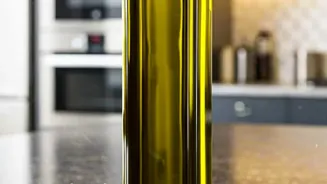
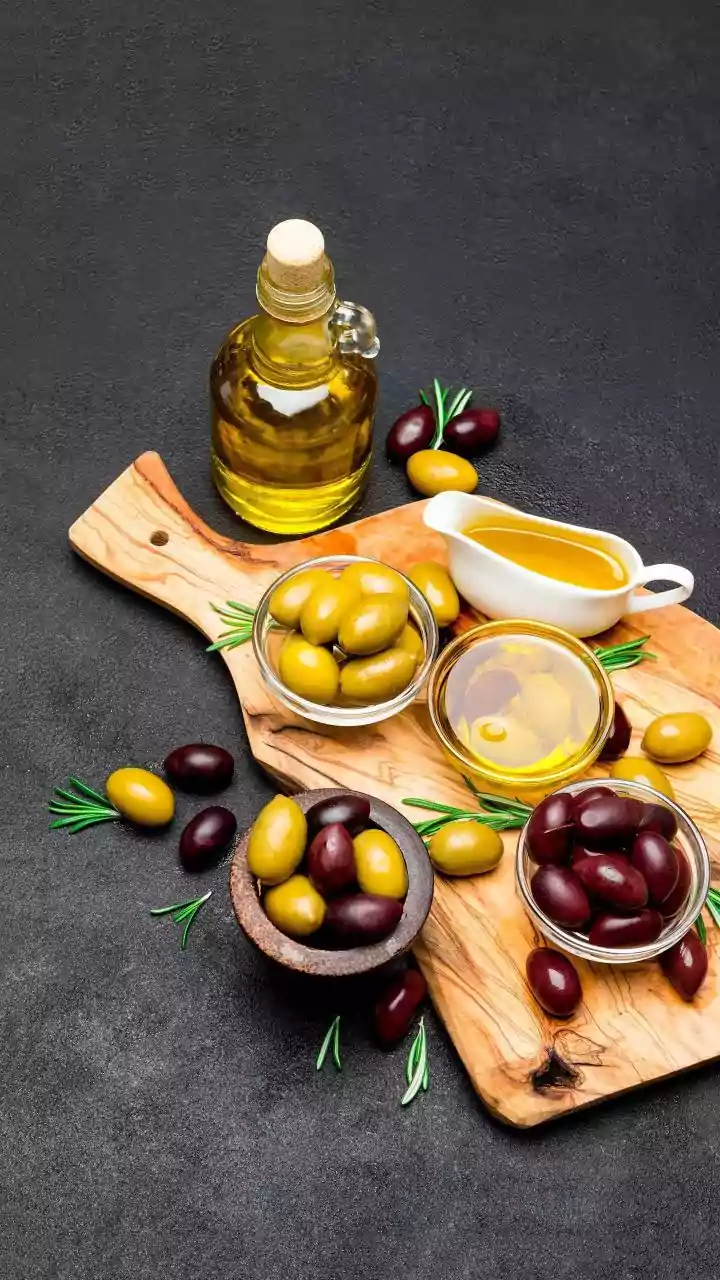
The Golden Touch of Olive Oil
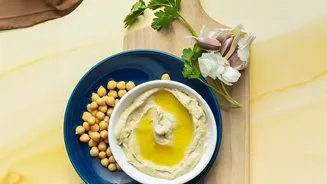
Once a niche product, olive oil is now a common sight on supermarket shelves and in pantries. While traditionally seen as a salad dressing, its versatility is being discovered by more home cooks. Extra virgin olive oil, with its robust flavour, is perfect for drizzling over finished dishes like hummus or roasted vegetables. For everyday cooking, more neutral varieties of olive oil are being adopted as a healthier alternative to traditional fats, adapting surprisingly well to Indian cooking styles without overpowering the taste of the dish. This shift is driven by a desire for heart-healthy fats, as olive oil is rich in monounsaturated fats and antioxidants.
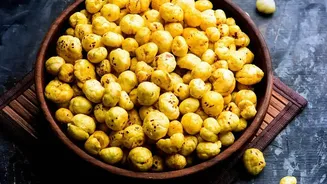
Chickpeas: A Familiar Friend in a New Avatar
Chickpeas, or chana, are a cornerstone of Indian cuisine, from rich curries to street-side snacks. India is the world's largest producer of chickpeas, so it's a familiar and beloved ingredient. The Mediterranean influence is inspiring new ways to enjoy this versatile legume. Instead of just being part of a gravy, chickpeas are now being blitzed into creamy hummus, roasted for a crispy snack, or tossed into refreshing salads. These preparations are often lighter and quicker, fitting perfectly into busy modern lifestyles. Dishes like baked falafel offer a high-protein, gluten-free alternative to fried snacks, while a simple chickpea salad with cucumbers and tomatoes makes for a quick and nutritious lunch.
A Symphony of Fresh Herbs
The demand for fresh herbs like oregano, rosemary, basil, and parsley is growing steadily in India. These herbs are central to Mediterranean cooking, providing immense flavour without adding fat or salt. Their increasing availability, both in stores and through online delivery services, has made it easier than ever for home cooks to experiment. The Indian exotic herbs market is projected to grow significantly, driven by rising consumer awareness of their health benefits and culinary uses. A sprinkle of fresh parsley over a lentil soup, some oregano in a tomato sauce, or basil in a salad can instantly elevate a simple dish, adding a layer of freshness that dried herbs cannot match.
Making Mediterranean Flavours Your Own
Incorporating these staples into your daily meals doesn't require a complete overhaul of your kitchen. It’s about simple swaps and additions. You can start by making a quick Greek salad, using paneer as a substitute for feta cheese. Try blending your own hummus to serve with roti or vegetable sticks—it’s easier than you think. When making a sabzi, a final drizzle of extra virgin olive oil can add a new dimension of flavour. You can even create simple fusion dishes, like a souvlaki-style chicken tikka marinated with lemon, olive oil, and herbs. The beauty of this trend is its flexibility and its focus on making wholesome, delicious food with ingredients that are increasingly easy to find.