







The Tiny Seed with Big Benefits
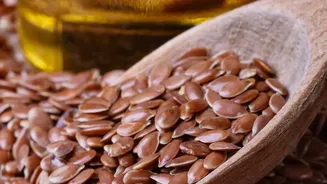
So, what makes flaxseed a nutritional powerhouse? It’s rich in three key components. First is alpha-linolenic acid (ALA), a type of plant-based omega-3 fatty acid that is beneficial for heart health. Second, it's an excellent source of dietary fiber,
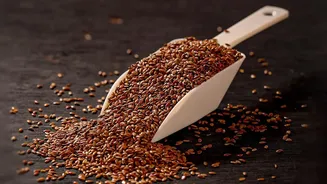
containing both soluble and insoluble types. This combination helps you feel full longer, aids digestion, and can help maintain steady blood sugar levels. Finally, flaxseed is loaded with lignans, which are compounds that have antioxidant properties. To get these benefits, however, you need to use ground flaxseed, also called flax meal. The hard outer shell of whole flaxseeds is difficult for your body to break down, meaning the nutrients pass through undigested. You can buy it pre-ground or grind whole seeds yourself in a coffee grinder.
Power Up Your Smoothies
Adding flaxseed to a smoothie is perhaps the easiest way to incorporate it into your diet. A tablespoon or two of ground flaxseed is all you need. It blends in seamlessly, adding a subtle, slightly nutty flavour that complements most fruit and vegetable combinations. Beyond the nutritional boost, ground flaxseed acts as a natural thickener. As it absorbs liquid, it gives your smoothie a richer, creamier texture and helps prevent it from separating as it sits. Simply toss it in with your other ingredients before blending. For best results, drink your smoothie shortly after making it, as it will continue to thicken over time. Store any pre-ground flaxseed in the refrigerator or freezer to keep its delicate oils from going rancid.
Flipping for Flax Pancakes
Give your weekend breakfast a healthy makeover by mixing ground flaxseed into your pancake batter. For a standard batch of pancakes, start by adding two to three tablespoons of flax meal to your dry ingredients. You may need to add a splash more milk or water, as the flax will absorb some of the liquid. Not only does it add fiber and nutrients, but flaxseed can also improve the texture of your pancakes, making them heartier and more satisfying. It’s also a fantastic ingredient in vegan or egg-free baking. You can create a “flax egg” by mixing one tablespoon of ground flaxseed with three tablespoons of water and letting it sit for about five minutes until it forms a gel. This can replace a regular egg in most pancake recipes, acting as an effective binder.
Effortless Snack Upgrades
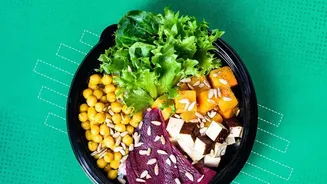
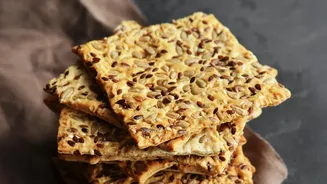
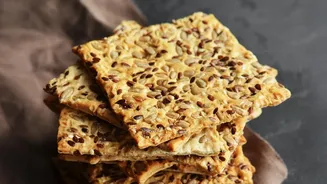
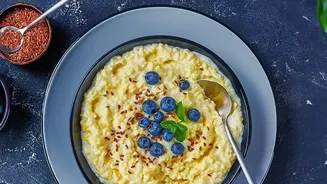
Flaxseed shines in its ability to elevate simple snacks. Stir a tablespoon of ground flaxseed into a container of yogurt or a bowl of oatmeal for an instant fiber and omega-3 boost. For a simple, no-bake snack, mix ground flaxseed with oats, nut butter, and a sweetener like honey to create energy bites. You can also sprinkle it over salads or mix it into hummus. If you enjoy baking, try making your own flax crackers by combining ground and whole flaxseeds with flour, water, and seasonings for a crunchy, savoury treat. Adding a few tablespoons of milled flaxseed into a jar of natural peanut butter can even help absorb the separated oil, preventing the need to stir every time.
A Few Things to Keep in Mind
While flaxseed is generally safe and healthy, there are a few tips for getting started. Most experts suggest a daily intake of one to two tablespoons of ground flaxseed is a healthy amount. If you're new to high-fiber foods, start with a smaller amount, like a teaspoon, and gradually increase your intake to allow your digestive system to adjust. Because flaxseed is so high in fiber, it’s important to drink plenty of water throughout the day to avoid bloating or constipation. Raw or unripe flaxseeds should be avoided. Due to its potential hormonal effects and impact on blood clotting, it's best to consult a healthcare professional before adding flaxseed to your diet if you are pregnant, breastfeeding, or taking medications for blood pressure, diabetes, or blood thinners.