



India is a land of astonishing contrasts, where geography and human spirit combine to create wonders found nowhere else. From soaring mountains to drenched rainforests, the country is home to several destinations that hold unique world records.
Ladakh: The Roof of the Motoring World
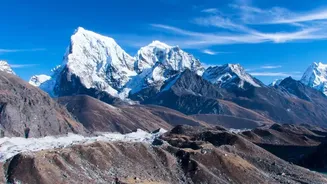
The high-altitude
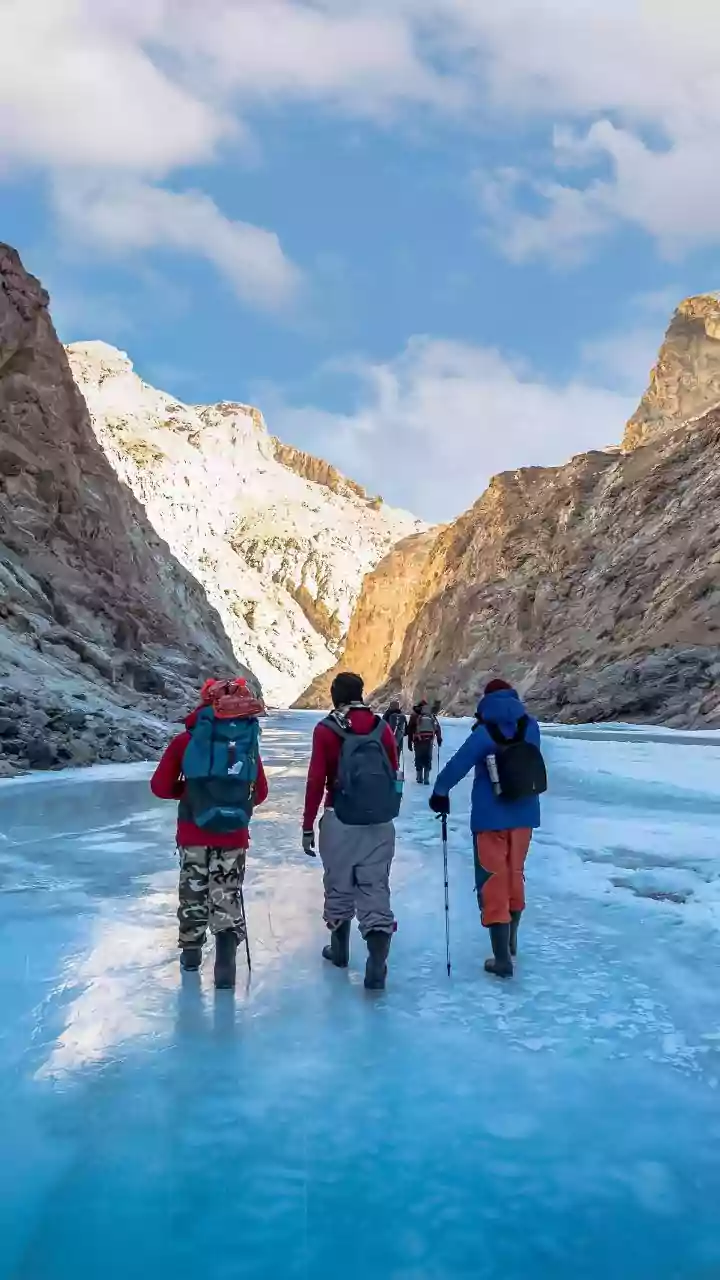
landscape of Ladakh is not just visually stunning; it is a region of superlatives. It proudly hosts the world's highest motorable road at the Mig La pass, which stands at a staggering altitude of 19,400 feet. Constructed by the Border Roads Organisation (BRO), this engineering marvel surpassed the previous record-holder, Umling La, also in Ladakh. These roads are more than just a bucket-list item for thrill-seekers; they are strategic lifelines connecting remote border villages. Driving here is a true test of endurance, with thin air and extreme weather, but the reward is an unparalleled view of the stark, majestic beauty of the Changthang Plateau, a landscape that feels closer to the sky than to the earth. The journey through this cold desert, with its snow-capped peaks and endless horizons, solidifies Ladakh's reputation as a destination for the truly adventurous.
Mawsynram: The Wettest Place on Earth
In stark contrast to the arid heights of Ladakh is Mawsynram, a village in the East Khasi Hills of Meghalaya. It holds the Guinness World Record for the highest average annual rainfall on the planet. With an average of 11,872 millimetres of rain each year, the landscape is a testament to the power of water. Life in Mawsynram has adapted uniquely to the constant downpour. Villagers use 'knups,' which are traditional full-body umbrellas woven from bamboo and grass, to shield themselves from the rain. The relentless monsoon makes farming difficult, but it nourishes a landscape of incredible lushness, with cascading waterfalls and dense green forests. The sound of rain is a constant companion here, and even bridges are grown from the living roots of rubber trees, as conventional materials would quickly rot away in the damp conditions.
Majuli: The World's Largest River Island
Nestled in the mighty Brahmaputra River in Assam, Majuli holds the distinction of being the world's largest river island, a record acknowledged by Guinness. This serene island is not just a geographical wonder but also the cultural heart of Assamese Neo-Vaishnavite philosophy. It is home to several ancient 'satras' or monastic centres, which preserve traditional arts like mask-making, dance, and music. Accessible only by ferry, a journey to Majuli feels like stepping back in time. The island's landscape is a patchwork of emerald rice paddies, wetlands teeming with migratory birds, and villages where life moves at a gentle pace. However, this unique paradise is under constant threat from erosion by the Brahmaputra, making a visit to this vanishing land an even more poignant experience.
Keibul Lamjao: The Only Floating National Park
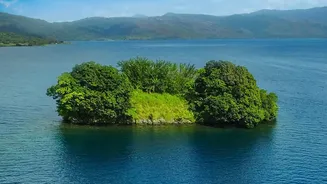
In Manipur lies one of the most surreal ecosystems on the planet: the Keibul Lamjao National Park. It is the world's only floating national park, an integral part of Loktak Lake. The park is made of 'phumdis', which are thick, buoyant masses of vegetation, soil, and organic matter that float on the water's surface. Walking on this spongy, bouncing ground is an experience in itself. This unique habitat is the last natural refuge of the endangered Sangai, or 'dancing deer'. This graceful animal has adapted to its unstable environment, and its delicate, rhythmic gait as it moves across the phumdis gives it its famous nickname. The park, which is on the tentative list for UNESCO World Heritage status, is a vibrant ecosystem and a vital sanctuary for both the Sangai and many other species that call this floating world home.