

Start in Florence: The Heart of the Renaissance
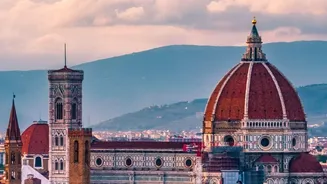
Florence is the natural starting point for any Tuscan adventure, a city bursting with world-famous art. The key to enjoying it without exhaustion is to be selective. Instead of trying to see every museum, focus on one or two masterpieces. Pre-book tickets
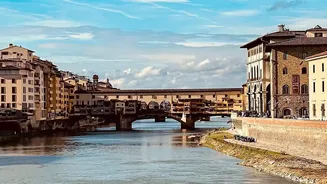
for the Uffizi Gallery to marvel at Botticelli’s “The Birth of Venus” and the Galleria dell'Accademia to see Michelangelo’s “David.” By securing your entry time in advance, you can bypass the longest queues, saving precious hours. Spend the rest of your time simply wandering the city, crossing the Ponte Vecchio, and soaking in the atmosphere at a café in the Piazza della Signoria. Treat Florence not as a checklist, but as an immersive introduction to the artistic soul of the region before you pick up your rental car and head for the countryside.
The Chianti Classico Route: Vineyards and Villages
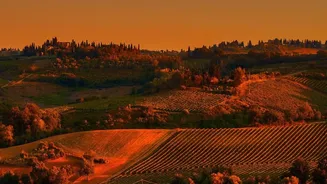
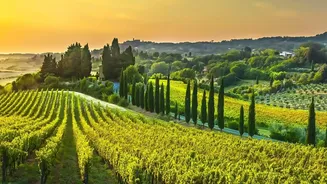
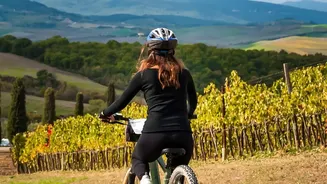
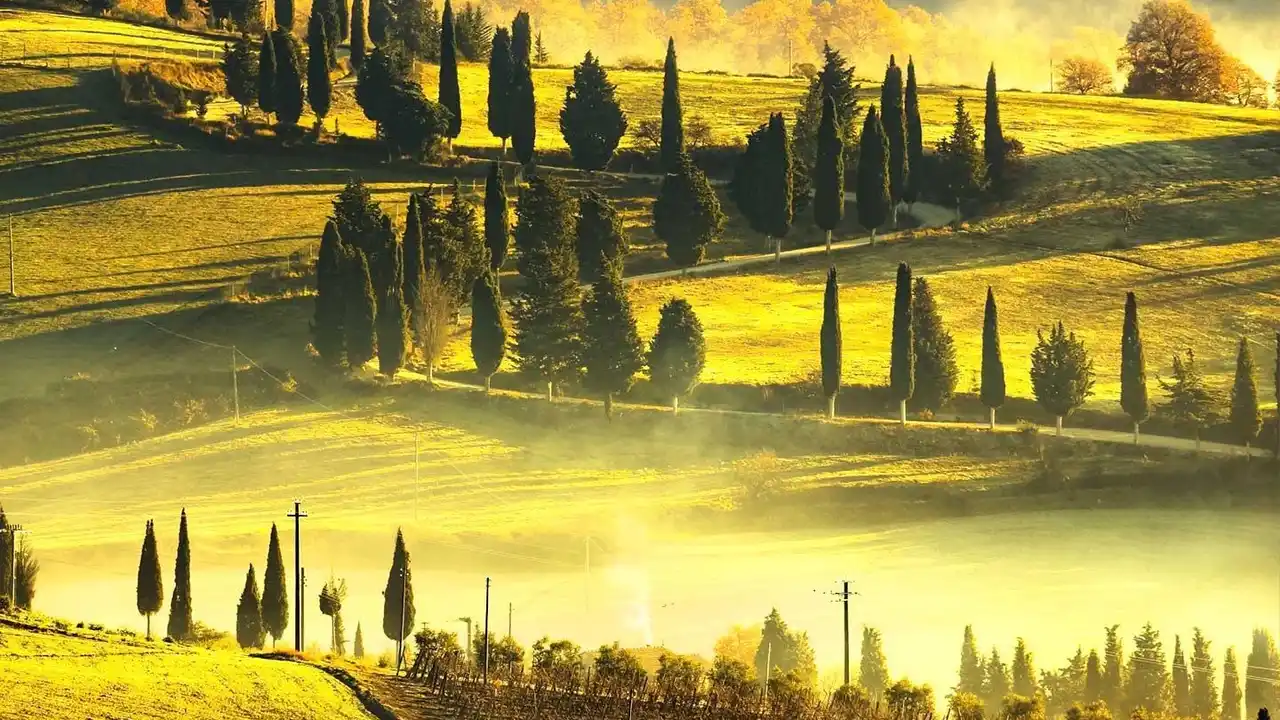
Leaving Florence, skip the main highway and take the scenic SR 222, also known as the Via Chiantigiana. This road winds its way south towards Siena through the heart of the Chianti Classico wine region. The drive itself is an attraction, with rolling hills covered in vineyards and olive groves. Your first stop could be Greve in Chianti, a bustling market town that serves as the unofficial capital of the region. Further south, you'll find Panzano, home to famous butchers and stunning views. The best approach is to pick one or two wineries for a tour and tasting. Many, from grand castles to small family-run estates, welcome visitors, but it's wise to book ahead. This leg of the journey is about savouring the landscape and the local produce, not racing between towns.
Siena and its Medieval Splendour
After the rustic charm of Chianti, Siena offers a different kind of magic. This perfectly preserved medieval city is built around the magnificent Piazza del Campo, a shell-shaped public square that hosts the famous Palio horse race. Spend an afternoon here, climbing the Torre del Mangia for panoramic views. Siena’s Duomo is another unmissable sight, a marvel of black and white striped marble, both inside and out. The city is more compact and arguably more manageable than Florence, making it an ideal place to spend a night or two. It serves as a perfect base, allowing you to explore its Gothic streets in the evening after the day-trippers have departed.
Val d'Orcia: Postcard-Perfect Landscapes
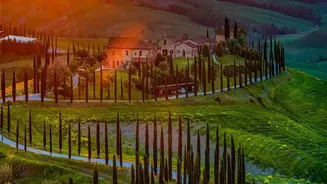
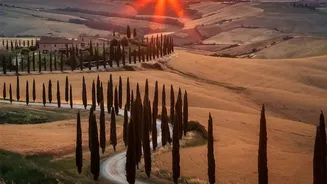
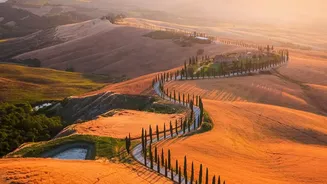
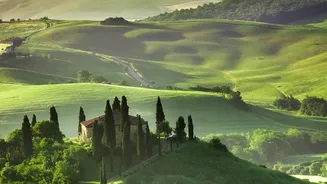
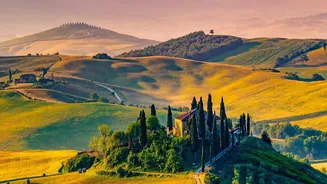
South of Siena lies the Val d'Orcia, a UNESCO World Heritage site that embodies the classic Tuscan landscape. This is where you’ll find those iconic scenes of cypress-lined roads, golden rolling hills, and charming hilltop towns. The drive through this region is breathtaking. Make a stop in Pienza, the “ideal city of the Renaissance,” known for its urban design and delicious Pecorino cheese. Nearby Montepulciano is another must-visit, famous for its Vino Nobile red wine and elegant palaces. The beauty of the Val d'Orcia is not just in its towns but in the spaces between them. Don't be afraid to pull over at a scenic viewpoint, like the one overlooking the Cappella Madonna di Vitaleta, and simply take in the view.
The Art of Slow Travel
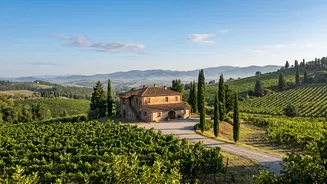
The secret to combining these elements without rushing is to adopt a “slow travel” mindset. Don't try to change locations every night. Instead, consider using a centrally located agriturismo—a working farm stay—as your base for two or three nights. This allows you to unpack, relax, and take day trips without the constant hassle of checking in and out. Prioritise your interests. If you're a wine lover, dedicate more time to the vineyards of Chianti or Montalcino. If art is your passion, add an extra day in Florence. The best Tuscan road trip isn't about seeing everything on a list; it’s about having the flexibility to stop for a long lunch, follow a promising-looking side road, or spend an entire afternoon reading a book with a view over the hills. This approach ensures you leave feeling restored, not exhausted.