






Understanding the Cooling Sensation
A peppermint compress is a cloth soaked in cool or warm water infused with peppermint. The key to its power lies in menthol, the primary active compound in peppermint. Menthol doesn't actually lower the temperature of your skin; instead, it triggers cold-sensitive
receptors in your nerve endings. This creates a powerful cooling sensation that can distract your brain from underlying pain signals, a process known as a counterirritant effect. This 'trick' on the nervous system is why peppermint can feel so uniquely soothing on the skin. Beyond the cooling feeling, peppermint oil also possesses anti-inflammatory and antispasmodic properties, which may help relax muscle tension.
Soothing Headaches and Tension
One of the most popular uses for a peppermint compress is to alleviate tension headaches. When you feel that familiar pressure building in your temples or across your forehead, a cold peppermint compress can provide welcome relief. The cooling sensation helps numb the area and relax tense muscles. Research, though limited, suggests that topically applied peppermint oil can be effective for tension headaches. For sinus headaches accompanied by congestion, inhaling the steam from a bowl of hot water with a few drops of peppermint oil may also help open nasal passages.
Easing Sore Muscles and Aches
After strenuous physical activity, a peppermint compress can be a comforting remedy for sore, overworked muscles. For acute inflammation or swelling from a recent strain, a cold compress is ideal as it helps constrict blood vessels and reduce swelling. For chronic stiffness or general muscle tightness, a warm compress may feel more soothing, as the heat helps increase blood flow and relax the muscles. The analgesic (pain-relieving) and antispasmodic properties of peppermint oil can help calm the spasms that contribute to muscle cramps and discomfort.
Providing Comfort During a Fever
A cool peppermint compress applied to the forehead or the back of the neck is a traditional method for providing comfort during a fever. It’s important to understand that while the cooling sensation of menthol can make you feel better, it does not actually 'cure' the fever or treat the underlying illness. Think of it as a supportive comfort measure that can make the experience of having a fever more bearable. It can be particularly pleasant, but it is not a substitute for rest, hydration, or medical care if the fever is high or persistent.
How to Make a Simple Peppermint Compress
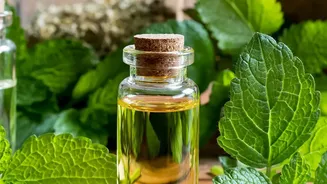
Creating your own peppermint compress at home is simple. First, you must dilute the peppermint essential oil, as applying it directly to the skin can cause irritation. Mix 3 to 5 drops of peppermint essential oil with a tablespoon of a carrier oil, like coconut, jojoba, or almond oil. Next, fill a bowl with either cool or warm water, depending on your needs. Add the diluted oil mixture to the water. Submerge a clean washcloth or small towel, wring out the excess water, and apply it to the desired area, such as your forehead, the back of your neck, or a sore muscle, for 10 to 15 minutes.
Safety First: When to Be Cautious
While generally safe when used correctly, peppermint oil is potent and requires caution. Never apply undiluted essential oil directly to your skin, as it can cause irritation, rashes, or a burning sensation. Always perform a patch test on a small area of skin before widespread use to check for an allergic reaction. Keep the oil and compress away from your eyes to avoid significant irritation. Furthermore, peppermint oil should not be applied to the faces of infants or young children, as inhaling the concentrated menthol can cause serious breathing problems. If you are pregnant, breastfeeding, or have underlying health conditions, it is best to consult a healthcare provider before use.