


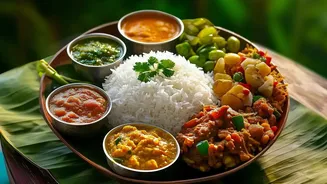
The Vegetarian Health Paradox
For many, a vegetarian lifestyle is synonymous with good health. While plant-based diets can be incredibly nutritious, they are not automatically protective against type 2 diabetes. The issue lies in the overall composition of the meal. In India, many vegetarian diets have
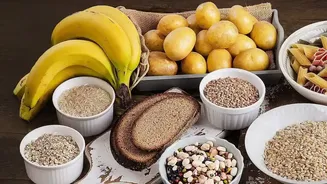
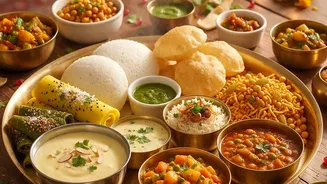
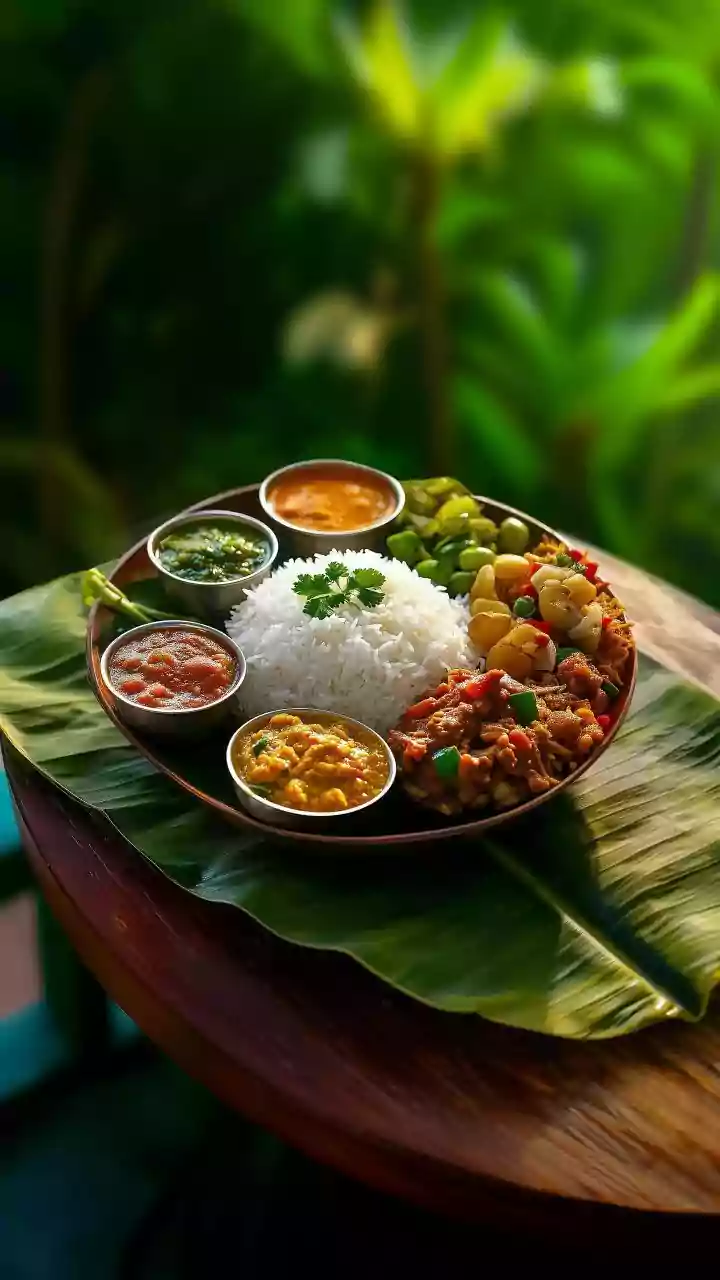
become heavily reliant on refined carbohydrates, which can pose a significant risk. The shift from traditional, less-processed grains to modern, highly-polished white rice and refined wheat flour (maida) has changed the nutritional profile of the average Indian plate, making it carbohydrate-dense and often lacking in adequate protein and fibre.
Why White Rice Is a Major Factor
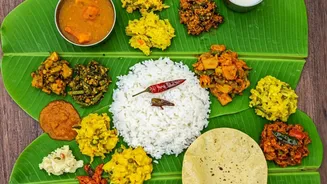
White rice is a staple in millions of Indian households, but it is also a high-glycemic index (GI) food. The glycemic index ranks foods based on how quickly they raise blood glucose levels. The polishing process that gives white rice its appealing texture strips away the bran and germ, removing vital nutrients like fibre and B vitamins. This makes it a simple carbohydrate that the body digests rapidly, causing a sharp spike in blood sugar. Over time, frequent blood sugar spikes can strain the body's ability to produce and use insulin effectively, increasing the risk for type 2 diabetes. Large-scale studies have shown a clear link between high white rice consumption and an increased diabetes risk, with the association being particularly strong in South Asian populations who have the highest average intake.
It’s About More Than Just Rice
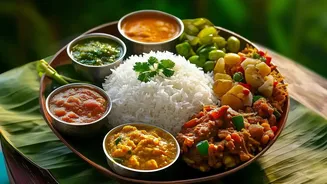
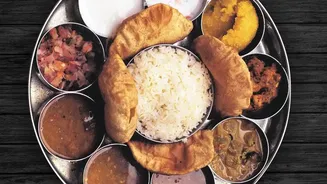
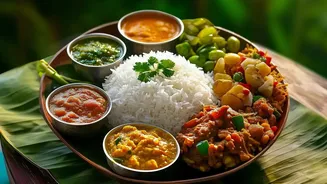
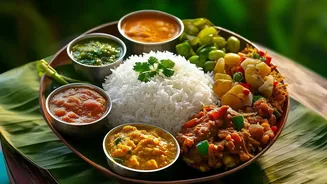
While large servings of rice are a key concern, the broader issue is the imbalance on the plate. An average Indian diet gets over 60% of its calories from carbohydrates, with protein intake being relatively low. A typical meal might consist of a large portion of rice or several rotis with a smaller serving of dal and sabzi. This combination delivers a high glycemic load, meaning the total amount of carbohydrates consumed causes a significant and sustained rise in blood sugar. The lack of sufficient protein and fibre—which help slow down digestion and glucose absorption—worsens this effect. A meal of roti with a potato-based curry, for example, is essentially a combination of two high-carbohydrate sources without a strong protein anchor.
Building a Diabetes-Friendly Thali
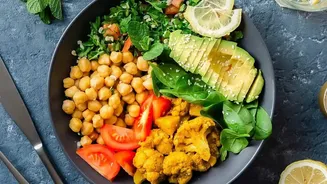
The goal is not to eliminate rice or rotis but to rebalance the plate. According to the Indian Council of Medical Research (ICMR), portion control and a focus on nutrient-rich foods are key. A diabetes-friendly vegetarian meal should follow a simple rule: fill half your plate with non-starchy vegetables (like spinach, cauliflower, beans, and brinjal), a quarter with a good protein source, and the final quarter with carbohydrates. This 'plate method' ensures you get ample fibre, vitamins, and minerals from vegetables, sustained energy from protein, and controlled portions of carbohydrates.
Smart Swaps and Simple Habits
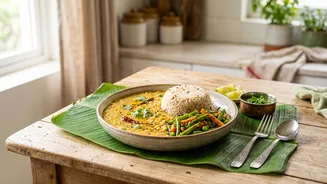
Making an Indian vegetarian diet healthier for diabetes management involves a few simple but effective changes. Instead of white rice, consider options like brown rice, which has a lower GI, or traditional millets such as jowar, bajra, and ragi. When eating rice, pair it with plenty of dal, legumes, or a generous salad to increase the meal's fibre and protein content, which helps to lower its overall glycemic impact. Similarly, rotis made from whole wheat are better, but alternating with chillas made from moong dal or besan can boost protein intake. Adding sources of lean protein like paneer, tofu, curd, and sprouts to your meals is crucial for balancing blood sugar. Even a short 10-minute walk after meals can help your muscles use the glucose from your food, further aiding blood sugar control.