


A Culinary Homecoming
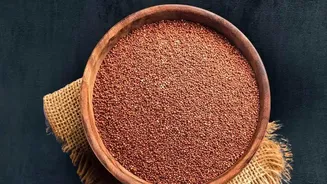
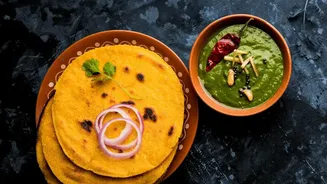
Not long ago, millets like jowar (sorghum), bajra (pearl millet), and ragi (finger millet) were seen as humble, rustic foods. They were the bedrock of traditional Indian diets for thousands of years, forming the basis of everything from sturdy rotis in Maharashtra
to the nourishing porridges of South India. Similarly, seeds like flax (alsi) and sesame (til) were quiet workhorses in regional cooking. Today, these ingredients are having a major moment. Urban cafes feature millet upma and ragi pancakes, while fine-dining restaurants are experimenting with seed-crusted fish and bajra khichdi. This isn't just about nostalgia; it's a full-circle return to foods that are deeply rooted in Indian culture, now being appreciated for their flavour, versatility, and powerful health benefits.
The Nutritional Powerhouses
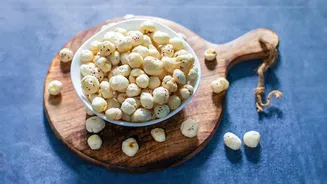
A huge driver of this trend is the incredible nutritional profile of these foods. Millets are celebrated for being rich in dietary fibre, protein, and essential minerals. Ragi, for instance, is a calcium champion, excellent for bone health. Bajra is packed with iron, while jowar offers antioxidants and fibre that support heart health and digestion. Crucially, most millets have a lower glycemic index than refined grains, which helps in managing blood sugar levels, and they are naturally gluten-free. Meanwhile, seeds are tiny but mighty sources of nutrition. Chia seeds are loaded with omega-3 fatty acids and fibre, helping with digestion and heart health. Pumpkin seeds offer protein, magnesium, and zinc, while flaxseeds are known for supporting hormonal balance. This combination of benefits makes them a perfect fit for modern wellness goals.
From Forgotten Foods to Future-Ready Grains
For centuries, millets were the backbone of Indian agriculture, perfectly adapted to grow in arid, drought-prone regions with minimal water. However, the Green Revolution in the mid-20th century, which prioritized high-yield varieties of wheat and rice, pushed millets to the sidelines. They became stereotyped as "coarse grains" or food for the poor. That perception is now changing dramatically. With growing concerns about climate change and water scarcity, the resilience of millets makes them a sustainable crop for the future. Recognising this, the Indian government and the United Nations declared 2023 as the International Year of Millets, a move that massively boosted awareness and encouraged farmers to return to cultivating these hardy grains.
The Modern Wellness Wave
The global shift towards healthier eating has created the perfect environment for a millet and seed revival. As consumers increasingly seek out "superfoods," gluten-free options, and plant-based protein, these ingredients fit the bill perfectly. Social media has played a huge role, with fitness influencers and food bloggers showcasing colourful smoothie bowls topped with chia seeds and innovative millet recipes. This has helped rebrand these traditional ingredients as trendy and aspirational. The demand for clean, natural, and nutrient-dense foods has moved from a niche market to the mainstream, and seeds and millets are at the forefront of this movement.
Chefs and Cafes Leading the Charge
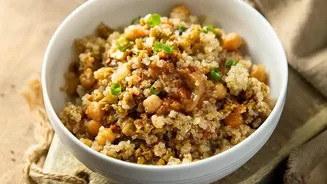
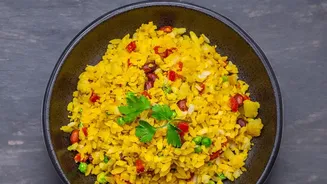
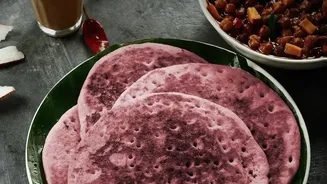
Modern chefs are reinventing how we eat seeds and millets. They are moving beyond simple rotis and porridges to create sophisticated and delicious dishes. You can now find everything from millet biryani and foxtail millet pulao to ragi-based pasta and even beer brewed from millets. By incorporating these ingredients into familiar formats like idlis, dosas, and khichdi, and also into new-age creations like cutlets and desserts, chefs are making them more accessible and appealing to a new generation of diners. They are proving that healthy eating doesn't have to be boring and that India's own culinary heritage holds the key to exciting and nourishing food experiences.