







A New Philosophy: Strive for Clarity
Audi is embarking on a significant transformation guided by a new design philosophy dubbed "Strive for Clarity." This approach, spearheaded by new design leadership, signals a deliberate move away from the recent trend of overly complex, screen-dominated
dashboards that have drawn criticism across the industry. In a candid admission, Audi executives have acknowledged that the brand's famed interior quality had perceived to have slipped in recent years. The new direction is a direct response, aiming to restore a sense of authentic, tactile luxury. The goal is to declutter the cabin, focusing on essential controls and reintroducing the satisfying, high-quality feel that defined the brand for decades. It's less about adding more features and more about making every interaction inside the car feel intentional and sophisticated.
Learning from a New Generation
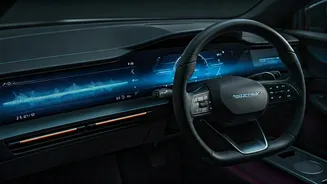
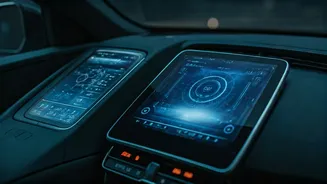
To understand where the 2028 A4 is headed, one only needs to look at the brand’s latest concepts and production models. The recently unveiled Q6 e-tron introduces Audi's "Digital Stage" interior, which features a panoramic display system and a "soft wrap" design element that envelops the driver and passenger in a continuous, flowing line from door to door. This creates a cohesive and spacious environment. Even more indicative is the Concept C, a show car that previews Audi's future design language. Its interior features a minimalist aesthetic with high-quality physical controls milled from aluminum and even a main infotainment screen that can retract into the dashboard when not in use. This blend of accessible technology and tangible quality is the blueprint for the next generation of Audi interiors.
A Return to High-Quality Materials
A key part of the new premium feel will be a renewed focus on materiality. The design philosophy is explicitly "Material Driven," prioritizing the textures and surfaces that occupants interact with most. This means a conscious move away from glossy plastics and towards more sustainable and luxurious options like wool upholstery, open-pore wood, and real metal trim. The ambition is to bring back the renowned "Audi click"—that satisfying, precision-engineered feel of a button or dial—which conveys quality without a single word. By ensuring that every touchpoint feels substantial and well-crafted, Audi aims to create a cabin that feels both modern and timelessly luxurious, appealing to the senses beyond just the visual.
Smarter Technology, Not Just More Screens
While the new philosophy tones down the screen overload, technology remains central to the experience. The 2028 A4 e-tron is expected to be one of the first vehicles built on the Volkswagen Group's advanced Scalable Systems Platform (SSP). This next-generation architecture will support a powerful new software stack, reportedly developed in partnership with Rivian, promising a more intuitive and responsive user interface. The focus is on creating a system that assists without distracting, integrating features like intelligent voice control that learns user habits. The technology will be powerful but designed to operate seamlessly in the background, presenting information clearly and only when needed, ensuring the driver remains focused and the cabin atmosphere remains calm and uncluttered.
The Inherent Luxury of Electric Design
The very foundation of the 2028 A4 e-tron contributes to its premium feel. Being built on a dedicated electric platform like SSP provides significant advantages for interior design. Without the need for a bulky transmission tunnel running through the center of the car, designers have a flat floor to work with. This immediately creates a more open, airy, and spacious cabin, reminiscent of a modern lounge. Passengers, particularly in the rear, benefit from increased legroom and a greater sense of freedom. This fundamental architectural shift allows Audi to reimagine the interior layout, moving beyond the constraints of combustion-engine vehicles to create a space that is inherently more comfortable and luxurious.