


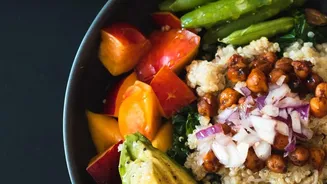


Often overlooked or relegated to a simple pickle, fresh beetroot is a culinary powerhouse waiting to be discovered. Its earthy sweetness and vibrant colour can elevate dishes in ways you might not expect, from cool salads to comforting warm meals.
The Underrated Root
Beetroot
is more than just a pretty face in your salad bowl. This versatile root vegetable is packed with essential nutrients, including fibre, folate, manganese, potassium, iron, and vitamin C. It's known for its potential health benefits, which include supporting heart health and providing antioxidants. The unique betalain pigments that give beetroot its rich colour are powerful antioxidants that can help reduce inflammation. But beyond its nutritional profile, beetroot boasts a unique earthy flavour that becomes wonderfully sweet when cooked, making it a dynamic ingredient in the kitchen.
Mastering the Basics
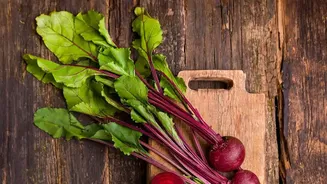
Working with fresh beetroot can seem intimidating due to its tendency to stain, but a few simple tips make it easy. When buying, choose firm, smooth beets with their leafy greens still attached if possible—the greens are also edible and can be cooked like spinach. To prepare, simply scrub the beets well under running water. Many preparations don't even require peeling, especially if you plan to roast them, as the skin softens and is edible. If you do need to peel them, doing so after boiling or roasting is easiest; the skins will slip right off. Roasting beets is simple: wrap them in foil with a drizzle of olive oil and bake until tender. Boiling is another option; just place washed, whole beets in a pot of water and cook until easily pierced with a fork.
Cool and Crisp Creations
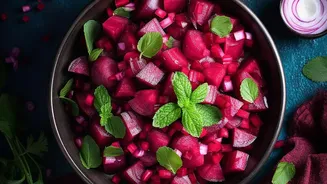
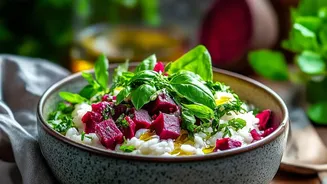
In its raw or chilled form, beetroot is wonderfully crisp and refreshing. While a simple grated beet salad is a classic, there are many more exciting ways to enjoy it cold. Try a Polish-style salad by combining grated boiled beets with grated apple, chopped onion, and dill pickles for a zesty-sweet side dish. For a Mediterranean twist, make a Greek 'pantzarosalata' by tossing sliced cooked beets in a lemon-garlic vinaigrette and serving it with creamy Greek yoghurt and fresh herbs. You can also blend cooked beetroot into a vibrant hummus for a colourful and flavourful dip to serve with pitta bread or vegetable sticks. Another great Indian option is a beetroot raita, where grated beetroot is mixed into yoghurt seasoned with mustard seeds and curry leaves.
Hearty and Warming Dishes
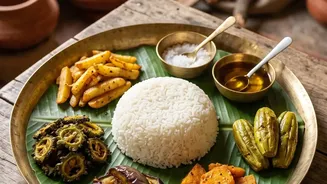
When heat is applied, beetroot's flavour deepens and sweetens, making it a fantastic addition to warm dishes. Roasting beet wedges with onions, olive oil, and balsamic vinegar until they caramelise creates a simple but elegant side. For a comforting meal, a classic borscht soup, blending beetroot with other root vegetables, is a hearty choice. In Indian cuisine, beetroot is used extensively in warm preparations. A 'poriyal' or 'sabzi' is a popular South Indian dish where finely chopped or grated beetroot is stir-fried with onions, spices like mustard and cumin seeds, and finished with fresh coconut. Beetroot can also be the star of a curry, adding both sweetness and a stunning colour to a coconut milk_based sauce. You can even incorporate grated beetroot into patties or cutlets, mixed with mashed potatoes and spices, for a delicious snack.
A Sweet and Surprising Finale
Perhaps the most surprising application for beetroot is in desserts. Its natural sweetness and moisture make it an excellent, and secret, ingredient in baked goods. A rich, moist chocolate beetroot cake uses grated raw beetroot to create an incredibly tender crumb and enhance the chocolatey flavour. In Indian sweets, beetroot shines in dishes like 'halwa', where it is grated and slow-'cooked with ghee, milk, and sugar to form a decadent, pudding-'like dessert. It can also be used to make 'ladoos' by cooking it with condensed milk and coconut, or even a vibrant pink 'kheer' (rice pudding). These surprising uses prove that beetroot's versatility truly knows no bounds.