



Turmeric (Haldi)
This vibrant yellow spice is a cornerstone of Indian cooking and traditional medicine. Its power lies in curcumin, a compound with well-documented anti-inflammatory and antioxidant properties. Inflammation is a normal immune response, but chronic inflammation
can tax the system. Including turmeric in your daily cooking, perhaps in dals, vegetable dishes, or a warm cup of 'haldi doodh' before bed, can help support a balanced immune response. For better absorption, it's often recommended to pair turmeric with a pinch of black pepper.
Ginger (Adrak)
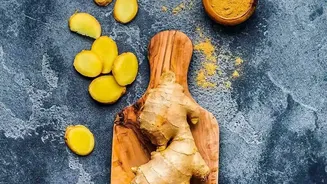
Ginger is another kitchen staple prized for its warming and health-supporting properties. It contains gingerol, an active component that can help soothe a sore throat and reduce inflammation. During the monsoon, when colds and coughs become more frequent, a warm cup of ginger tea can be particularly comforting and may help ease congestion. Its traditional use for settling stomach issues also makes it valuable during a season known for digestive complaints.
Garlic (Lehsun)
Known for its potent aroma and flavour, garlic also has a long history of medicinal use. It contains allicin, a sulphur compound released when garlic is crushed or chopped, which is believed to have antimicrobial properties. While not a replacement for medicine, including garlic in daily meals like curries, soups, and stir-fries is an easy way to leverage its traditional benefits. Many believe it helps the body fend off seasonal ailments common during the rainy months.
Yogurt (Dahi)
Gut health is a critical component of a functioning immune system, as a large portion of our immune cells reside in the digestive tract. Homemade yogurt, or dahi, is a natural source of probiotics—beneficial bacteria that help maintain a healthy balance in your gut. A healthy gut microbiome can support your body's ability to fight off harmful pathogens. Enjoying a bowl of fresh curd with your meals is a simple and effective way to support both digestion and immunity during the monsoon.
Seasonal Fruits (Jamun, Pomegranate)
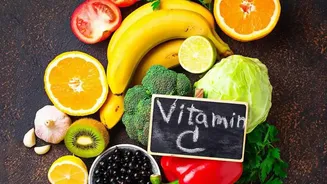
Monsoon brings its own bounty of delicious fruits. Jamun (Indian blackberry) is a seasonal star, rich in Vitamin C and iron, which are both crucial for a healthy immune system. Pomegranates are another excellent choice, packed with antioxidants that help protect your body's cells from damage. Vitamin C is vital for the production of white blood cells, which are key to fighting infections. Opting for these seasonal fruits ensures you get fresh, nutrient-dense foods.
Lentils and Pulses (Dal)
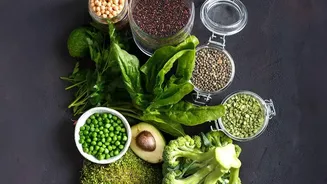
A comforting bowl of dal is more than just a staple meal; it's a powerhouse of nutrition. Lentils and pulses are excellent sources of plant-based protein, which is essential for building and repairing body tissues, including immune cells. They are also a good source of zinc, a mineral critical for the normal development and function of cells mediating immunity. A simple, well-cooked moong dal khichdi is light on the stomach and provides sustained energy, making it an ideal food when you're feeling under the weather.
Nuts and Seeds
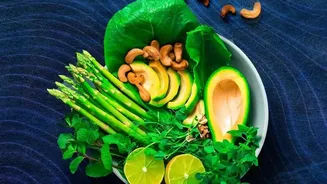
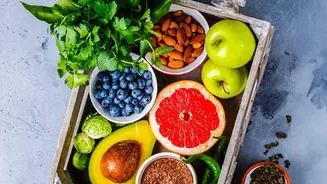
A handful of nuts and seeds can be a convenient and potent snack for immune support. Almonds are rich in Vitamin E, an antioxidant that helps protect cells from damage. Pumpkin seeds are one of the best plant-based sources of zinc, a mineral the body needs to activate its defences. Cashews are also a good source of zinc. Including a small mix of these in your daily diet can help cover important nutritional bases.
Bitter Gourd (Karela)
Though its bitter taste isn't for everyone, Karela is a vegetable that shines during the monsoon. It is surprisingly rich in Vitamin C, an important nutrient for fighting off infections. It also contains powerful antioxidants that help clear toxins from the body. Often recommended in traditional medicine for its cleansing properties, bitter gourd is considered an immunomodulator, meaning it helps regulate the immune system. Including it in your diet, perhaps in a curry or juice, can be beneficial during this season.