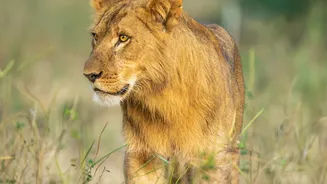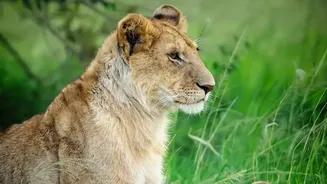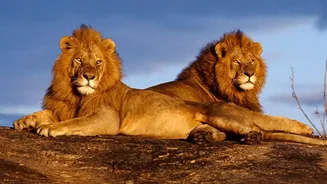









A Historic Return After 144 Years
In a landmark moment for wildlife conservation, the Barda Wildlife Sanctuary is once again home to Asiatic lions after they were last recorded there in 1879. This comeback began in January 2023 with the natural dispersal of a male lion from the greater
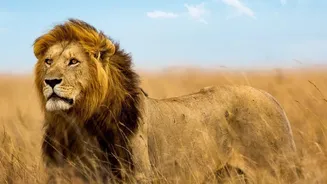
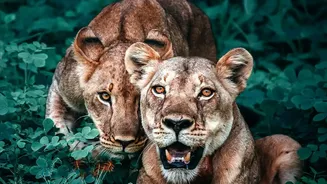
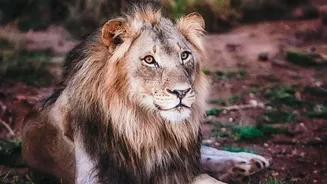
Gir region, a testament to the success of conservation corridors. Following this, the Gujarat Forest Department augmented the budding population by introducing five females to the sanctuary. The pride has since flourished, and recent reports confirm a population of 17 lions, including six adults and eleven cubs, are now thriving in Barda, a significant milestone celebrated under Project Lion. This development marks the de-facto establishment of a long-awaited second home for the species within Gujarat.
Why A Second Home Is Crucial
The concentration of the entire global population of wild Asiatic lions in the single landscape of Gir has long been a source of concern for conservationists. A single population, no matter how well protected, is extremely vulnerable to catastrophic events like disease outbreaks, natural disasters, or habitat pressures. The 2018 Canine Distemper Virus outbreak in Gir, which led to the death of several lions, was a stark reminder of this risk. Establishing a second, geographically separate population is a core principle of modern conservation strategy, often called a metapopulation approach. It acts as a vital insurance policy, reducing the risk of extinction and enhancing the genetic resilience of the species for long-term survival. Barda's emergence as a viable second habitat is the first major step in mitigating this single-population risk.
Project Lion and The Road to Barda
The establishment of the Barda population is a key success under 'Project Lion', a comprehensive initiative launched by the Indian government to ensure the conservation of the species. The journey to find a second home has been long, with years of debate and research. While Kuno National Park in Madhya Pradesh was identified and prepared as a translocation site, and even mandated by the Supreme Court in 2013, the move never materialized amid resistance. Gujarat has consistently advocated for establishing a second population within the state, identifying Barda as a potential site as far back as 1993. Recent efforts have focused on preparing Barda by improving the habitat, augmenting the prey base with species like spotted deer and sambar, and strengthening protection, clearing the way for the lions' return.
The New Stronghold: Barda Wildlife Sanctuary
Located in the Saurashtra region, the Barda Wildlife Sanctuary spans over 192 square kilometres of rugged hills, forests, and grasslands across the Porbandar and Devbhumi Dwarka districts. Declared a sanctuary in 1979, it has a rich floral diversity and a healthy ecosystem capable of supporting large carnivores. A recent scientific study published in the journal 'PLOS One', based on radio-collaring and tracking the new lion population, has confirmed that Barda provides suitable habitat and resources to sustain a long-term population. The study, which tracked one male and five females, showed the lions establishing distinct home ranges and successfully hunting wild prey. In response to this success, the Gujarat government is already restructuring the local forest department to strengthen management and protection in the Barda landscape.
The Next Chapter in Lion Conservation
The establishment of 17 lions in Barda is not an endpoint but the beginning of a new, more secure phase for Asiatic lions. While it's a monumental achievement, Barda's proximity to Gir means it offers a buffer but not complete isolation from regional threats. The focus now shifts to managing this new reality. This includes long-term monitoring of the Barda pride, ensuring peaceful human-wildlife coexistence in the surrounding areas, and continuing to enhance the habitat and prey availability. As the lion population expands beyond the traditional boundaries of Gir, which now stands at an estimated 891 individuals as of 2025, the lessons learned in Barda will be crucial for managing a thriving, yet dispersed, population across the broader Saurashtra landscape.