


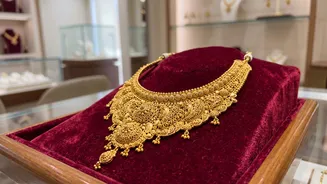
Dhanteras is a time for auspicious new beginnings, often marked by buying gold. But this year, prices are behaving unusually, dipping when festive demand is high. The reason may lie thousands of miles away, in the United States economy.
A Price Dip During Peak Season
Just as India prepared
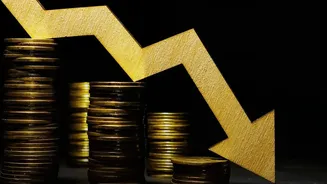
for its annual Dhanteras gold shopping spree, a noticeable price correction has been underway. After hitting a record high of nearly $5,600 per ounce in January 2026, gold has seen significant downward pressure, with some analysts noting a drop of around 28-29% from that peak. While prices in India saw a rebound in the days immediately preceding the festival, driven by last-minute demand and a weaker dollar, the broader trend has been one of correction. This has left many festive buyers wondering: is this a temporary discount or a sign of a larger shift in the market?
The US Connection: Understanding Treasury Yields
The key to understanding gold's recent behaviour lies with a seemingly unrelated financial instrument: US Treasury bonds. These are essentially loans that investors make to the US government. In return, the government pays interest, and the annual return on that loan is known as the 'yield'. Recently, these yields have been rising. This happens for various reasons, including the US central bank, the Federal Reserve, raising interest rates to manage its economy or due to investor concerns about economic stability, which makes them demand a higher return for lending their money. Think of it as the interest rate on the world's safest savings account going up.
Gold's Tug-of-War with Yields
Gold and US Treasury yields typically have an inverse relationship. Gold is a 'non-yielding' asset; it doesn't pay you interest or dividends just for holding it. Its value comes from its status as a safe store of wealth. When yields on ultra-safe US bonds rise, they become more attractive to large global investors. An investor can choose to hold gold and hope its price goes up, or they can hold a US bond and earn a guaranteed interest payment. As yields rise, the 'opportunity cost' of holding gold increases—investors miss out on more potential income from bonds. This can lead institutional investors to sell gold and buy bonds, increasing gold's supply on the market and pushing its price down.
The Dhanteras Dilemma: An Opportunity or a Warning?
For the average Indian buyer on Dhanteras, this global dynamic creates a complex picture. On one hand, a price correction, no matter the cause, can feel like a welcome discount. It makes festive purchases of jewellery, coins, and bars more affordable. Jewellers across the country have reported strong advance bookings, anticipating a rise in sales volume thanks to this price dip. However, the correction also serves as a warning. If US yields continue to rise, the downward pressure on gold could persist, meaning today's 'low' price might not be the bottom. The price of gold in India is up significantly compared to last year's Dhanteras, reminding buyers of its longterm appreciation despite shortterm volatility.
What Experts Are Watching
Financial analysts are divided on the shortterm outlook. Some see the current price levels as a temporary pause before a potential rebound, especially if the US Federal Reserve signals an end to interest rate hikes. Others believe the decline has further to go, with some forecasts suggesting gold could test lower support levels before finding a stable floor. The consensus is that real yields—the return on bonds after accounting for inflation—are the most critical factor to watch. As long as real yields remain high, gold will face stiff competition for investors' money. For now, the market remains cautious, awaiting fresh data on the US economy to signal the next major move.