


The Grand Blueprint: Vihaan.AI
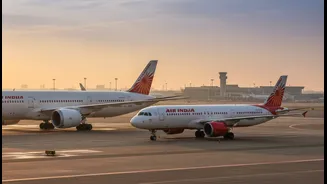
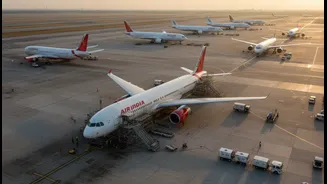
Since the Tata Group took control in January 2022, the mission has been clear: transform Air India into a world-class global airline. The roadmap for this monumental task is a five-year plan named Vihaan.AI, which translates to the 'dawn of a new era'.
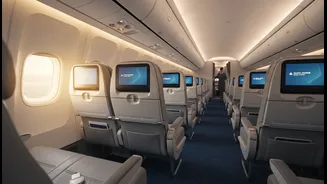
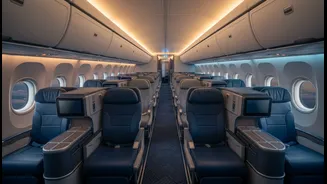
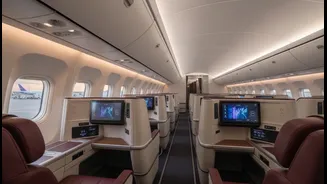
The plan is breathtaking in its scope, underpinned by a record-setting order for hundreds of new aircraft from Airbus and Boeing. It also includes a $400 million commitment to completely refurbish the interiors of its existing wide-body fleet, a $200 million investment in new IT systems, and a complete overhaul of everything from crew uniforms to customer service processes. The goal is not just to fix legacy issues but to fundamentally change the passenger experience and restore the airline's reputation on the world stage.
Navigating Turbulent Skies
Despite the clear vision, the transformation has run into significant global headwinds. Outgoing CEO Campbell Wilson has expressed frustration over these challenges, which are largely outside the airline's control. Key among them are severe delays in aircraft deliveries from both Boeing and Airbus, who are grappling with their own post-pandemic production and supply chain bottlenecks. This has a direct impact on growth and fleet modernisation plans. Furthermore, a $400 million project to refit older wide-body aircraft with new seats and cabins is behind schedule due to manufacturing and certification delays, with some suppliers even withdrawing from contracts, causing setbacks of up to two years. These issues have been compounded by geopolitical instability and volatile fuel prices, forcing the airline to temporarily reduce capacity on some routes.
Visible Signs of Progress
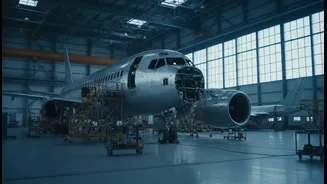
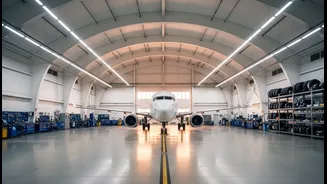
While the most noticeable elements like brand-new planes and cabins are delayed, the airline insists that foundational progress remains intact. Behind the scenes, significant work has been done. The airline has brought most of its engineering and maintenance in-house, returning dozens of long-grounded aircraft to service. It has consolidated its various airline brands, including the merger of Vistara with Air India and the integration of AirAsia India into Air India Express. On the passenger front, there are tangible improvements. Customer satisfaction scores for airport experience and cabin cleanliness have risen, while passenger complaints have declined. The airline has rolled out new uniforms, improved lounge access, and introduced digital tools like an AI-powered chatbot to streamline the customer experience. Recent data from June 2026 shows a high on-time arrival rate, indicating a marked improvement in operational reliability.
The Passenger's Perspective
For the average traveller, the transformation presents a mixed picture. While new Airbus A350s are flying on some premier routes with high passenger satisfaction, many others are still served by older aircraft awaiting their long-overdue cabin refits. This creates an inconsistent experience. A passenger might have an excellent flight on a new plane one day and a disappointing one on a dated jet the next. The airline has started deploying aircraft with new or retrofitted interiors on more international routes, introducing its new Premium Economy class. However, the full, consistent experience promised by Vihaan.AI is still some time away. The airline acknowledges this, with former CEO Campbell Wilson noting that the new Air India should be 'consistently visible' by the end of 2027.