



India's electric vehicle market is shifting into high gear. October 2026 saw a massive 76% year-on-year surge in electric car sales, signalling a significant turning point for the industry and a diversification of the competitive landscape.
The Big Picture: A Market in Overdrive
The numbers
for October 2026 paint a clear picture of an EV market hitting its stride. According to data from the Federation of Automobile Dealers Associations (FADA), retail sales of electric passenger vehicles reached 37,049 units. This represents a staggering 76.47% increase compared to the 20,995 units sold in October 2025. This impressive growth is even more notable considering the overall passenger vehicle market saw a decline during the same period. As a result, the market share of EVs in overall car sales more than doubled, jumping from 3.5% in October 2025 to 7.3% in October 2026. While this was a slight dip from the record 8.5% share in September, the year-on-year growth underscores a powerful trend: Indian consumers are increasingly choosing electric.
Tata Motors: Still Dominating, But Not Alone
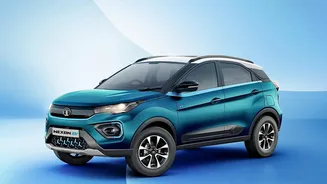
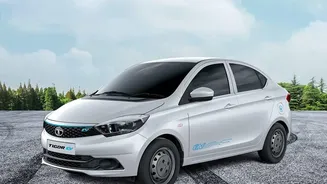
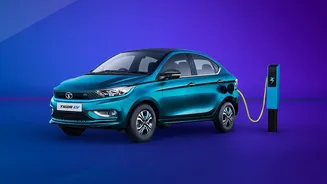
Tata Motors continues to be the undisputed leader in India's EV space. The company retailed 14,669 electric vehicles in October, marking a robust 77.6% year-on-year growth and securing a market share of nearly 40%. This success is built on a diverse portfolio that includes popular models like the Punch EV, Nexon EV, and Tiago EV, giving the brand an offering at nearly every key price point. The Tata Punch EV even made history by becoming the first standalone electric model in India to cross 5,000 monthly wholesale dispatches in October. However, while Tata's leadership is secure, the gap is narrowing as competition intensifies.
Mahindra's Electric Ascent
The most significant challenger to emerge is Mahindra & Mahindra. The homegrown automaker secured the second position with an impressive performance, selling 8,538 electric SUVs in October. This marks a remarkable 85.7% year-on-year growth, outpacing the industry average and boosting its EV market share to over 23%. Strong demand for models like the BE 6 and XEV 9e have been instrumental in this rise. Together, Tata and Mahindra now account for roughly 64% of the entire Indian electric car market, highlighting the growing dominance of domestic manufacturers.
The Growing Pack of Contenders
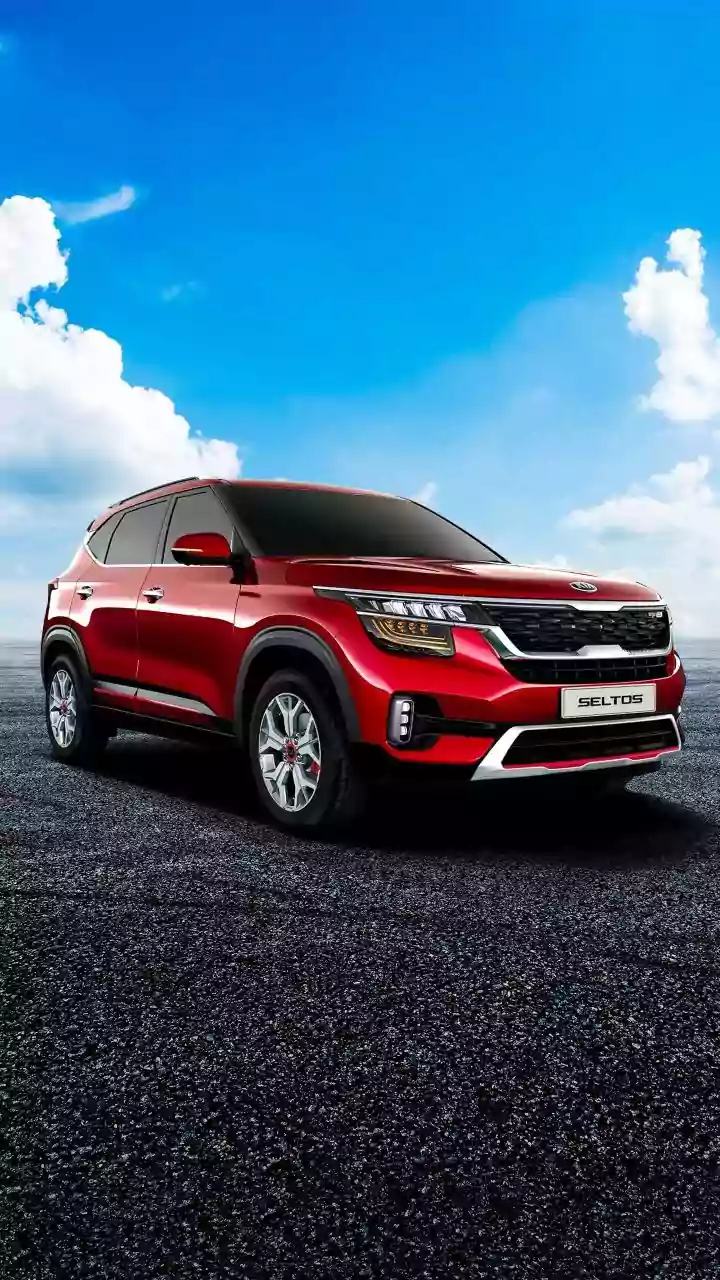
The story of October's surge isn't just about the top two. JSW MG Motor India held its ground in third place, retailing 5,939 units for a steady 10.8% year_on_year growth. However, its market share has seen some erosion as new and existing players ramp up their efforts. One of the most dramatic stories is that of VinFast, which sold 2,571 units, a massive jump from just 142 units in the same month last year. Other brands like Kia India also posted strong results, with an 85% year_on_year increase to 1,395 units. Even India's largest carmaker, Maruti Suzuki, is making inroads, selling 1,200 electric cars in October as it gradually strengthens its EV presence. The luxury EV segment also saw healthy 53% growth, with brands like BMW and Tesla contributing to the overall numbers.
What's Fuelling the EV Fire?
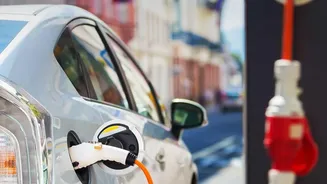
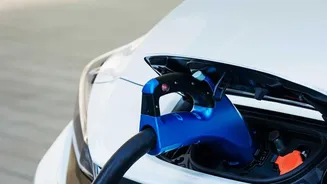
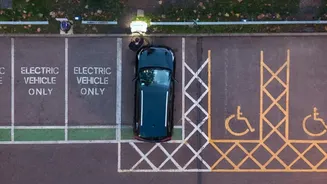
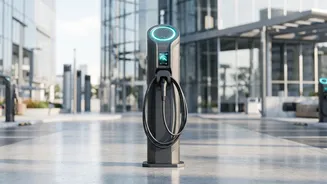
Several factors are converging to drive this rapid adoption. The festive season often provides a sales lift, but the underlying momentum is being driven by more fundamental changes. A wider availability of new models across different price points is giving consumers more choice than ever before. Government support, through initiatives like the PM E -DRIVE scheme, continues to play a crucial role by offering subsidies and incentives that lower the upfront cost for buyers. Furthermore, an expanding charging infrastructure network is helping to alleviate range anxiety, one of the key barriers to EV adoption. As battery costs continue to fall and consumer awareness grows, the transition to electric mobility is no longer a distant vision but a present _day reality.