

What's Fuelling the Fire This Time?
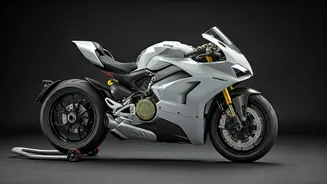
Recent reports indicate that as Volkswagen (VW) embarks on one of the largest restructuring efforts in its history, investment bankers are once again urging the German auto giant to consider selling Ducati. This comes as VW grapples with the immense cost
of transitioning to electric vehicles (EVs), increased competition from Chinese automakers, and a new eight-point plan to streamline its vast portfolio of brands. The company has already sold its majority stake in marine engine business Everllence and offloaded Bugatti. Advisers reportedly believe the cash from these sales could be quickly consumed by restructuring costs, prompting a look at other valuable, but non-core, assets. While VW has not confirmed any formal sale process, its non-committal statements about the need for a “profound transformation” have added fuel to the fire.
VW’s New Blueprint for the Future
At the heart of this speculation is VW's ambitious new corporate strategy. CEO Oliver Blume has outlined a plan to make the entire group more robust, competitive, and financially resilient by 2030. Key goals include reducing complexity, streamlining investments, cutting costs, and focusing on core technology development. In a stark admission, the company has stated its old business model of developing cars in Germany for export to the world is no longer sustainable. This profound shift involves massive cost-saving measures and a sharper focus on the primary automotive business. Within this leaner, more efficient vision of Volkswagen, a high-end, relatively low-volume motorcycle brand—no matter how prestigious—starts to look like an outlier.
A Familiar Tune for Ducati
For Ducati, being on the potential chopping block is nothing new. The brand has changed hands multiple times throughout its history. Most recently, in 2017, VW explored a sale to raise funds in the wake of the 'Dieselgate' emissions scandal, but ultimately decided against it due to internal resistance. Volkswagen, through its Audi subsidiary, acquired Ducati in 2012. The paradox is that Ducati is not being discussed because it's in trouble; it's being discussed because it's valuable. Its strong brand identity, racing success, and healthy profit margins make it an attractive asset that could fetch a high price, providing a quick cash injection for VW's broader strategic goals.
The Case for Selling the Crown Jewel
From a purely strategic standpoint, the logic for a sale is clear. VW needs to pool its resources to win in the hyper-competitive EV market. Ducati, for all its glory, is a distraction. Its annual sales of around 50,000 to 60,000 motorcycles are a drop in the ocean for a group that sells millions of cars. The brand has little technological synergy with VW's core mission of electric cars. As one VW spokesperson noted, the company is undergoing a “profound transformation,” and that requires streamlining the portfolio and focusing on what matters most for the future of the automotive group. Selling Ducati would provide a significant financial boost and allow management to focus entirely on the monumental task of electrifying its car brands.
Who Would Buy the Italian Icon?
If a sale were to happen, there would likely be no shortage of suitors. Private equity firms specializing in premium brands could see an opportunity to run Ducati as a standalone business with growth potential. Other major motorcycle manufacturers, particularly from India, have been floated as potential buyers, following a trend of acquiring storied European brands. Rival automotive groups are less likely, though not impossible. For the global community of Ducatisti, the owners and fans of the brand, any potential sale brings anxiety about the future of its racing programs and brand heritage. However, analysts suggest that any buyer would understand they are acquiring decades of engineering reputation and that damaging it would be a poor investment.