


The First Step on a Long Journey
Think of the UNESCO Tentative List as an official 'to-do' list for global heritage. It's an inventory of sites that a country believes have the potential to become a World Heritage Site and that it intends to nominate in the coming years. Getting on this
list is a mandatory first step; a site cannot even be considered for the final inscription unless it has been on the tentative list for at least a year. It’s a formal recognition by the Indian government and the Archaeological Survey of India (ASI) that Sirpur is a jewel worth showcasing to the world. However, it is not a guarantee of the final, coveted World Heritage status. It simply opens the door for the rigorous nomination process to begin.
Why Sirpur is So Special
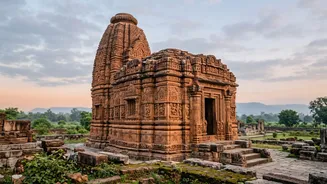
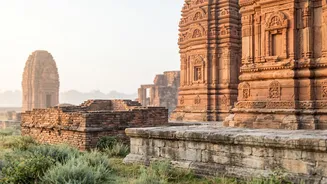
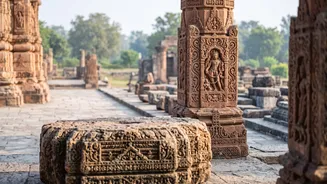
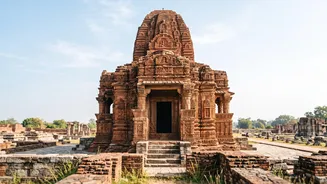
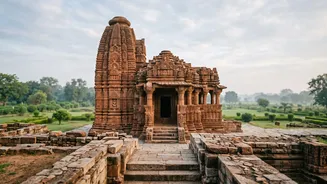
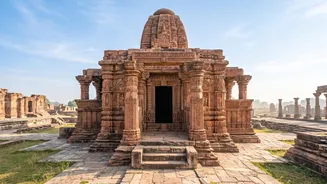
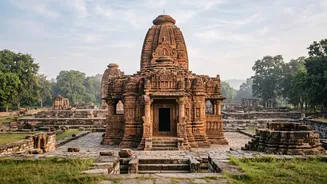
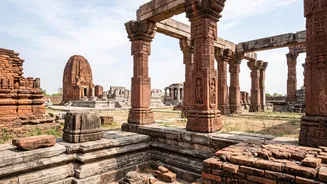
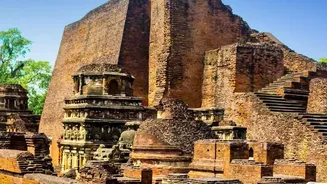
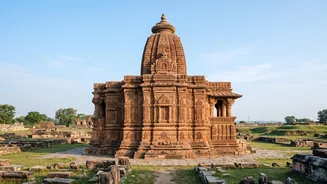
So, what makes this ancient city on the banks of the Mahanadi River so important? Sirpur, known in antiquity as Shripur, was the capital of the Dakshina Kosala kingdom under the Panduvanshi kings. What sets it apart is its incredible multicultural past. Excavations have revealed a rare and harmonious coexistence of Hindu, Buddhist, and Jain traditions. The site boasts 22 Shiva temples, 10 Buddhist viharas (monasteries), and 3 Jain viharas, all within the same landscape. This includes the famed 7th-century Lakshmana Temple, one of India's finest examples of a brick temple, which still stands today. The Chinese traveler Xuanzang (also known as Hiuen-Tsang) visited in the 7th century and wrote of a prosperous, thriving city, confirming its historical importance.
Proving 'Outstanding Universal Value'
To move from the Tentative List to the World Heritage List, a site must prove it has 'Outstanding Universal Value'. This is the central concept of the World Heritage Convention. It means the site's significance is so exceptional that it transcends national boundaries and is important for all of humanity, now and in the future. For Sirpur, the case will be built on its unique archaeological landscape. This includes its status as a major political and commercial hub and, most importantly, its layered history as a place where Shaivism, Vaishnavism, Buddhism, and Jainism flourished together, a testament to a period of remarkable religious synthesis. The very architecture, using local stromatolite rocks, adds to its unique story.
What Happens Next? The Nomination Marathon
With Sirpur now on the Tentative List, the real work begins. The state government of Chhattisgarh and the ASI must prepare a comprehensive nomination dossier. This is an exhaustive file that includes detailed maps, a deep dive into the site's history, a comparative analysis with other similar sites, and a robust management plan detailing how its 'Outstanding Universal Value' will be protected for perpetuity. Once submitted, this dossier is evaluated by independent advisory bodies like the International Council on Monuments and Sites (ICOMOS). Experts will visit the site, scrutinize the claims, and make a recommendation to the World Heritage Committee. This process is incredibly detailed and can take several years to complete, with no certainty of success.
The Immediate Benefits for Sirpur
Even without the final tag, the tentative listing is a massive win. It puts Sirpur firmly on the global heritage map, attracting the attention of historians, archaeologists, and culturally-minded tourists. This international recognition can galvanize conservation efforts, bringing in more resources and expertise to protect and study the site. Already, the Chhattisgarh government is enhancing the visitor experience with digital exhibits and better site accessibility. This initial step boosts local and national pride, serving as a powerful reminder of the region's rich, layered history and its contribution to India's diverse cultural tapestry. It validates the decades of archaeological work and transforms a regional treasure into a candidate for a global icon.