




A Once-in-a-Generation Spectacle
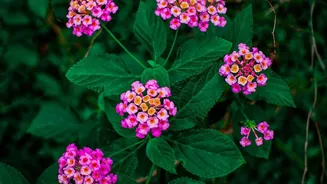
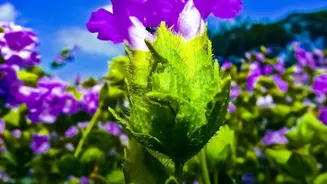
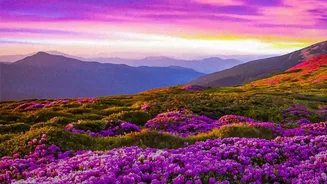
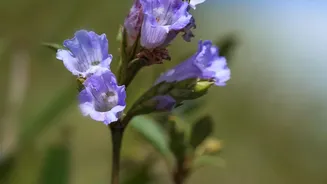
The Neelakurinji, or Strobilanthes kunthiana, is a shrub endemic to the shola forests of the Western Ghats. It has a fascinating life strategy known as gregarious flowering. The entire plant population grows silently for 12 years, then flowers in unison,
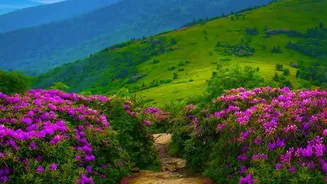
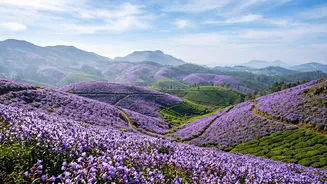
carpets the hillsides in a breathtaking floral display, sets seed, and dies. This synchronized mass bloom is a rare event, with the last major one occurring in 2018 and the next grand spectacle anticipated in 2030. However, different populations of the flower operate on separate clocks. In fact, a localized bloom is captivating visitors in parts of Munnar right now in 2026, following its previous flowering in 2014, reminding us that the magic of the Kurinji is always on the horizon.
An Ecological Powerhouse
The bloom is far more than just a pretty sight; it is a vital ecological event. The mass flowering provides an enormous feast of nectar for pollinators, especially honeybees. This leads to the production of a prized and rare 'Kurinji honey,' which is collected by local communities. The plant acts as a crucial indicator of the health of the high-altitude shola-grassland ecosystem, a unique and fragile environment. Its root system also plays a significant role in preventing soil erosion on the steep mountain slopes. The bloom supports a burst of life that sustains the local biodiversity, including the endangered Nilgiri Tahr which roams these hills.
A Cultural Touchstone
The significance of Neelakurinji is deeply woven into the region's culture. It is believed that the Nilgiri Hills, meaning 'Blue Mountains', were named after the flower's stunning purple-blue blossoms that periodically cover them. For the local Paliyan tribal community, the bloom has traditionally served as a natural calendar to calculate their age. A person's age might be reckoned by the number of blooms they have witnessed in their lifetime. The flower also holds a place in ancient Tamil Sangam literature, where 'Kurinji' refers to the mountainous landscape and is associated with love.
The Double-Edged Sword of Tourism
When the hills turn blue, tourists flock in huge numbers. The 2006 bloom reportedly attracted nearly a million visitors to the region. This influx provides a massive economic boost for local hotels, guides, and businesses in Munnar and the wider Idukki district. However, this surge in tourism places immense pressure on the fragile ecosystem. Unregulated visitor movement can lead to the trampling of the delicate plants, increased pollution, and traffic congestion that strains local infrastructure. Managing this wave of eco-tourism responsibly is one of the greatest challenges associated with the bloom.
A Future in Peril
The topic of Neelakurinji remains timely because its future is uncertain. The species was recently classified as 'Vulnerable' on the IUCN Red List, facing a high risk of extinction. Its shola-grassland habitat is shrinking due to the expansion of tea and eucalyptus plantations, unchecked construction, and the spread of invasive species. Climate change also poses a significant threat, with rising temperatures and altered rainfall patterns potentially disrupting the plant's precise 12-year blooming cycle. Protecting this species means protecting an entire ecosystem that is critical to the water security and ecological balance of the Western Ghats.
The Race to Preserve a Natural Wonder
Recognizing the threats, conservation efforts are underway. The Kurinjimala Sanctuary was established in 2006 specifically to protect the plant and its core habitat. More recently, the National Green Tribunal has become involved, pushing for states to submit annual conservation plans. In 2023, the plant was granted legal protection under Schedule III of the Wildlife (Protection) Act, making it an offense to uproot or destroy it. These efforts focus on managing tourism sustainably, restoring fragmented habitats, and controlling invasive species to ensure that future generations can witness this incredible natural spectacle.