





The Hydration Showdown
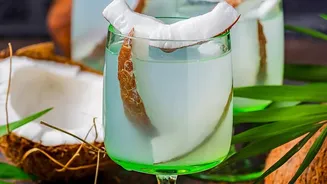
When the goal is purely to rehydrate, both drinks are excellent choices, but they function slightly differently. Coconut water is often called a natural sports drink for a reason. It's packed with electrolytes like potassium, sodium, magnesium, and calcium,
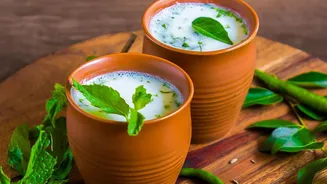
which are crucial for restoring the fluid balance in your body, especially after sweating. Its composition allows for quick absorption, making it ideal for rapid rehydration after being in the sun or doing some light physical activity. Buttermilk, or chaas, is no slouch either. It has a very high water content (around 90%) and also contains electrolytes like potassium and sodium that help replenish the body. While coconut water may have the edge for instant electrolyte replacement, buttermilk's power lies in its ability to provide sustained hydration and cool the body from within, making it a fantastic daily beverage.
A Look at the Nutritional Facts
From a calorie perspective, unsweetened coconut water is the lighter choice, with a 240ml cup containing around 45 to 60 calories. Buttermilk is slightly higher, typically around 98 calories for the same amount, though this can be much lower for homemade versions that are more diluted. However, buttermilk pulls ahead in protein content, offering about 8 grams per cup compared to coconut water's less than 1 gram. This makes buttermilk a more filling option. Buttermilk is also a much better source of calcium, which is vital for bone health. On the other hand, fresh coconut water is an excellent source of potassium and Vitamin C.
Beyond Hydration: The Gut Health Factor
This is where buttermilk truly shines. As a fermented drink, chaas is a natural source of probiotics—the beneficial bacteria that are essential for a healthy digestive system. These probiotics can improve digestion, help prevent bloating, soothe the stomach lining, and even boost your immune system. It's why a glass of chaas after a meal is a long-standing tradition in many Indian households. It helps the body digest food more efficiently, especially heavy or spicy meals. Coconut water, while hydrating, does not contain these probiotic benefits.
When to Choose Which
Instead of declaring one winner, the smartest approach is to choose the right drink for the right occasion. Opt for coconut water when you need a quick energy boost and electrolyte replenishment, such as after a workout, a long walk in the sun, or when you're feeling drained by the heat. Its natural sugars provide energy without the additives of commercial sports drinks. Reach for buttermilk (chaas) after meals to aid digestion and soothe your stomach. It's also an excellent choice for a filling, low-calorie mid-day drink that keeps you hydrated and supports gut health. Its cooling properties make it particularly soothing during hot afternoons.
A Word on Preparation
The health benefits of both drinks are greatest when they are consumed fresh and with minimal processing. For coconut water, drinking it directly from the coconut is best. Packaged versions can sometimes contain added sugars and preservatives that negate their health benefits, so always check the label. For buttermilk, homemade is best and can be enhanced by adding spices like cumin, mint, or black salt, which not only add flavour but also offer their own digestive benefits.