



1. The Royal Treatment: Kashmiri Dum Aloo
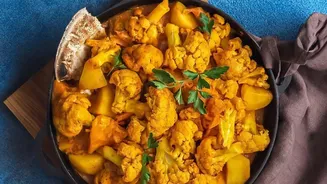
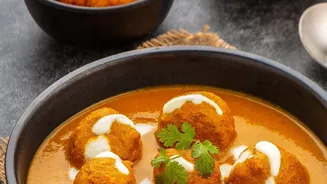
Hailing from the picturesque valleys of Kashmir, Dum Aloo is a testament to the region's rich culinary traditions, originally part of the elaborate Kashmiri Pandit cuisine. This dish isn't just a simple curry; it's an art form that requires patience.
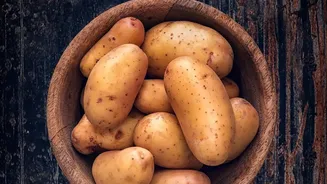
Baby potatoes are first deep-fried until they form a crisp, golden skin, which allows them to absorb the flavours of the gravy without falling apart. The magic lies in the sauce—a vibrant, aromatic gravy made from yogurt, fennel powder, and dried ginger powder, which gives it a unique warmth distinct from the fresh ginger used elsewhere in India. The striking red hue comes from Kashmiri red chillies. The potatoes are then slow-cooked (dum-cooked) in this luscious, spice-infused sauce until they are tender and have soaked up all the complex flavours. It’s a dish that proves the potato can be both humble and royally sophisticated.
2. The Comfort Classic: Bengali Aloo Posto
In West Bengal, Aloo Posto is more than just a dish; it's the ultimate comfort food. This minimalist preparation celebrates the subtle, nutty flavour of poppy seeds (posto). The recipe is deceptively simple, featuring cubed potatoes cooked in a thick paste of ground white poppy seeds, often with green chillies for a touch of heat. The two ingredients that give it its authentic Bengali character are pungent mustard oil and a tempering of either nigella seeds (kalonji) or panch phoran, a five-spice blend. While some variations exist across different households, the core of the dish remains the creamy, earthy poppy seed gravy clinging to the soft potatoes. Served with steamed rice and dal, Aloo Posto is a soulful experience that holds a nostalgic place in every Bengali heart.
3. The Street Food Star: Maharashtrian Batata Vada
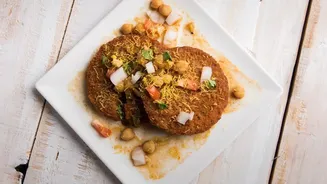
No discussion of Indian potatoes is complete without honouring Mumbai's most iconic street food: the Batata Vada. This beloved snack is the heart of the famous Vada Pav. Its story reportedly began in 1966 at a stall outside Dadar station, created as a hearty, affordable meal for mill workers. The preparation involves a flavourful filling of boiled, mashed potatoes seasoned with mustard seeds, curry leaves, ginger, garlic, and green chillies. This mixture is rolled into balls, dipped in a spiced chickpea flour (besan) batter, and deep-fried to golden perfection. The result is a fritter with a crispy exterior and a soft, spicy interior. While it's famously served inside a soft bread roll (pav) with chutneys to make vada pav, the batata vada is also delicious on its own, often accompanied by fried green chillies.
4. The Heart of a Staple: South Indian Masala for Dosa
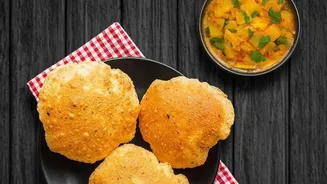
The magic of a perfect Masala Dosa lies in its filling, and at the center of that is a simple but delicious potato masala. This South Indian preparation, also known as 'dosa aloo,' is a staple across the region. The dish consists of boiled and lightly mashed potatoes cooked with sautéed onions, green chillies, and a distinct tempering of mustard seeds and curry leaves. Turmeric gives the masala its characteristic yellow colour and earthy flavour. The consistency is kept moist but not watery, ensuring it doesn't make the crisp dosa soggy. While primarily known as a dosa filling, this versatile potato dish is also served alongside poori or even in a sandwich. Its gentle spice and comforting texture make it the perfect counterpart to the fermented crispness of the dosa.
5. The Undisputed Champion: Punjabi Aloo Paratha
Perhaps the most widespread and beloved potato dish in North India, the Aloo Paratha is a breakfast icon with origins in the Punjab region. This hearty flatbread is made from whole wheat dough stuffed with a flavourful mixture of mashed potatoes, finely chopped onions, and a blend of spices like cumin, coriander, and red chilli powder. The paratha is rolled out and cooked on a hot griddle (tawa) with ghee or butter until it's golden brown and crisp on the outside, with a soft, steamy interior. While parathas themselves have ancient roots in India, the addition of the potato—an ingredient introduced to India by Portuguese traders—is a more modern evolution. Served with a dollop of butter, a side of yogurt, or a tangy pickle, the aloo paratha is more than just a meal; it's a feeling of home.