





Meet the New Maintenance Crew
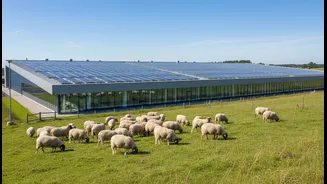
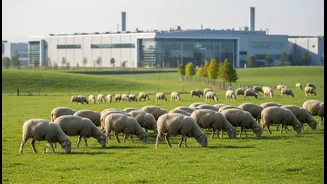
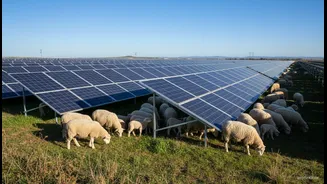
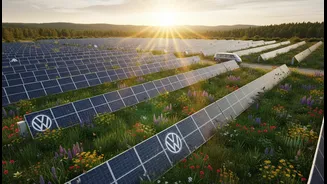
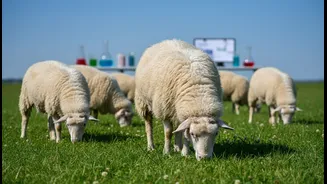
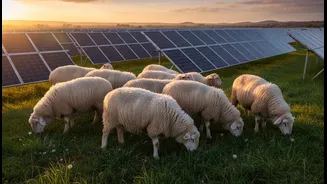
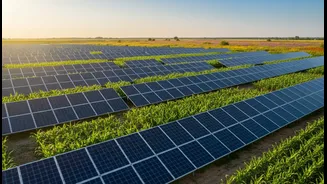
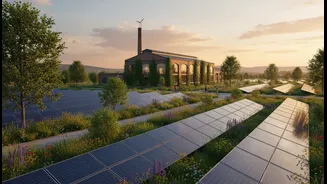
At Volkswagen's manufacturing plant in Poznań, Poland, the newest groundskeeping crew doesn't arrive by truck or run on gasoline. Instead, a flock of 100 sheep has been hired to manage the vegetation growing beneath more than 31,000 solar panels. This
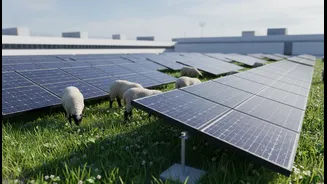
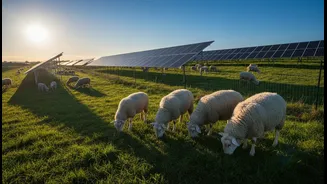
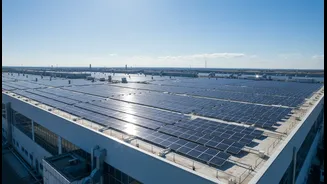
18.3-megawatt solar farm is a key part of the facility's power supply, generating enough electricity on sunny days to run the entire factory and supplying about 25% of its needs annually. But keeping the grass and weeds from shading those panels is a critical task. Rather than using traditional lawnmowers, VW has embraced a four-legged, woolly solution. These sheep spend their days grazing peacefully between the rows of panels, providing a constant and quiet trimming service.
The Problem with Traditional Mowing
Maintaining a large, ground-mounted solar installation isn't as simple as running a lawnmower over a field. These sites can cover vast areas, and the spaces underneath and between panels can be awkward to reach with machinery. Traditional methods typically involve gas-powered mowers and manual strimmers, which not only have a carbon footprint but can also be costly and noisy. There's also the risk of mowers kicking up stones or debris that could damage the expensive solar modules. To avoid this, some operators turn to herbicides to control plant growth, but these chemicals can harm the local ecosystem, affecting soil health and biodiversity. It’s an operational headache that requires a solution as green as the energy being produced.
Nature’s Sustainable Solution
Sheep, it turns out, are perfectly designed for the job. They are nimble enough to get into hard-to-reach places that machines miss, ensuring the panels remain unobstructed for maximum energy production. Their grazing eliminates the need for fossil-fuel-powered equipment, directly reducing emissions and operational costs. But the benefits go far beyond a simple trim. As they graze, the sheep naturally fertilize the soil with their manure, improving its health and nutrient content. Their hooves gently aerate the ground, which helps with water absorption and reduces soil erosion—a significant concern for solar farm stability. This natural approach also creates a healthier habitat for insects and other wildlife, boosting the site's overall biodiversity.
A Growing Movement Called 'Agrivoltaics'
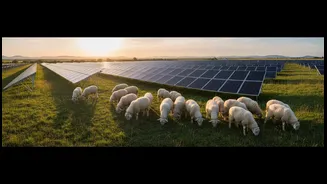
Volkswagen’s initiative isn't just a quirky one-off; it's part of a growing global trend known as agrivoltaics, or solar grazing. This practice combines agriculture and solar energy generation on the same land, creating a mutually beneficial relationship. The concept has been successfully implemented at other sites, including VW's plant in Chattanooga, Tennessee, where a herd of about 50 sheep has maintained a solar farm since 2021, accompanied by 'guard' donkeys to ward off predators. The practice provides a stable, secondary source of income for local farmers who contract their flocks. Furthermore, the solar panels offer a surprising benefit to the sheep, providing ample shade that reduces heat stress during hot summer months, keeping the animals healthier and more comfortable.
More Than Just Good Publicity
For Volkswagen, this initiative is a tangible part of its broader sustainability strategy, which aims for carbon-neutral production. The project in Poznań is particularly notable because it's paired with a scientific research program led by the Poznań University of Life Sciences. Researchers are monitoring everything from soil quality and animal welfare to biodiversity and the local microclimate to scientifically measure the impacts of the program. This data-driven approach demonstrates how large-scale industry can work in harmony with nature, turning an energy facility into a living laboratory that supports local agriculture and ecological research. It’s a clever, cost-effective model that proves sometimes the most sustainable solution has been right in front of us all along.