

The Numbers Don't Lie
India's electric vehicle story is a tale of two very different markets. While electric cars grab headlines, they are a tiny fraction of the EV landscape. In stark contrast, electric three-wheelers are not just participating; they are dominating. As of June
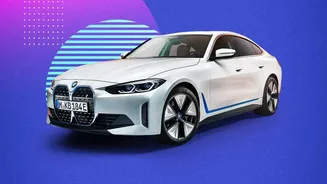
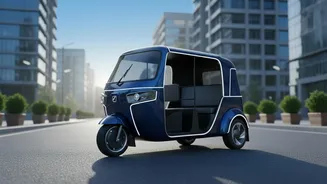
2026, the EV penetration for passenger three-wheelers (L5 autos) hit a remarkable 50.1%. For passenger cars, that figure was just 7.7%. This isn't a new trend, but an acceleration of a long-standing one. For years, the commercial three-wheeler segment has been the engine room of India's EV adoption, accounting for a massive share of all EVs sold in the country. Projections show this lead is set to continue, with some forecasts suggesting 75-80% of passenger three-wheelers could be electric by 2030, making them the backbone of India's electrified transport fleet.
A Perfect Economic Storm
The primary reason for the e-rickshaw's runaway success is simple: economics. For an auto-rickshaw driver, the vehicle is not a luxury but a livelihood. The total cost of ownership is paramount, and this is where EVs triumph. The lower running and maintenance costs of an electric three-wheeler are a game-changer. With no engine oil, spark plugs, or complex exhaust systems to maintain, and electricity being cheaper than petrol or CNG, the savings are immediate and substantial. This translates directly into higher daily earnings for drivers. For commercial operators in last-mile delivery and ride-hailing, this compelling economic argument has made the switch to electric a logical business decision, driven by financial necessity rather than environmentalism alone. One analysis found that running an electric auto in a city like Lucknow could be 38-46% cheaper per kilometre than its CNG counterpart.
Why Cars Are Stuck in the Slow Lane
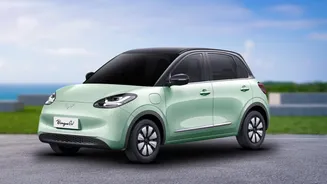
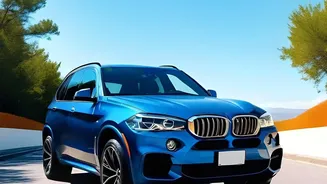
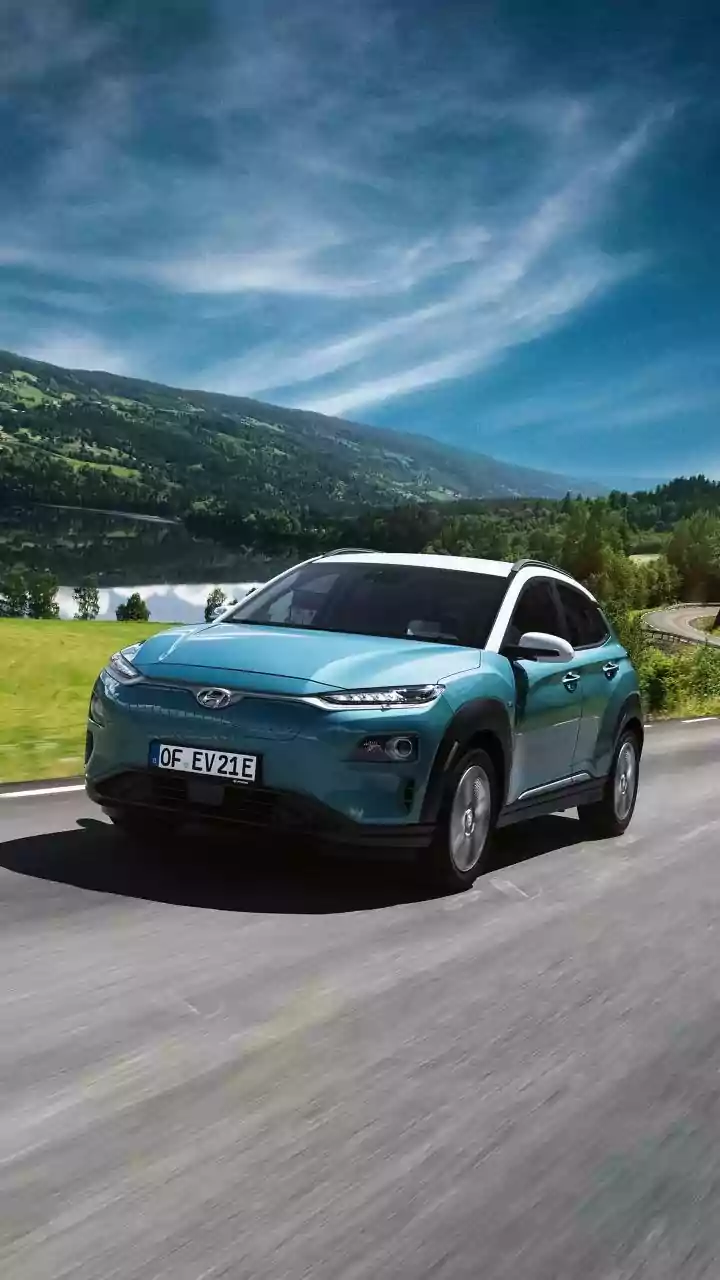
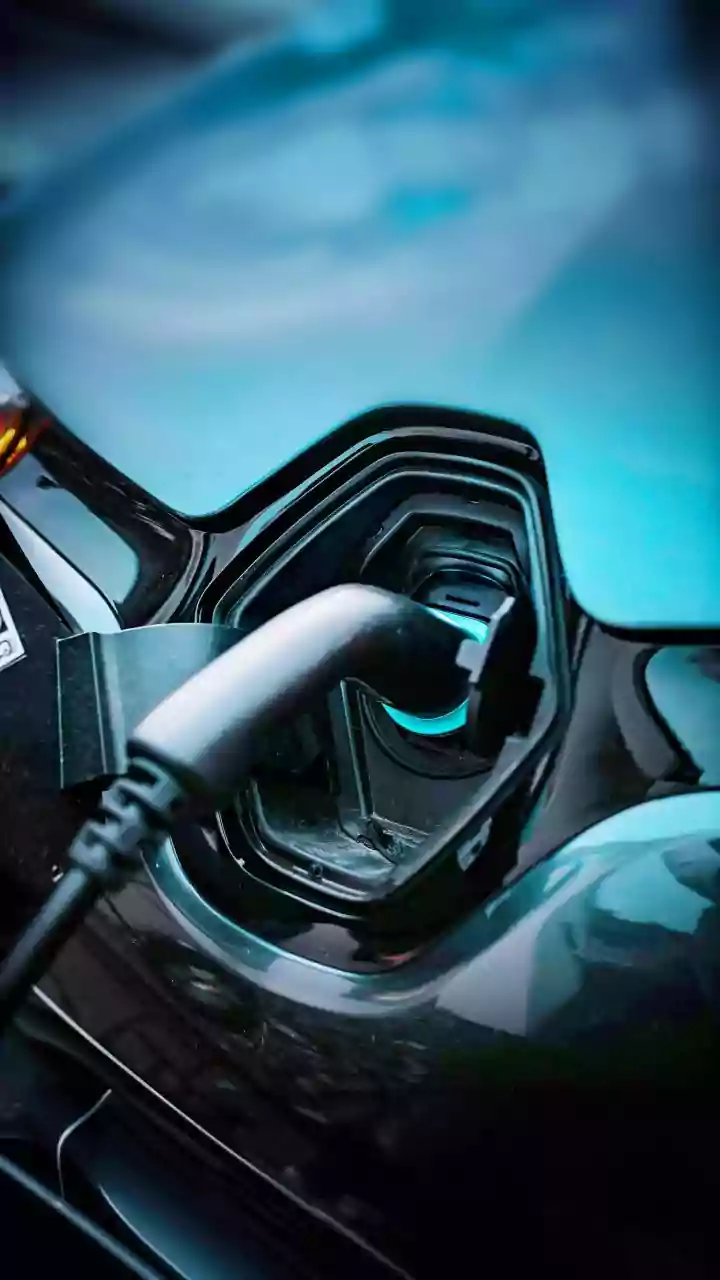
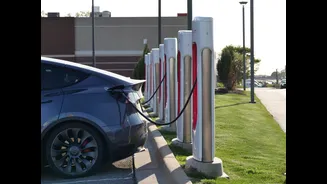
If the economics for e-rickshaws are so good, why haven't electric cars taken off in the same way? The barriers are significant and multi-faceted. The first is the high upfront cost. An entry-level electric car can cost nearly three times as much as a comparable petrol model, a steep premium for the value-conscious Indian buyer. Secondly, there's the issue of charging. While India has been adding public charging stations, the infrastructure is far from adequate, with a charger-to-EV ratio much lower than global benchmarks. This creates 'range anxiety' for private car owners who need the flexibility for long, unpredictable journeys. Inconsistent power supply and the hassle of finding a functional, available charger add to the challenge. Finally, India's supply chain dependency on imported battery components adds another layer of vulnerability and cost.
The Battery-Swapping Advantage
One of the most innovative solutions powering the three-wheeler boom is battery swapping. Instead of waiting hours for a vehicle to charge, a driver can pull into a station, swap a depleted battery for a fully charged one in minutes, and be on their way. This model is perfectly suited for commercial three-wheelers, which run predictable routes and cannot afford long periods of downtime. It effectively turns refueling an EV into a process faster than filling a tank with petrol. This system is impractical for cars, whose large, structural batteries cannot be easily removed. Battery-as-a-Service (BaaS) models, where the battery is owned by a network provider, also slash the vehicle's upfront cost by 30-40%, making e-rickshaws even more affordable for drivers.
Policy That Paved the Way
Government policy has played a crucial role. Successive incentive schemes, particularly the FAME (Faster Adoption and Manufacturing of Electric Vehicles) program, have historically focused on electrifying public and shared transport. By providing subsidies and support targeted at commercial two- and three-wheelers, the government helped create the initial momentum for the market. This focus on high-utilization vehicles was a strategic move to maximize the impact on emissions and fuel consumption. While future schemes like FAME-III may taper direct vehicle subsidies in favor of building out charging infrastructure, the foundation laid by earlier policies has been instrumental in establishing the three-wheeler segment's dominant position.