



Beyond the Grandeur: Appreciating the Architecture
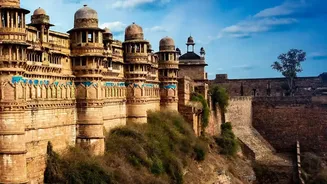
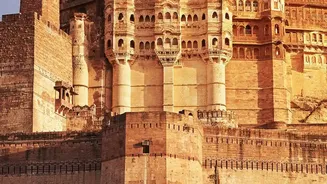
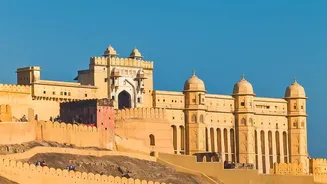
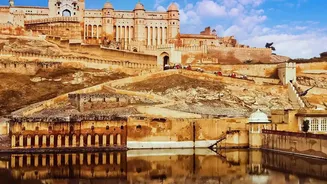
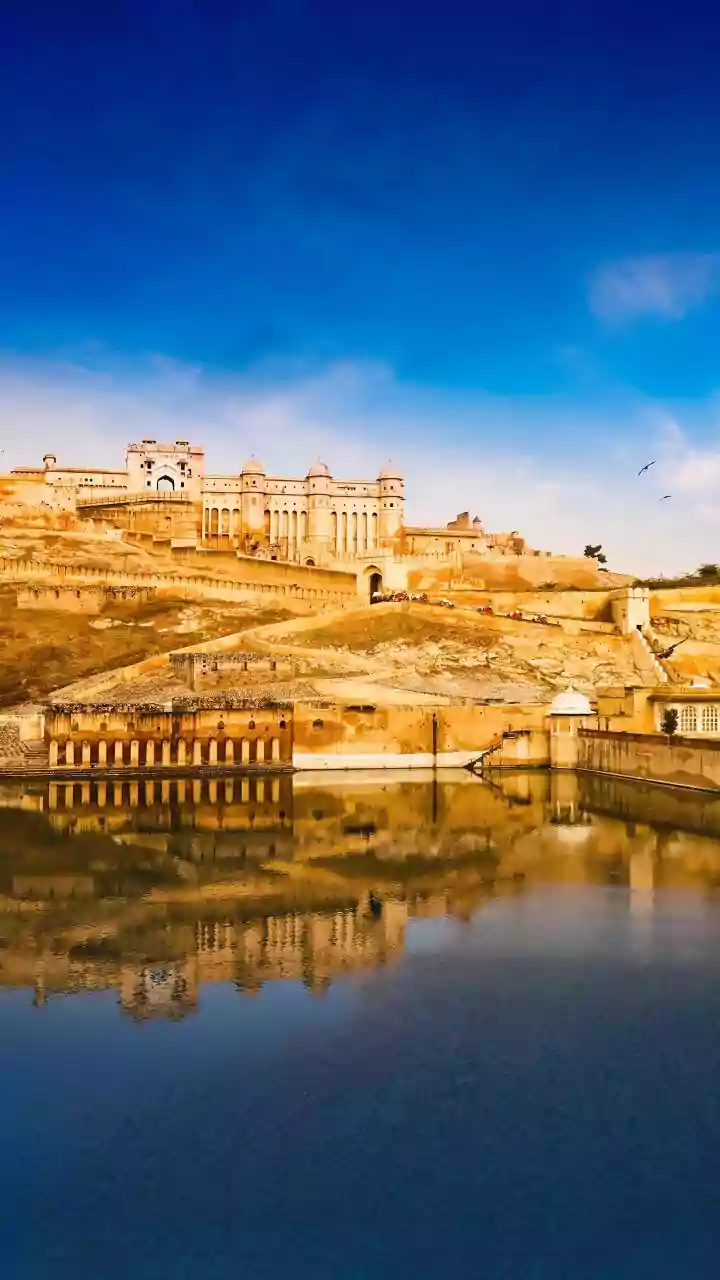
The true genius of a fort’s design lies in the details. While the sheer scale is impressive, the architecture tells a story of survival, strategy, and daily life. When you next visit a fort like Mehrangarh in Jodhpur or Amer in Jaipur, look closer. Notice
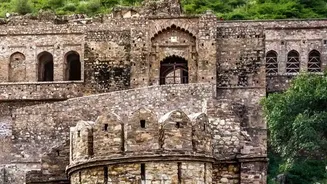
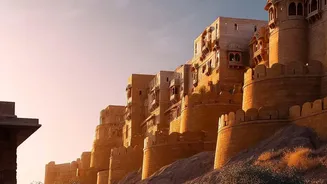
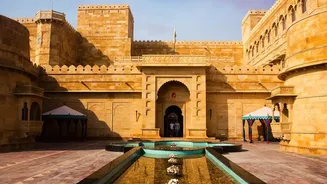
how the gates are built at sharp angles to slow down charging enemy elephants. Observe the series of walls and fortifications; many forts feature multiple layers of defence that created deadly zones for attackers. The architecture often reflects a blend of styles, such as the mix of Rajput and Mughal influences seen in the intricate mirror work (Sheesh Mahal) and expansive courtyards of Amer Fort. Look for the often-overlooked elements: sophisticated water management systems, hidden escape tunnels, and the delicate jali (latticed screens) that allowed royal women to observe court proceedings unseen. These features reveal that forts were not just military strongholds but also complex, living cities designed with incredible ingenuity. Even the materials used, from the iconic red sandstone of Agra Fort to local stone, tell a story about the region and the era.
Travel Through Time: Understanding the Context
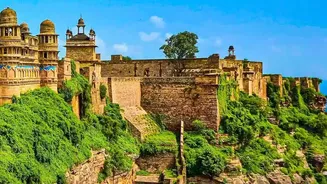
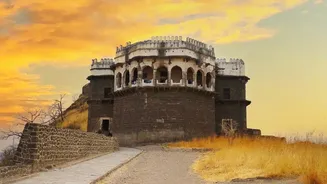
A fort without its stories is just a collection of old stones. To make your visit meaningful, spend a little time beforehand learning its history. Who built it and why? Was it the seat of a powerful dynasty like the Mughals at Agra Fort, or a strategic hill fortress for Maratha warriors like Raigad? Knowing the key figures, the major battles fought, and the cultural significance transforms your perspective. For instance, understanding that Mehrangarh Fort was founded by Rao Jodha in the 15th century but significantly expanded by his successors over 500 years helps you appreciate the different architectural layers you see today. Simple research on the ruling dynasty, be it the Rathores, Mughals, or Rajputs, will bring the courtyards, palaces, and temples to life. You’ll start to recognise symbols, understand the purpose of different structures, and feel a deeper connection to the people who once walked those very grounds. You don't need a history degree; a quick read of a blog, watching a short documentary, or even listening to a podcast on the way can provide enough context to turn a simple walk into a journey through time.
The Luxury of Time: Pacing Your Visit
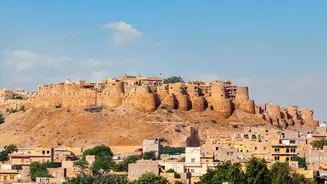
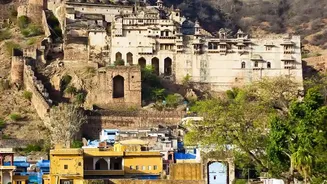
Many of India's forts are vast complexes spanning several acres, containing numerous palaces, temples, and halls. Trying to rush through them in an hour or two is a common mistake that leads to exhaustion and a superficial experience. The most overlooked but crucial element of a great fort visit is allocating enough time. Instead of ticking off a checklist of photo spots, give yourself a full morning or afternoon. This allows you to wander without a strict agenda, to find a quiet corner and simply absorb the atmosphere. Some of the most profound moments come not from a guided tour but from sitting in a jharokha (overhanging balcony) and imagining the centuries that have passed. If possible, hire a licensed local guide. Their stories and knowledge can reveal details you would otherwise miss. Visiting during off-peak hours, like early in the morning, can also help you avoid crowds and experience the fort's majesty in relative peace. Remember, these structures were designed to be lived in, not just seen. Give yourself the time to let their history and grandeur truly sink in.