

More Than a Dish, It's a Concept
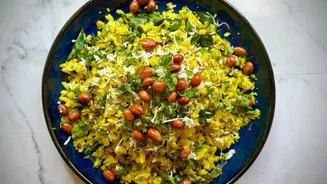
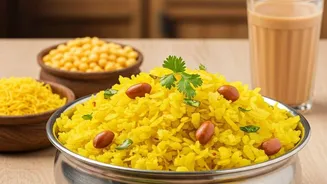
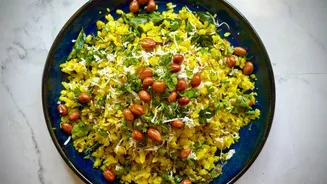
Across India, poha is a beloved breakfast, often sautéed with onions, spices, and sometimes vegetables. But in the lush Brahmaputra valley, flattened rice tells a different story. Here, it’s not about a single recipe but a versatile component of 'Jolpan',
the traditional Assamese breakfast or snack. Jolpan is a cornerstone of Assamese culinary identity, a meal that often requires no cooking at all. It revolves around various forms of rice, with 'Sira' (the Assamese term for flattened rice) being a star player. Instead of being stir-fried, it's typically washed or soaked and then combined with other simple, fresh ingredients, offering a meal that is both wholesome and deeply connected to the region's agricultural roots.
The Classic Pairing: Sira Doi Gur
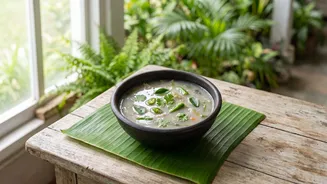
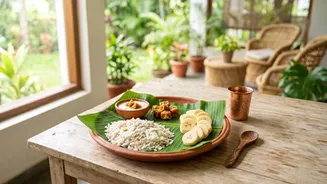
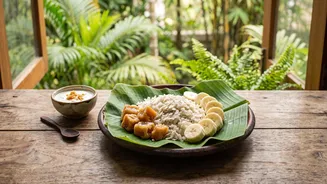
The most iconic Assamese breakfast is 'Sira Doi Gur'. The beauty of this dish lies in its elegant simplicity. It consists of just three main ingredients: 'Sira' (flattened rice), 'Doi' (curd or yogurt), and 'Gur' (jaggery). To prepare it, the Sira is first gently washed and soaked for a few minutes to soften. This makes the flakes tender and ready to absorb other flavours. It is then mixed with fresh curd and sweetened with jaggery, which can be either solid or a luscious liquid variant. Often served in traditional bell metal bowls known as 'baan bati', this combination creates a delightful contrast of textures and temperatures—the soft, chewy rice, the cool, creamy curd, and the earthy sweetness of jaggery. Sometimes, fresh cream is used instead of or alongside the curd for added richness.
A Spectrum of Rice Flakes
Not all Sira is created equal. The flattened rice used in Assam comes in various forms, each suited for different preparations. Some are made from regular white rice, while others utilize local varieties like 'Bora saul', a type of sticky rice that gives the flakes a unique texture. The thickness of the flakes also matters. Thicker, crunchier flakes might be preferred for certain Jolpan combinations, while delicate, thinner flakes soften almost instantly, ideal for a quick meal. There's even 'Kumol saul', a special 'instant' rice that softens after just a brief soak in water, embodying the convenience and ingenuity of traditional Assamese food practices. This diversity allows for a range of textures, from a soft, porridge-like consistency to a more substantial, chewy bowl.
A Festive Staple in Assamese Culture
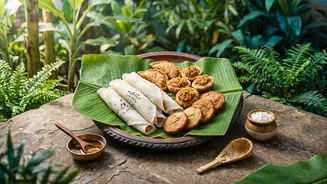
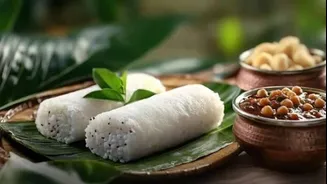
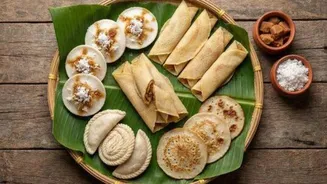
The significance of Sira goes far beyond the daily breakfast table. It is an indispensable part of Assamese festivals, particularly Bihu, the state's most important cultural celebration. During Magh Bihu (or Bhogali Bihu), which marks the end of the harvest season, Jolpan is served as part of the feasting. The granaries are full, and dishes like Sira Doi Gur symbolize abundance and gratitude. It’s a food that brings families and communities together, prepared and shared to celebrate the fruits of their labour. Beyond breakfast, Sira is also used to make various 'pithas' (traditional rice cakes), which are essential Bihu delicacies, further cementing its role as a versatile and cherished ingredient in Assamese culture.