







The Future of Travel is a Feeling
For years, travel planning has followed a familiar script: choose a destination, find a deal, book a flight, and follow an itinerary. But what if we started with a different question entirely: not 'where do you want to go?', but 'how do you want to feel?'.
This is the central idea behind 'mood-led travel', a major trend highlighted in Booking.com's 2027 travel predictions. The report, based on a survey of over 28,000 travellers worldwide, including from India, found that a massive 81% would rather pick a vacation based on the feeling they're after than a specific location. This represents a fundamental shift from sightseeing to 'soul-seeing', where the goal of a trip is to achieve a certain emotional state—be it relaxation, excitement, connection, or quiet contemplation.
What is Mood-Led Travel, Exactly?
Imagine feeling burnt out from work and instead of searching for 'beach holidays in Goa', you search for 'a trip to feel rejuvenated'. Or after a long year, you seek 'a trip that feels adventurous and celebratory'. This is mood-led travel in action. It’s about prioritising the emotional outcome of your journey. The destination becomes secondary to the experience it can provide. According to Booking.com's research, three-quarters of travellers (76%) said they would be open to using a search tool that recommends destinations based on their mood. This suggests people are increasingly looking for travel to be a form of therapy or self-expression, a way to consciously shape their emotional wellbeing. The trend also includes what the report calls the 'Plot Twist Trip', where 77% of travellers are interested in doing something completely out of character on vacation, deliberately seeking novelty and surprise.
Enter Your AI Travel Concierge
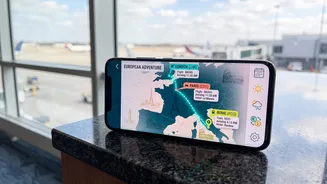
The second major trend, AI-assisted travel, is the technology that will power this new emotional approach. Forgetting the clunky chatbots of the past, the AI of 2027 is envisioned as a deeply integrated and intuitive travel planner. These AI tools will move beyond simple booking to become true digital concierges. They will learn your preferences, understand your budget, and help you discover new destinations you might not have considered. Instead of you spending hours scrolling through different websites, an AI assistant can generate personalised itineraries, compare flight options based on your priorities (like a direct flight over the cheapest one), and even help manage your travel budget. The Booking.com report also found that many travellers are ready for this, with a significant number interested in using AI not just for planning, but even to cover their work tasks while away to truly disconnect.
How AI and Mood Will Work Together
This is where the two trends converge to create a hyper-personalised travel experience. In the near future, your AI travel planner could have access—with your permission, of course—to data that helps it understand your state of mind. The report notes that a high percentage of Gen Z travellers would be willing to share data from their phones or wearables to get a more personalised trip. Your AI could notice you've been working long hours and seem stressed, and proactively suggest a quiet wellness retreat in the hills of Kerala. It could analyse your listening history, see you're into upbeat music, and recommend a vibrant city break in Mumbai or a music festival abroad. The AI's job will be to connect your desired 'vibe' with a real-world place and a plan to get you there, essentially acting as an emotionally intelligent matchmaker between you and your next holiday.
What This Means for Indian Travellers
For the Indian traveller, this evolution opens up exciting new possibilities. It encourages a deeper look at the incredible diversity of experiences within the country. Instead of just a family trip to Shimla, it could be a quest for 'tranquility' in the lesser-known valleys of Himachal Pradesh or a search for 'connection' on a spiritual journey to Rishikesh. The focus on experience-led travel is already growing in India, with travellers looking beyond conventional hotels to stays that offer a real connection with local culture and food. As travel becomes more about personal expression, these AI-powered, mood-led trips will allow people to explore both the world and themselves in a more meaningful way, crafting journeys that are not just about the places they've been, but the person they became while they were there.