







The Creamy Yoghurt Base
The foundation of this nourishing bowl is thick, creamy yoghurt. For the best texture and taste, use full-cream curd or Greek yoghurt. Ensure it’s fresh and hasn't turned too sour. Whisk it well in a bowl until it's smooth and has a consistent, velvety
texture. This process aerates the yoghurt, making it lighter and more enjoyable. If your fast allows, you can use dairy products like milk, paneer, and curd. A well-prepared yoghurt base not only provides a cooling effect but also delivers a healthy dose of protein and probiotics, which can be especially beneficial when your digestive system is adapting to a fasting diet. For a richer consistency, you can hang the curd in a muslin cloth for about 30 minutes to drain excess whey, resulting in a thicker, creamier base akin to 'chakka'.
A Medley of Permitted Fruits
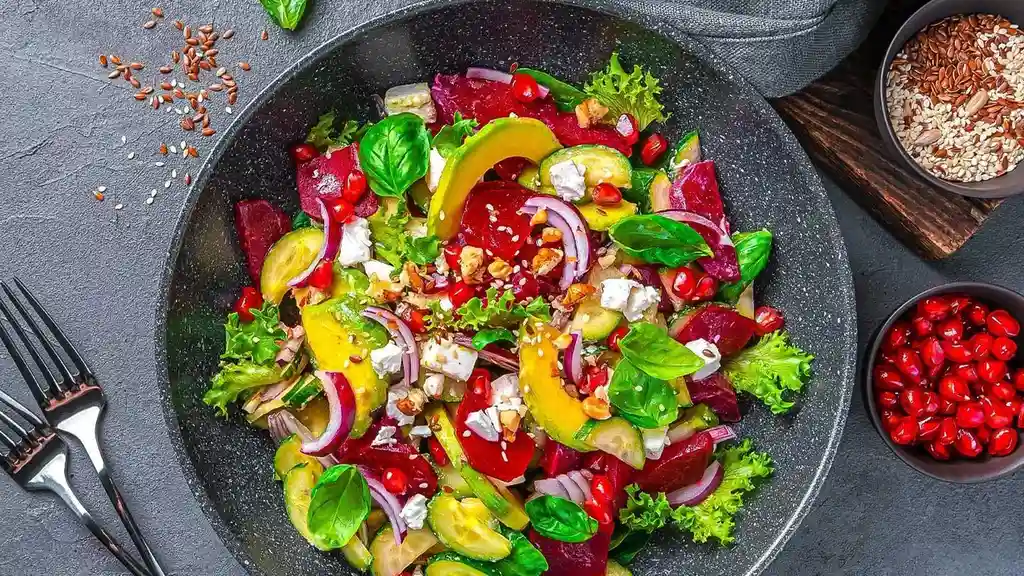
The beauty of this vrat bowl lies in its versatility, which comes from the fruits. During fasts like Navratri, all fresh fruits are generally encouraged. A vibrant mix of chopped apples, bananas, pomegranate arils, and grapes provides a wonderful combination of flavours and textures. You can also include seasonal delights like mango, melon, or berries. Apples add a lovely crunch, bananas offer creaminess and energy, while pomegranate seeds give a juicy, jewel-like burst of tartness. It's best to chop the fruits just before assembling the bowl to keep them fresh and prevent them from becoming watery, especially bananas which tend to brown quickly. This colourful assortment not only makes the bowl visually appealing but also packs it with essential vitamins and fibre to keep you feeling full and energised.
A Gentle Touch of Vrat-Friendly Spices
Spices are what elevate this simple bowl from a basic fruit salad to a flavourful vrat delicacy. However, not all spices are used during religious fasts. The most commonly permitted salt is rock salt, or sendha namak. For flavour, you can turn to a range of mild spices. A pinch of roasted cumin powder (jeera) adds a warm, earthy aroma. Black pepper powder provides a gentle heat, while a hint of cinnamon or green cardamom powder can introduce a subtle sweetness and fragrance. These spices are considered Sattvic—light and pure—making them suitable for a fasting diet. Avoid stronger spices like turmeric, asafoetida (hing), and garam masala, which are generally not consumed during vrat. The right spices add complexity without overwhelming the natural taste of the fruits and yoghurt.
Adding Sweetness and Crunch
While the fruits provide natural sweetness, you might desire a little more. A drizzle of honey is a popular choice and is generally permissible during fasts. You can adjust the amount based on the sweetness of your fruits. For crunch and added nutrients, roasted nuts are an excellent addition. Chopped almonds, walnuts, or cashews can be folded into the bowl. Some traditions also include makhana (fox nuts), which can be lightly roasted until crisp and added for a delightful texture contrast. These additions not only enhance the flavour but also contribute healthy fats and protein, making the bowl more substantial and satiating. Just be sure that the specific nuts and sweeteners you choose align with your family's fasting customs.
Bringing It All Together
Assembling your vrat bowl is the easiest part. Start with your whisked yoghurt in a serving bowl. Gently fold in your chopped fruits, nuts, and any sweeteners you're using. Sprinkle the vrat-friendly spices like roasted cumin powder and a pinch of rock salt, then give it a final, gentle toss to combine everything without mashing the fruits. For the best experience, serve it chilled. You can garnish with a few extra pomegranate seeds, a mint leaf, or some slivered pistachios. The result is a beautiful, multi-textured dish that is cool, creamy, crunchy, sweet, and savoury all at once—a perfect, no-cook meal to keep you refreshed and content during your fast.