





What is the Kanda Express?
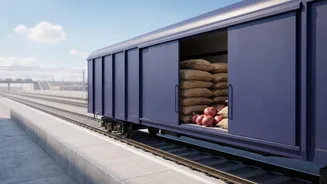
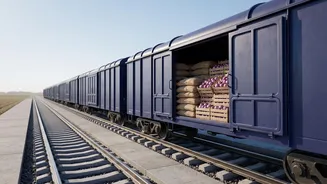
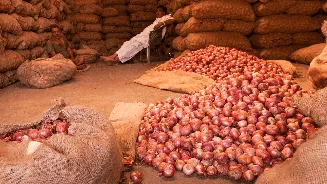
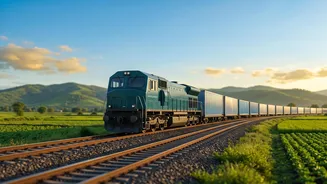
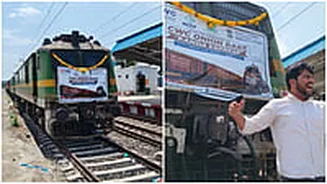
The 'Kanda Express' is a government initiative using dedicated railway rakes to transport large quantities of onions from production hubs to major cities facing price pressures. By moving bulk stocks efficiently, the goal is to increase supply in wholesale
markets, or mandis, and put downward pressure on soaring rates. The first dispatches of the season have already left from Lasalgaon in Nashik, a major onion trading centre, carrying hundreds of tonnes of onions to cities like Delhi, Chennai, Guwahati, and Kochi. This rail-based approach is part of a broader hybrid logistics model that also includes trucks to ensure a swift and targeted release of onions where they are needed most. The initiative, first launched in 2024, has been significantly scaled up, demonstrating the government's reliance on it as a key logistical tool for market intervention.
The Perennial Onion Problem
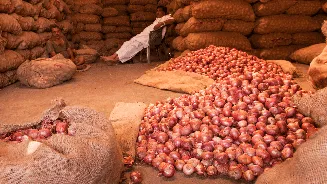
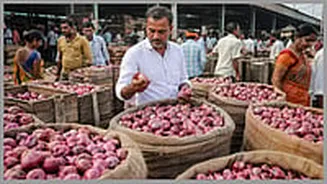
Onion prices in India are notoriously volatile, often causing widespread consumer distress and becoming a political flashpoint. This volatility stems from a combination of factors. The onion crop is seasonal, and its harvest can be affected by erratic weather, such as uneven monsoon distribution. Furthermore, inadequate storage infrastructure leads to significant post-harvest losses, creating supply gaps between harvest seasons. These supply chain bottlenecks, coupled with periods of high demand, especially during India’s extensive festive and wedding season, create the perfect storm for sharp price spikes. In recent weeks, average wholesale prices have surged, more than doubling in some cases compared to the previous year, prompting the government's latest round of interventions.
More Than Just a Train
The Kanda Express is the most visible part of a larger, multi-pronged strategy to manage onion prices. The backbone of this response is the Price Stabilization Fund (PSF), a buffer stock of onions procured by government agencies like NAFED and NCCF during harvest time. The government has set a procurement target of 2 lakh tonnes for 2026-27 and has already sourced over half of it. It is this buffer stock that is being released into the market. In addition to large-scale transport, the government is also directly intervening at the retail level. In cities like Delhi, onions from the buffer stock are being sold at a subsidized rate of ₹35 per kilogram through mobile vans and outlets of NAFED, NCCF, Kendriya Bhandar, and Safal. Officials have confirmed that while they are actively intervening in the market, they have ruled out imposing export curbs for now, citing comfortable overall domestic production estimates.
Will These Measures Be Enough?
The government's strategy is designed to provide immediate relief to consumers by boosting supply and cooling down overheated markets. By directly targeting major consumption centres, the Kanda Express and retail sales aim to break the cycle of hoarding and speculative price increases. However, while these interventions can manage short-term crises, experts agree that a long-term solution requires addressing the structural flaws in the onion supply chain. This includes investing in modern, scientific storage facilities to reduce wastage, providing farmers with better price information and support, and improving the efficiency of farm-to-market logistics year-round. While the government insists that overall production is stable and supplies are adequate, the success of these measures will depend on their sustained and timely execution throughout the upcoming high-demand festive period.